




Modeling and Characterization of Broadband Earth-Moon-Earth Communication Channels
-
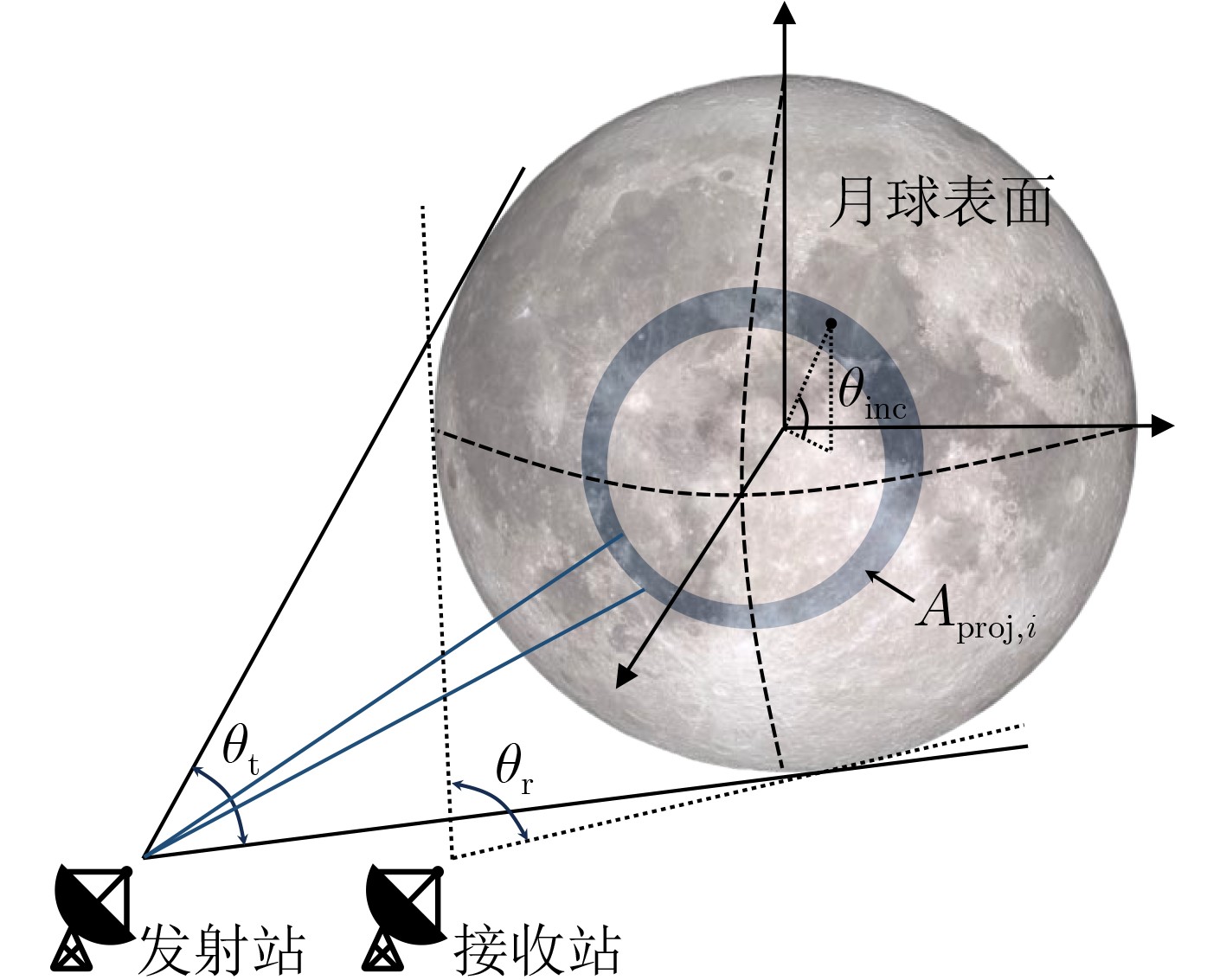
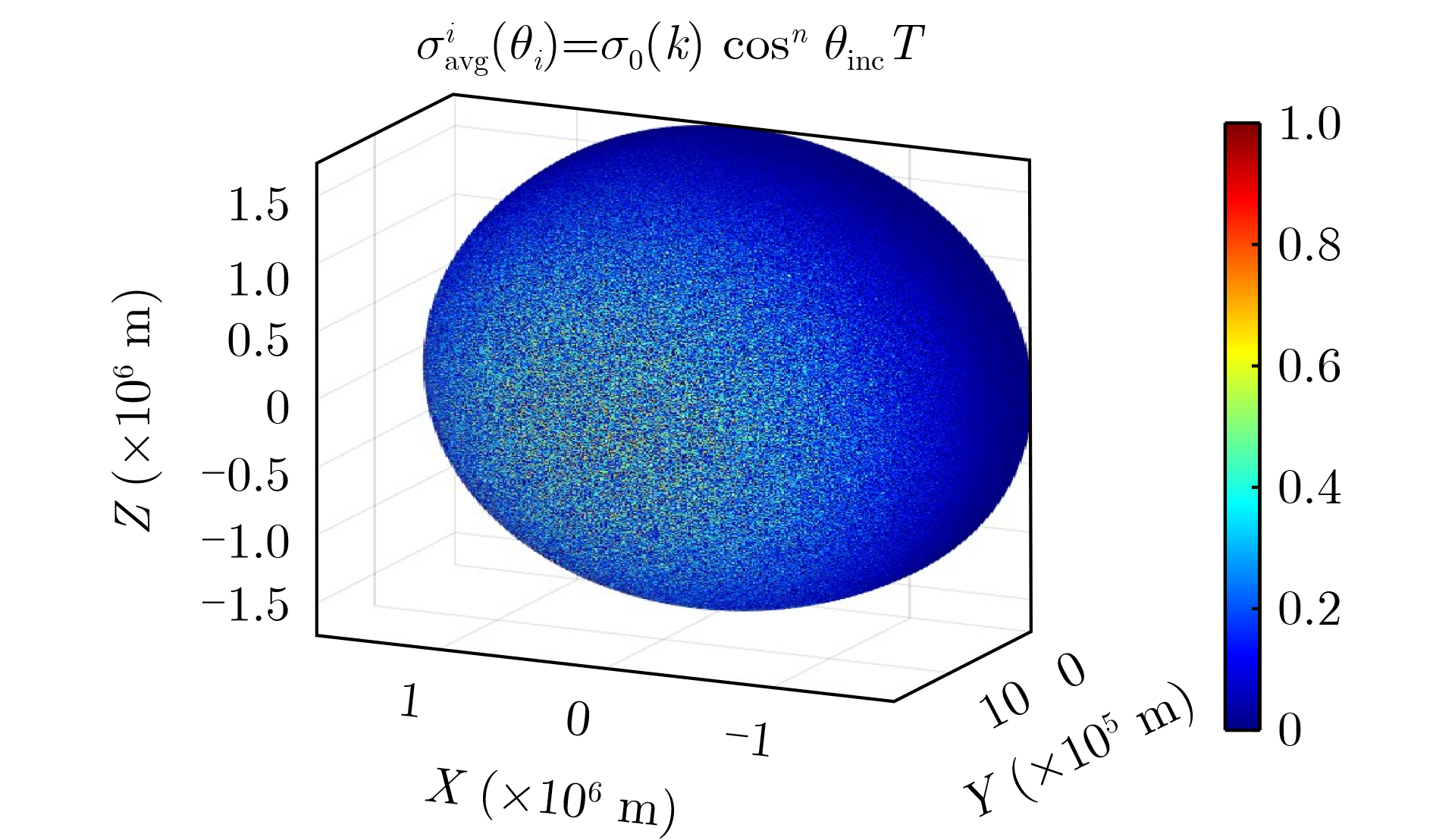
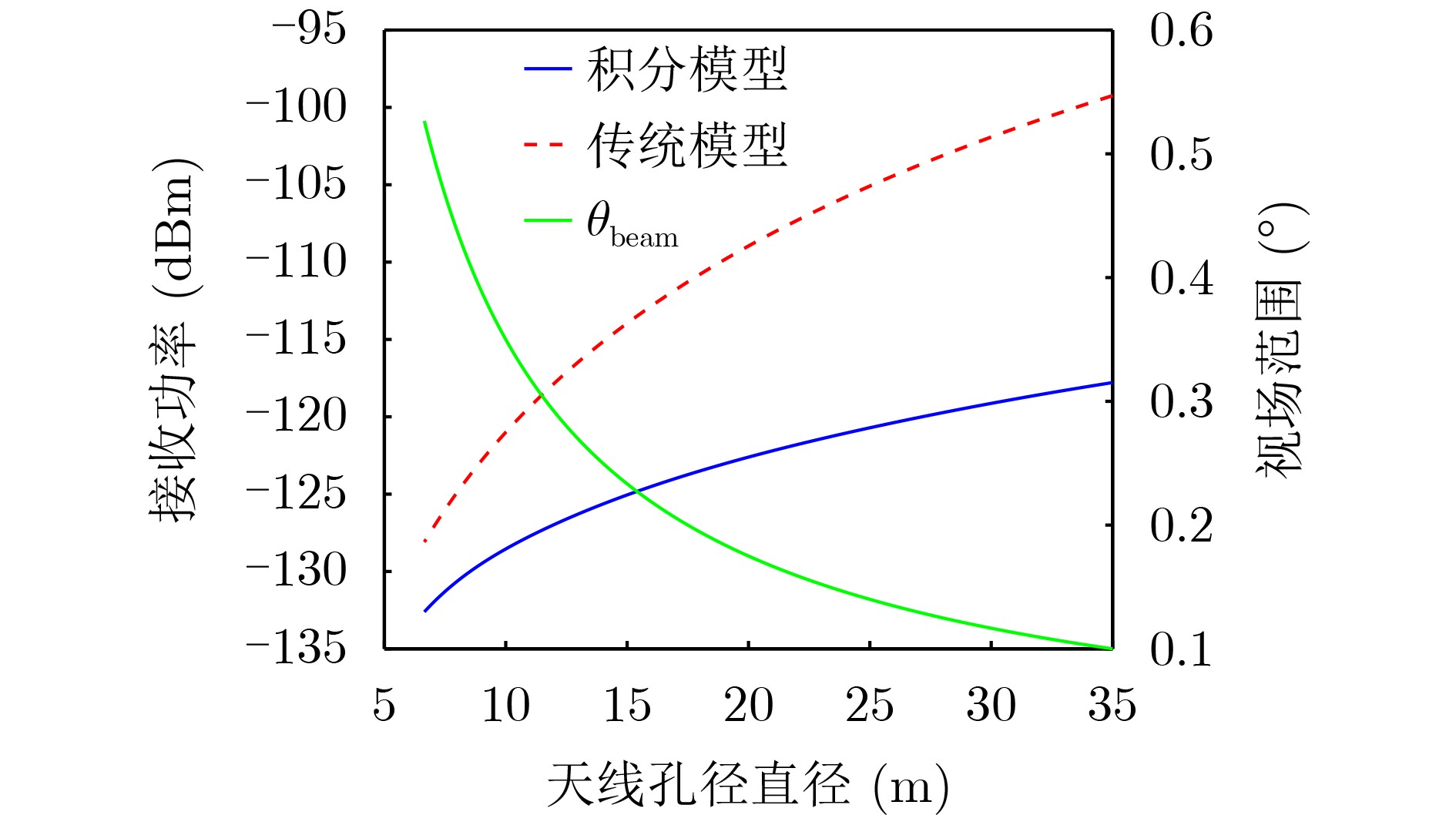
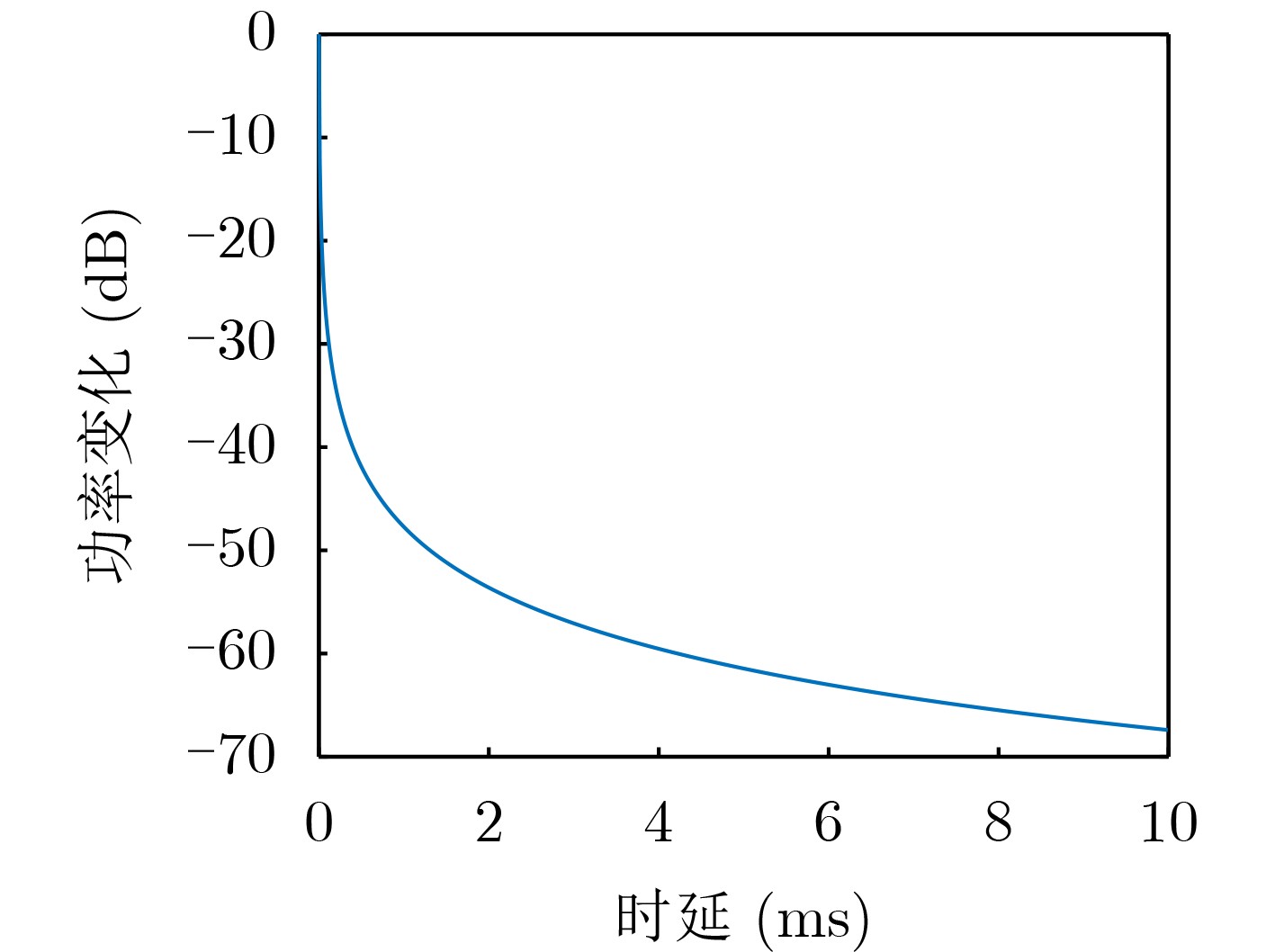
摘要: 地月地(Earth-Moon-Earth, EME)通信长期以来是业余无线电爱好者开展远程通信实验的重要方式。传统EME通信系统多以低速率、窄带体制为主,主要用于摩尔斯电码、单边带语音或窄带数字通信模式(如JT65、FT8等)。这类系统在频谱利用率和数据传输速率方面存在明显限制,难以满足更高传输速率和宽带通信的需求。该文面向更高速率的宽带场景,从大尺度衰落与小尺度衰落两个层面提出了一种较为完整的宽带EME信道模型。大尺度衰落方面,基于双站雷达理论,建立了适用于不同波束宽度和高增益天线条件下的雷达散射截面分布(RCS),并提出路径损耗的统一积分模型;同时,结合月球表面不规则地形特征分析了阴影效应的形成机制,并由此提出EME信道的阴影衰落模型。小尺度衰落方面,针对宽带系统中显著的时延扩展问题,结合月面散射特性,提出了融合准镜面反射与漫散射效应的分段式多径模型;同时进一步考虑地月轨道运动,系统构建了多普勒频移与扩展模型。数值分析表明,相比于传统路径损耗建模,所提路径损耗统一积分模型能够更加准确刻画窄波束引起的对月照射面积缩减及月表地形分布对链路损失的影响。仿真结果显示,宽带场景下存在的严重多径扩展导致现有均衡方案几乎失效,严重制约通信性能。相比之下,多普勒效应变化缓慢、扩展较小,现有校正算法能够有效补偿其影响,对通信性能的制约相对较弱。Abstract:
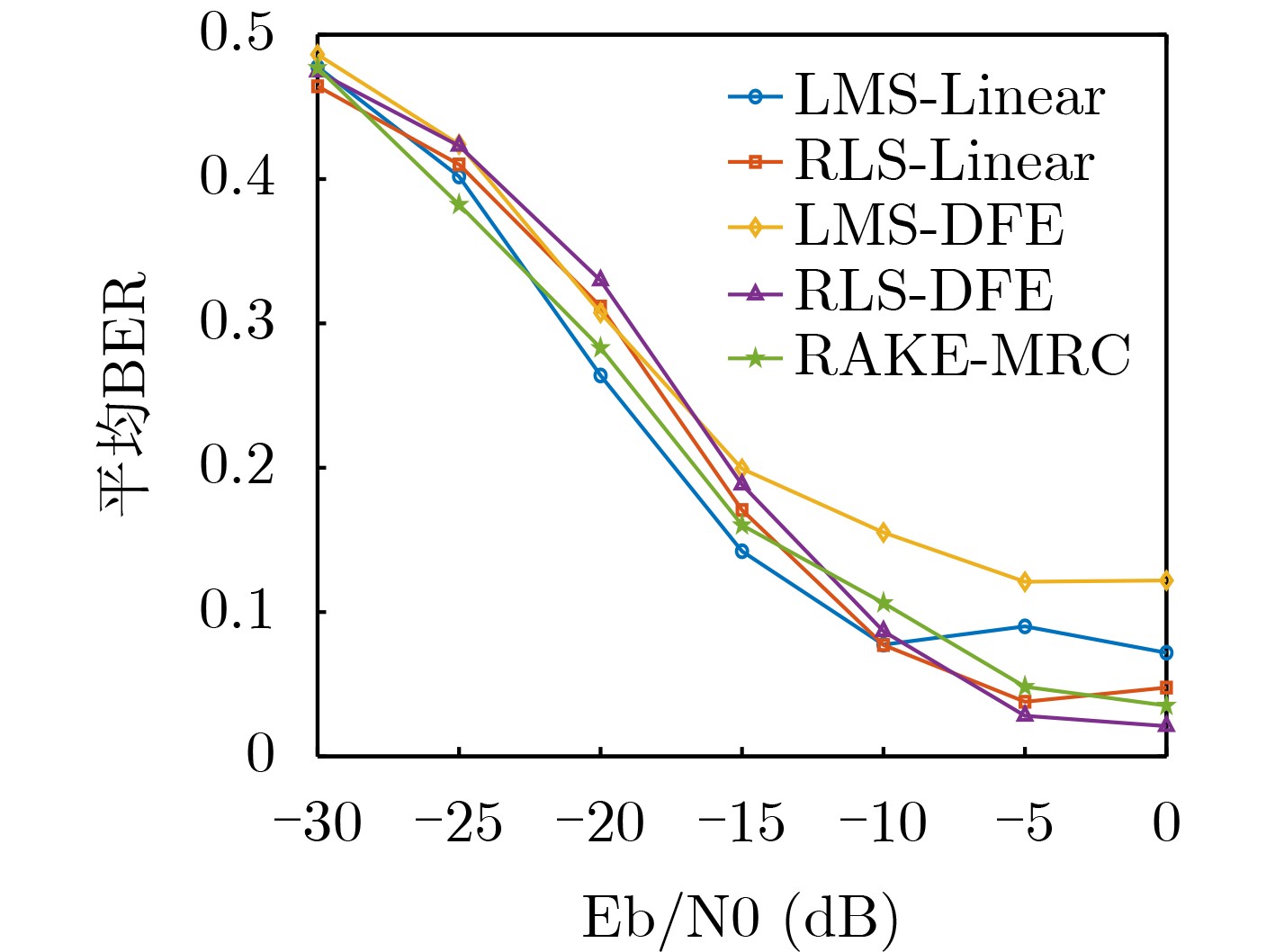
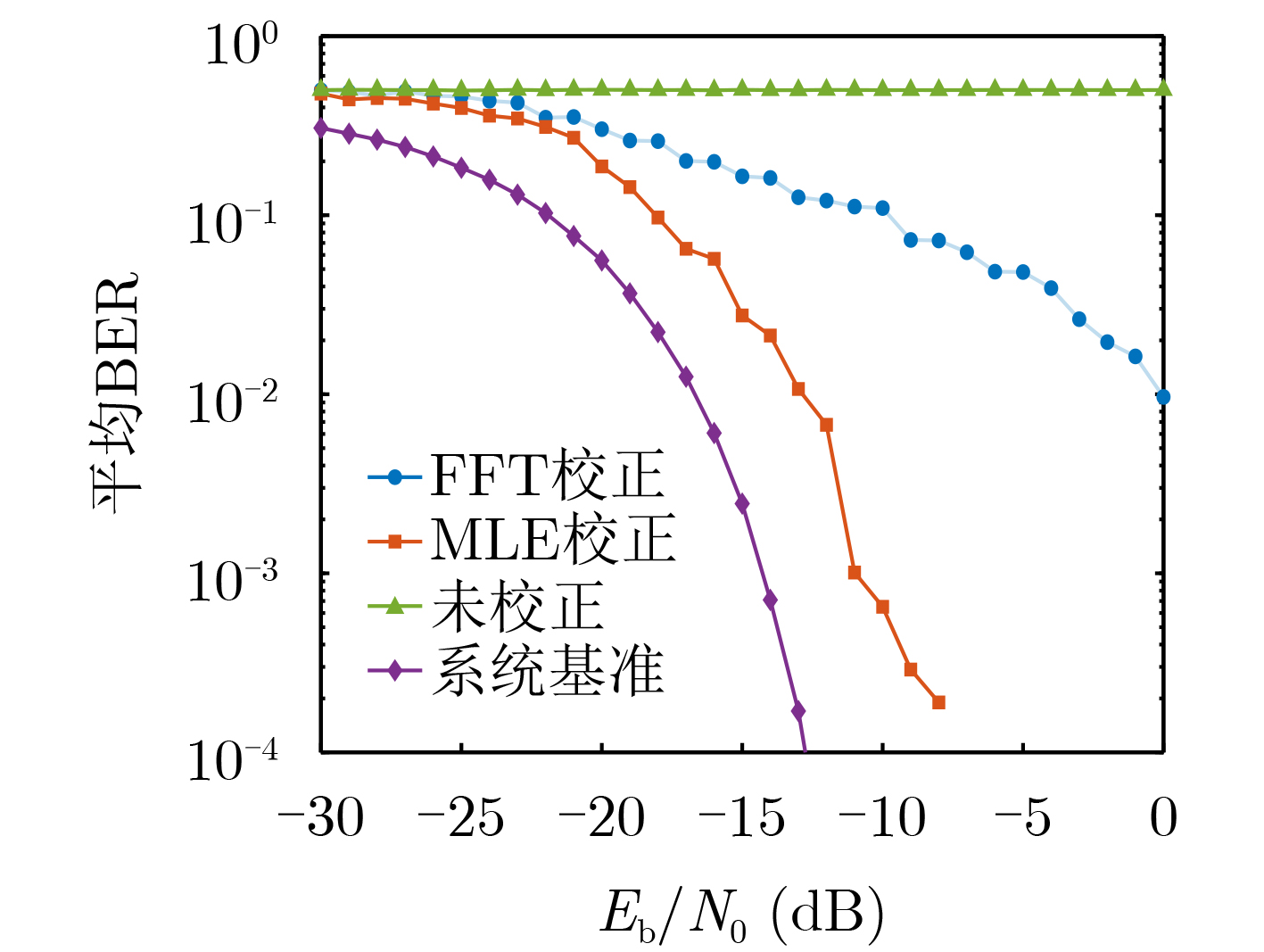
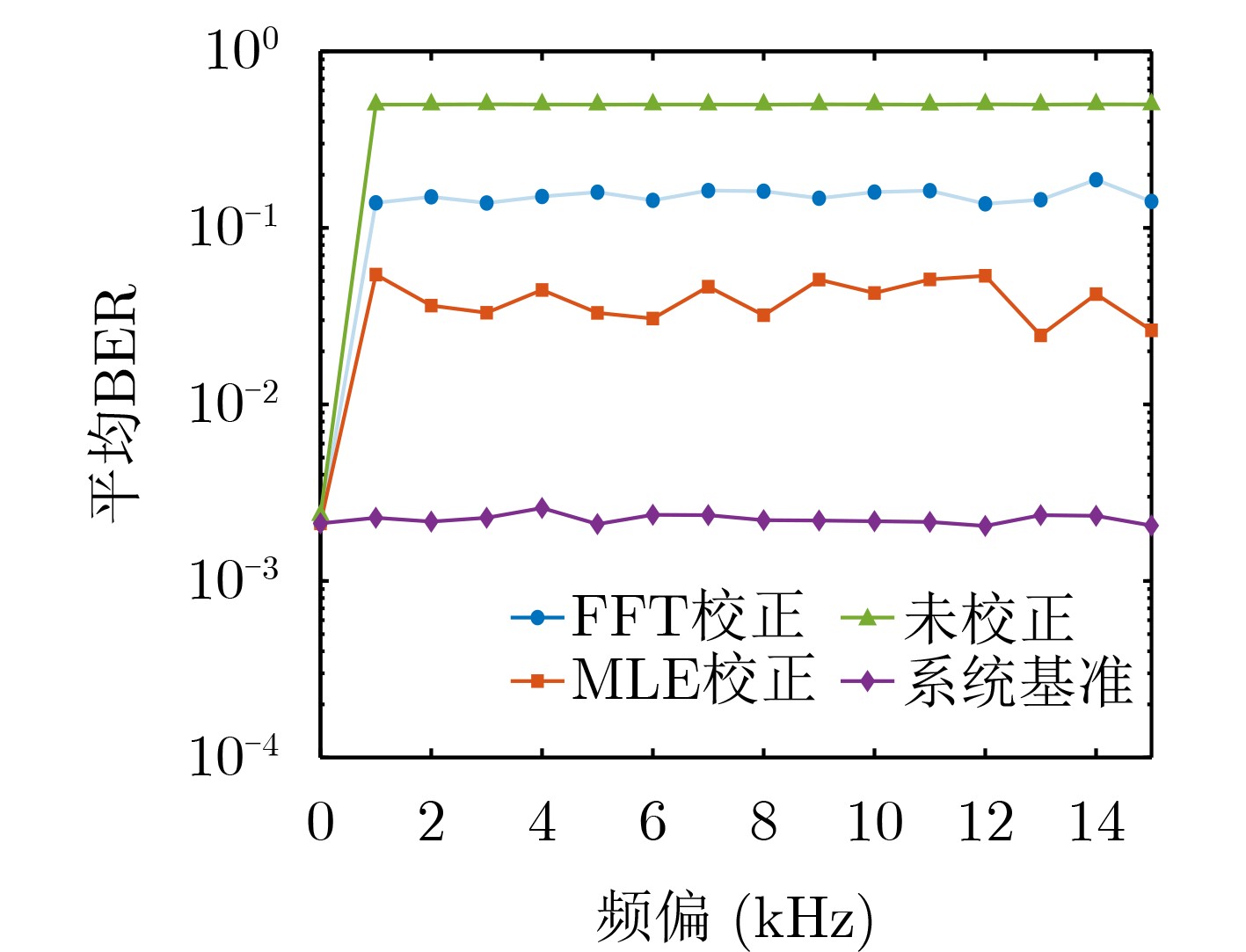
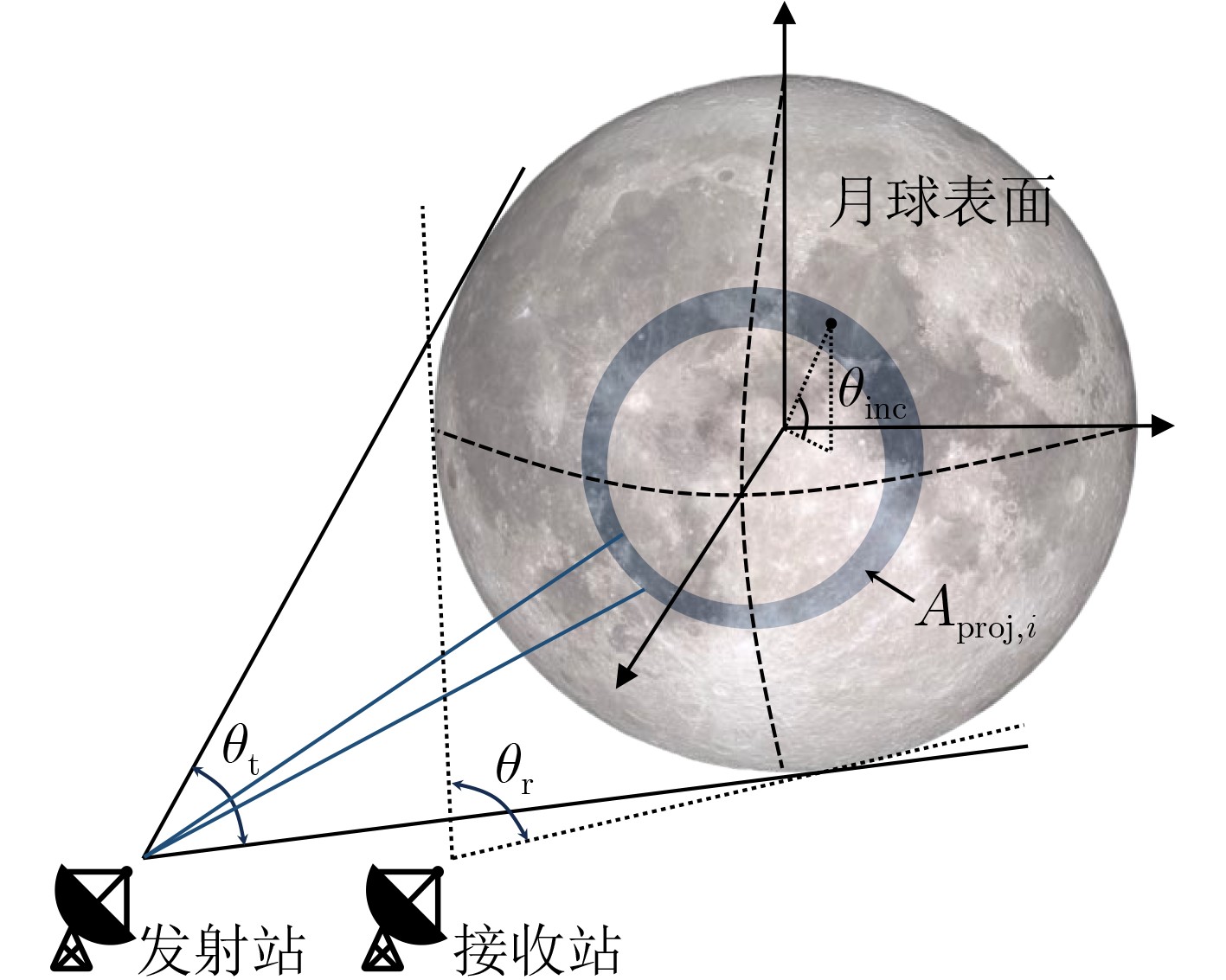
Objective This paper presents a comprehensive channel model for broadband Earth-Moon-Earth (EME) communication. The model addresses the limitations of traditional simplified models, which cannot accurately describe the Moon’s complex scattering behavior, terrain-induced scattering, or shadowing effects. Existing approaches usually treat the Moon as a point reflector or rely on empirical scattering laws. These methods are insufficient for broadband, high-capacity EME systems. To address these limitations, a unified large-scale fading model is proposed to statistically characterize lunar terrain-induced reflection and shadowing. A small-scale fading model is also developed to analyze multipath propagation and Doppler effects, decompose the channel, and quantify dynamic impairments. Link-level simulations are conducted to validate the model. This study helps close a gap in broadband EME channel modeling and provides a basis for designing and optimizing future deep-space communication systems. Methods A dual-scale modeling framework is proposed for broadband EME channels. At the large scale, a unified integral path-loss model is developed for both wide-beam and narrow-beam scenarios. Lunar terrain is statistically represented by a Gaussian height distribution to describe shadowing and roughness effects. A distributed integral formulation is used to calculate the effective Radar Cross Section (RCS) under narrow-beam conditions. At the small scale, the channel is decomposed into quasi-specular reflection and diffuse scattering components. The corresponding delay-power profiles are derived from surface roughness and lunar scattering mechanisms. Doppler shift and Doppler spread are analytically modeled according to Earth-Moon orbital motion. Monte Carlo simulations and numerical integration are used to verify the models. System-level performance is evaluated by the Bit Error Rate (BER) under different channel conditions, equalization schemes, and frequency-offset correction methods. Results and Discussions The proposed channel model captures both large-scale fading and small-scale fading in broadband EME communication. Simulation results show that the large-scale fading model represents the non-uniform power distribution across the lunar disk through an RCS-based integral model. In large-aperture antenna scenarios, the received-power correction approaches 20 dB compared with the traditional average model. At the small scale, quasi-specular reflection and diffuse scattering characterize the multipath delay spread caused by lunar surface reflection. The Doppler model quantifies the effects of Earth’s rotation and lunar orbital motion. At 1.296 GHz, the maximum two-way Doppler shift is approximately 4.5 kHz, and the two-way Doppler spread ranges from –39.88 Hz to 39.88 Hz. Simulations under low Signal-to-Noise Ratio (SNR) conditions show that conventional equalization schemes, including Least Mean Squares (LMS), Recursive Least Squares (RLS), and RAKE receiver with Maximum-Ratio Combining (RAKE-MRC), stagnate near BER = 0.1. Frequency-offset correction methods, including Fast Fourier Transform (FFT)-based estimation and Maximum Likelihood Estimation (MLE), also degrade under large frequency offsets. These results show that severe multipath delay spread is a major bottleneck in broadband EME communication. Conclusions This paper develops and validates a comprehensive channel model for broadband EME communication. Compared with conventional point-target and empirical methods, the proposed model describes path loss, shadowing, multipath delay spread, and Doppler effects more accurately. The results show that lunar terrain and surface scattering produce severe multipath delay spread, which greatly limits the performance of traditional equalization methods. By contrast, Doppler variation in the EME link is relatively slow, and Doppler spread is limited. Existing MLE-based frequency-offset correction can effectively compensate for this effect. Future work should explore adaptive receiver strategies, including machine learning and joint compensation, to address the severe delay spread caused by complex lunar reflection channels. This model provides a foundation for reliable EME links and future deep-space communication networks. -
Key words:
- Earth-Moon-Earth communication /
- Path loss /
- Radar cross section /
- Multipath channel /
- Doppler effect
-
[1] KATZ A and FRANCO M. Targeting the moon[J]. IEEE Microwave Magazine, 2011, 12(4): 62–73. doi: 10.1109/MMM.2011.940592. [2] 苏昭阳, 刘留, 艾渤, 等. 面向低轨卫星的星地信道模型综述[J]. 电子与信息学报, 2024, 46(5): 1684–1702. doi: 10.11999/JEIT230941.SU Zhaoyang, LIU Liu, AI Bo, et al. Survey of satellite-ground channel models for low earth orbit satellites[J]. Journal of Electronics & Information Technology, 2024, 46(5): 1684–1702. doi: 10.11999/JEIT230941. [3] TAYLOR J and K1JT. The JT65 communications protocol[R]. QEX, 2005, 3–12. [4] TAYLOR J H. FT8 DXpedition mode user guide[J]. QEX Commun Quart Experiment, 2003, 1: 3–12. [5] DEWITT J H. Project Diana: US Army Signal Corps moon bounce experiments[J]. Proc. IRE, 1949, 37(1): 5–10. [6] MATTILA M, VE7CMK, and HAYNES T. Project moonbounce earth-moon-earth station VA7MM[EB/OL]. https://www.qsl.net/va7mm/. [7] DEWITT J H and STODOLA E K. Detection of radio signals reflected from the moon[J]. Proceedings of the IRE, 1949, 37(3): 229–242. doi: 10.1109/JRPROC.1949.231276. [8] EVANS J V. The scattering of radio waves by the moon[J]. Proceedings of the Physical Society. Section B, 70(12): 1105–1112. doi: 10.1088/0370-1301/70/12/301. [9] EVANS J V and PETTENGILL G H. The scattering behavior of the Moon at wavelengths of 3.6, 68, and 784 centimeters[J]. Journal of Geophysical Research, 1963, 68(2): 423–447. doi: 10.1029/JZ068i002p00423. [10] FA Wenzhe, WIECZOREK M A, and HEGGY E. Modeling polarimetric radar scattering from the lunar surface: Study on the effect of physical properties of the regolith layer[J]. Journal of Geophysical Research: Planets, 2011, 116(E3): E03005. doi: 10.1029/2010JE003649. [11] ZHANG Guangwei, DING Zegang, WEI Yi, et al. An earth-based radar high resolution imaging technology of the moon based on sub-aperture delay Doppler algorithm[J]. IET International Radar Conference, 2023, 2023(47): 4151–4155. doi: 10.1049/icp.2024.1780. [12] EVANS J V. VI Session: RADAR OBSERVATIONS OF THE MOON radar studies of the moon[EB/OL]. https://nvlpubs.nist.gov/nistpubs/jres/69D/jresv69Dn12p1637_A1b.pdf, 2025. [13] AKASAKA A, LU Feng, YAMAGUCHI A, et al. Measurements of diffraction of lunar regolith for radio propagation analysis[C]. Proceedings of the 2024 IEEE Aerospace Conference, Big Sky, MT, USA, 2024: 1–7. doi: 10.1109/AERO58975.2024.10521095. [14] 刘樯漪, 程维明, 阎广建, 等. 月表高程分布特征及其分级标准初探[J]. 地理学报, 2022, 77(1): 106–119. doi: 10.11821/dlxb202201008.LIU Qiangyi, CHENG Weiming, YAN Guangjian, et al. Distribution characteristics and classification schemes of lunar surface elevation[J]. Acta Geographica Sinica, 2022, 77(1): 106–119. doi: 10.11821/dlxb202201008. [15] THOMPSON T W, CAMPBELL B A, BUSSEY D B J, et al. 50 years of Arecibo lunar radar mapping[J]. Radio Science Bulletin, 2016, 2016(357): 23–35. doi: 10.23919/URSIRSB.2016.7909801. [16] PANDEY D, NARAYAN P, and SHRIVASTAVA A K. Radio technology for moonbounce[J]. International Journal of Advanced Research in Computer Science and Software Engineering, 2014, 4(3): 1463–1466. [17] BROWN JR W E. A lunar and planetary echo theory[J]. Journal of Geophysical Research, 1960, 65(10): 3087–3095. doi: 10.1029/JZ065i010p03087. [18] 廖希, 陈心睿, 王洋, 等. 面向B5G毫米波40~50 GHz通信的漫散射传播与去极化建模[J]. 电子与信息学报, 2024, 46(6): 2425–2433. doi: 10.11999/JEIT230706.LIAO Xi, CHEN Xinrui, WANG Yang, et al. Diffuse scattering propagation and depolarization modeling for B5G millimeter-wave communications at 40~50 GHz[J]. Journal of Electronics & Information Technology, 2024, 46(6): 2425–2433. doi: 10.11999/JEIT230706. [19] 魏二虎, 谢辉, 罗一乐, 等. 月球天平动参数的变化频谱及其稳定性分析[J]. 测绘地理信息, 2025, 50(3): 1–8. doi: 10.14188/j.2095-6045.20240603.WEI Erhu, XIE Hui, LUO Yile, et al. Variation spectrum and stability analysis of lunar libration parameters[J]. Journal of Geomatics, 2025, 50(3): 1–8. doi: 10.14188/j.2095-6045.20240603. [20] 董鹏宇, 向新, 王鹏, 等. 多径信道下最佳接收机研究[J]. 空军工程大学学报, 2025, 26(4): 68–74. doi: 10.3969/j.issn.2097-1915.2025.04.008.DONG Pengyu, XIANG Xin, WANG Peng, et al. Research on optimal receivers in multipath channels[J]. Journal of Air Force Engineering University, 2025, 26(4): 68–74. doi: 10.3969/j.issn.2097-1915.2025.04.008. [21] 郭泽飞, 李杭州, 李潇, 等. 复杂无线信道环境下的频谱感知技术研究[J]. 无线电工程, 2025, 55(10): 2047–2059. doi: 10.3969/j.issn.1003-3106.2025.10.011.GUO Zefei, LI Hangzhou, LI Xiao, et al. Research on spectrum sensing technology in complex wireless channel environments[J]. Radio Engineering, 2025, 55(10): 2047–2059. doi: 10.3969/j.issn.1003-3106.2025.10.011. -

 下载:
下载:

图(7) / 表(1)
计量
- 文章访问数: 744
- HTML全文浏览量: 441
- PDF下载量: 53
- 被引次数: 0
