Advanced Search
Turn off MathJax
Article Contents
TAO Jing, HOU Meng, PENG Wei, ZHANG Guoyan, DAI Jiaming, LIU Weiming, WANG Haidong, WANG Zhen. A multi-step channel prediction method based on pseudo-3D convolutional neural network with attention mechanism[J]. Journal of Electronics & Information Technology. doi: 10.11999/JEIT251090
Citation: TAO Jing, HOU Meng, PENG Wei, ZHANG Guoyan, DAI Jiaming, LIU Weiming, WANG Haidong, WANG Zhen. A multi-step channel prediction method based on pseudo-3D convolutional neural network with attention mechanism[J]. Journal of Electronics & Information Technology. doi: 10.11999/JEIT251090

A multi-step channel prediction method based on pseudo-3D convolutional neural network with attention mechanism

doi: 10.11999/JEIT251090 cstr: 32379.14.JEIT251090
Funds:  The State Grid Corporation of China Headquarters Science and Technology Project (1400-202455422A-3-5-YS)
  • Accepted Date: 2025-12-02
  • Rev Recd Date: 2025-12-02
  • Available Online: 2025-12-09
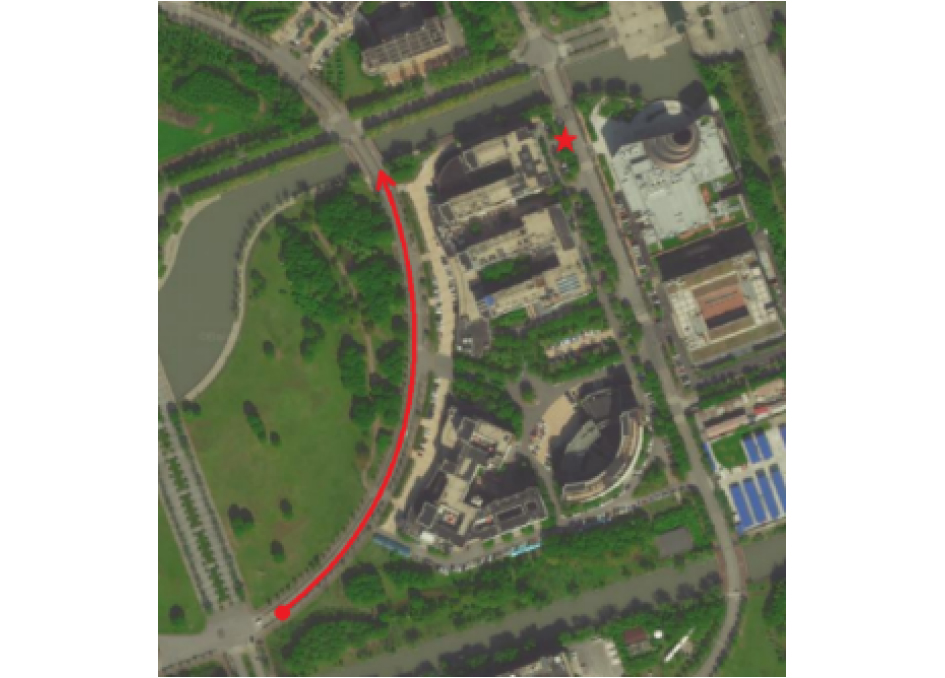
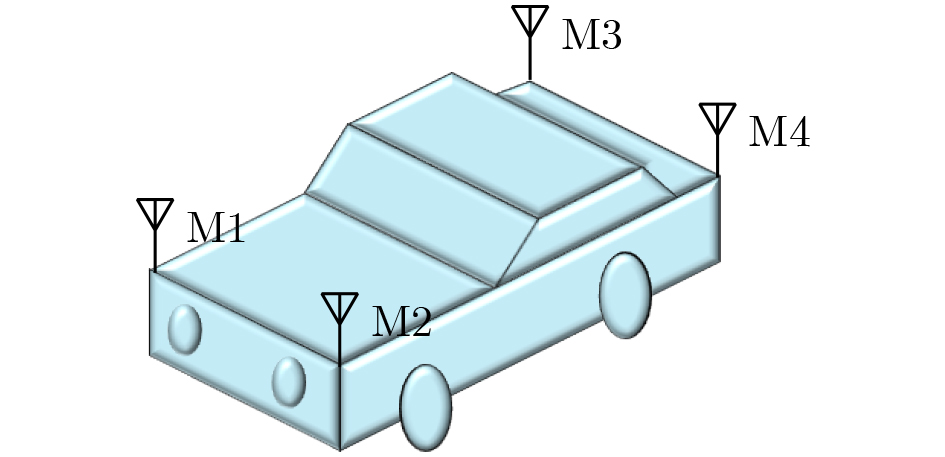
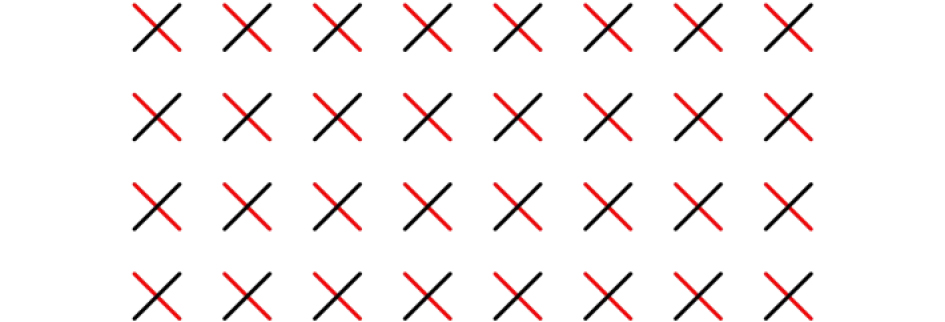
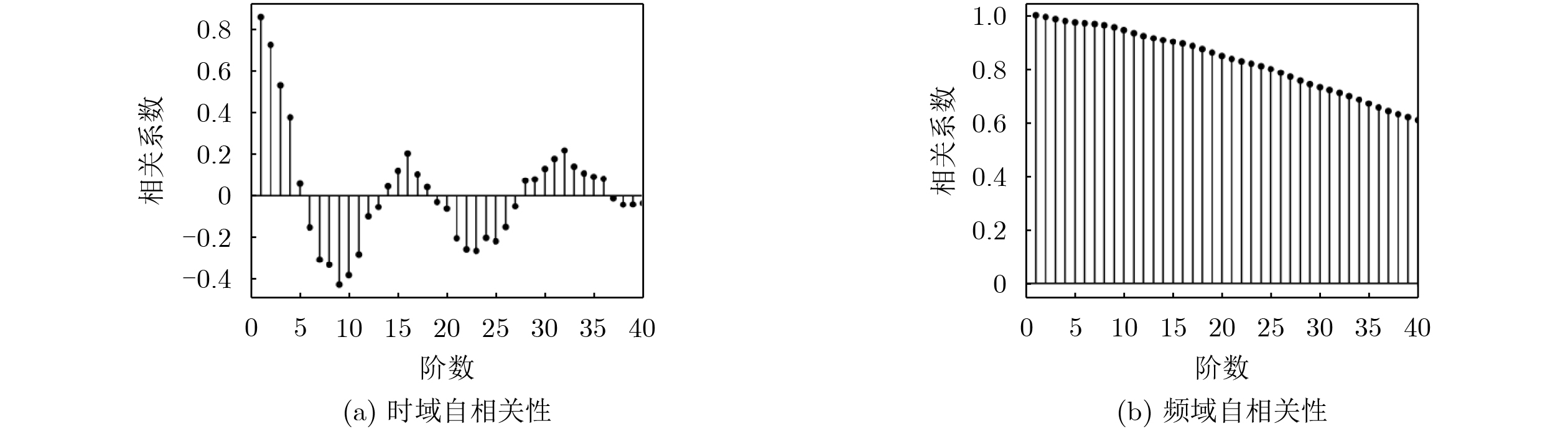
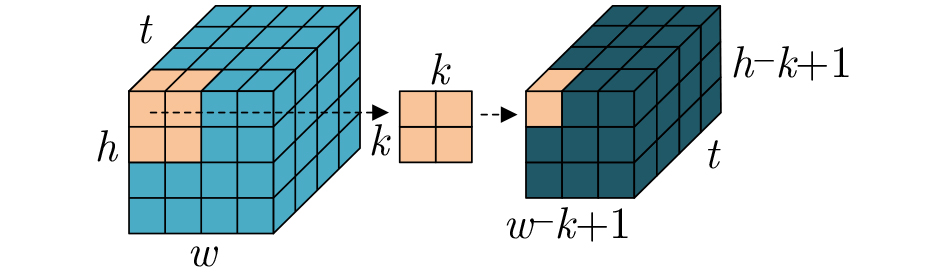
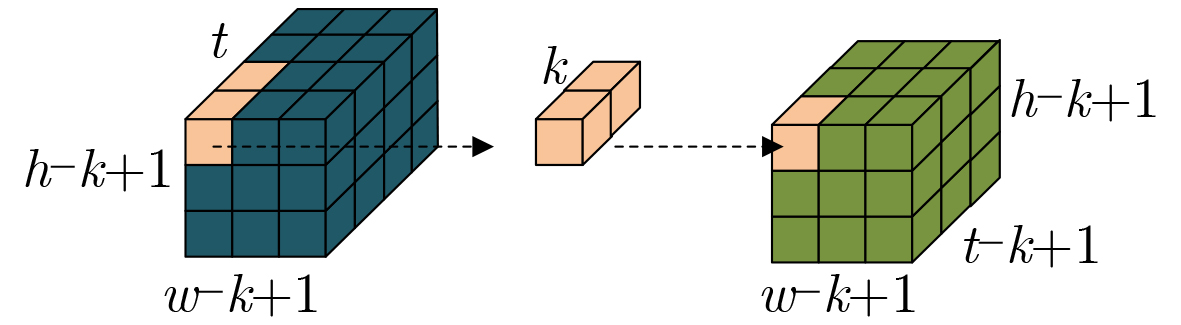
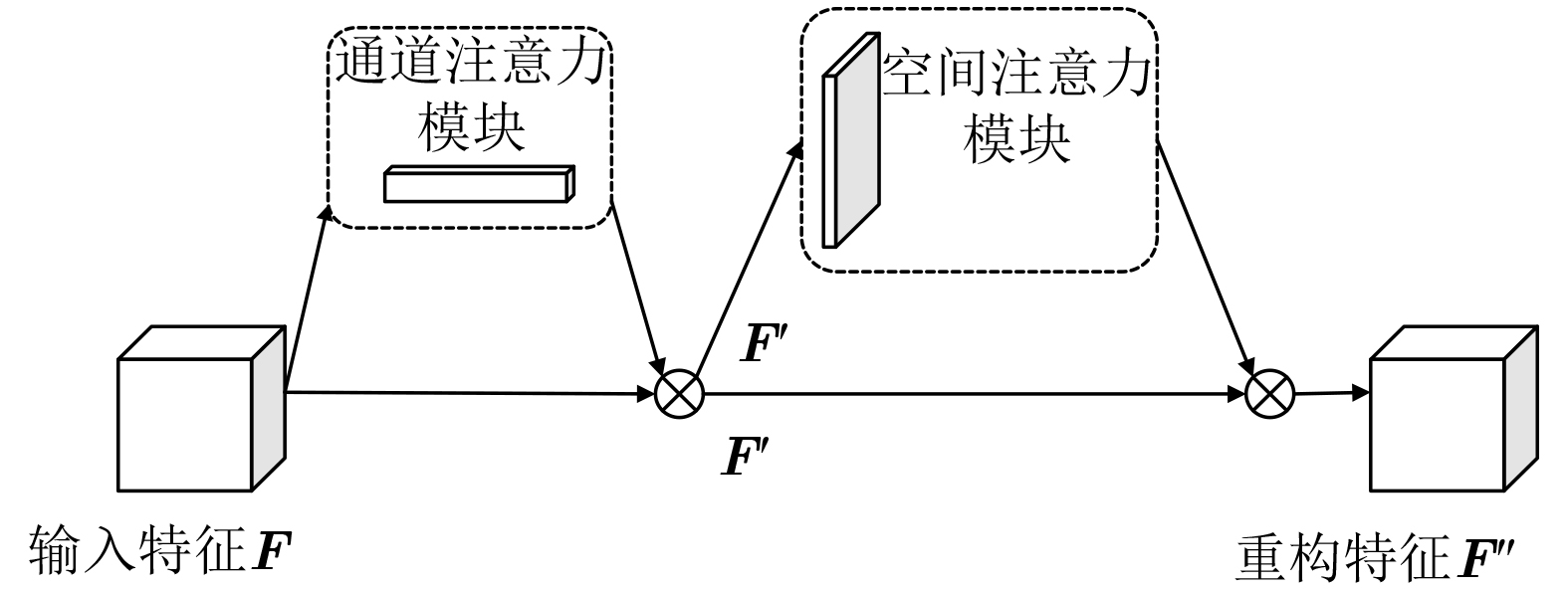
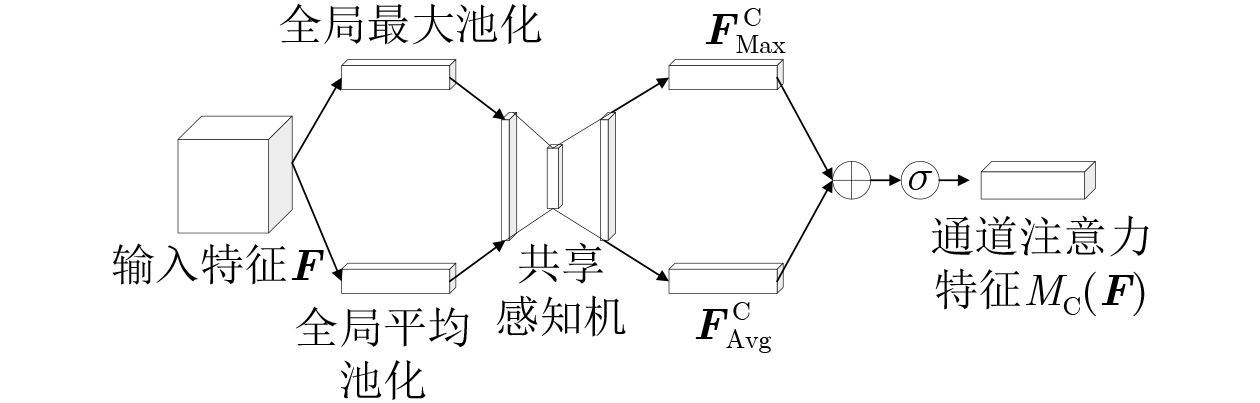
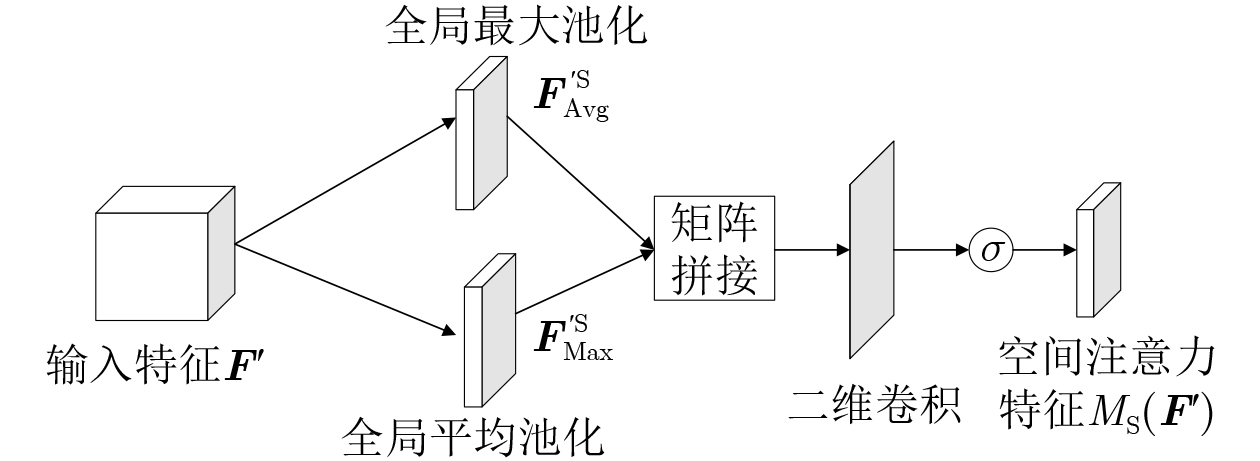
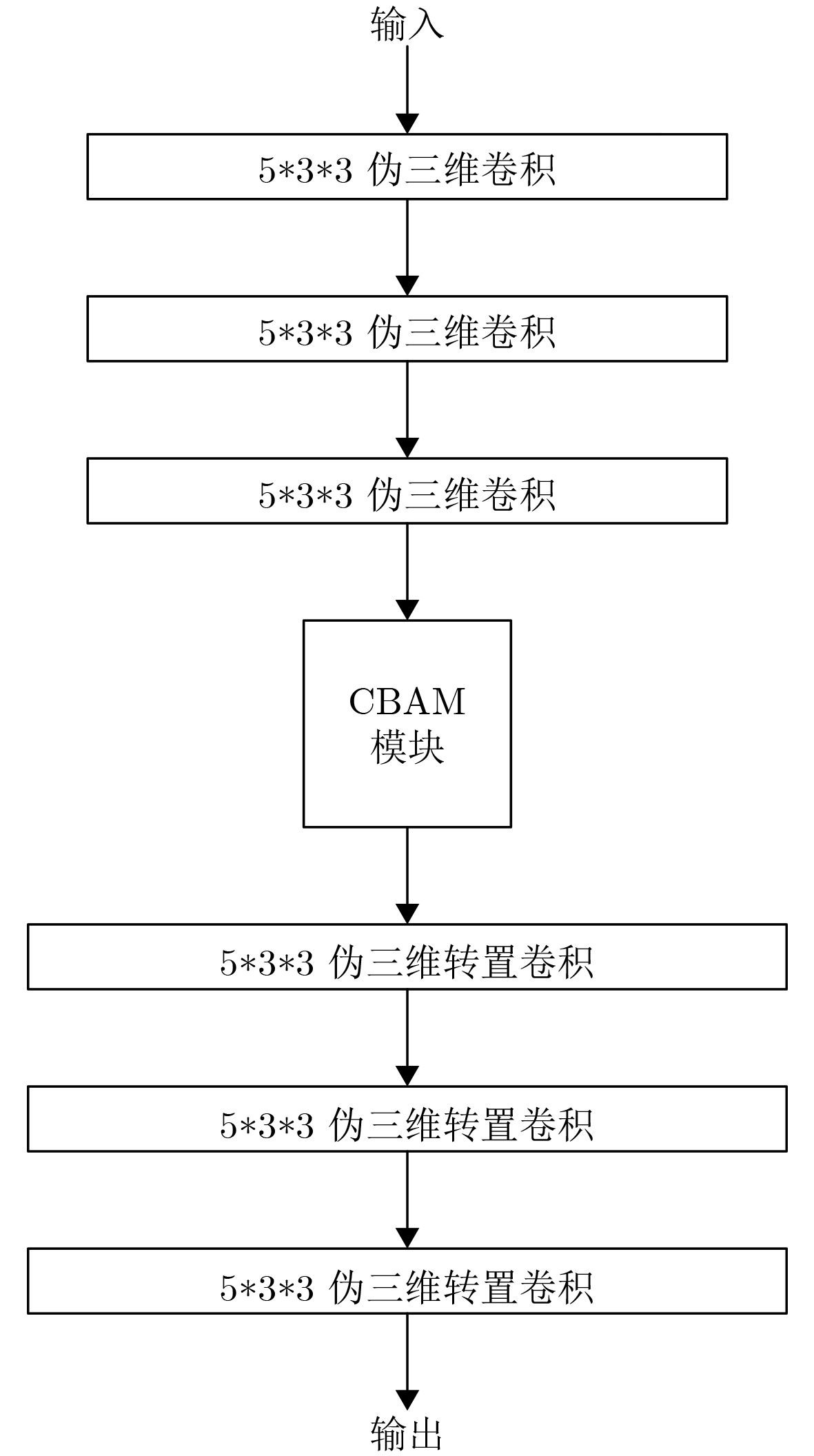
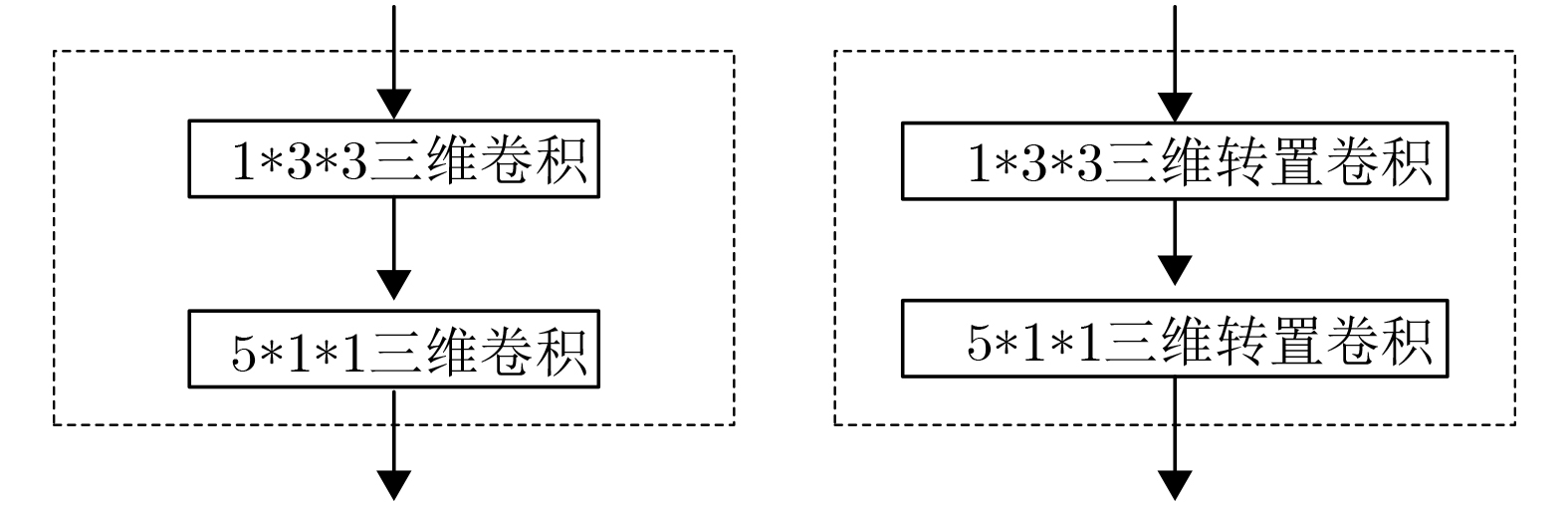
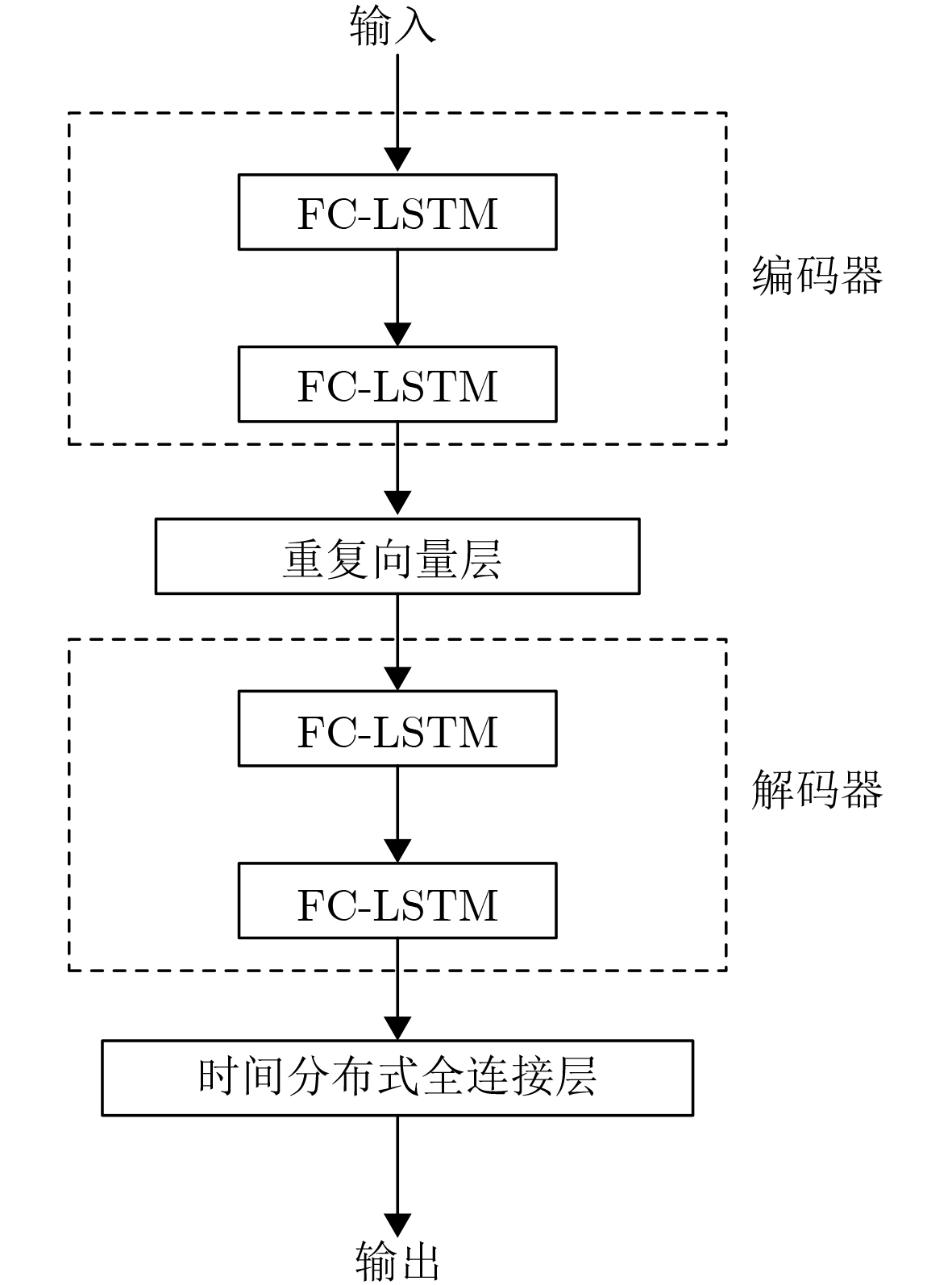
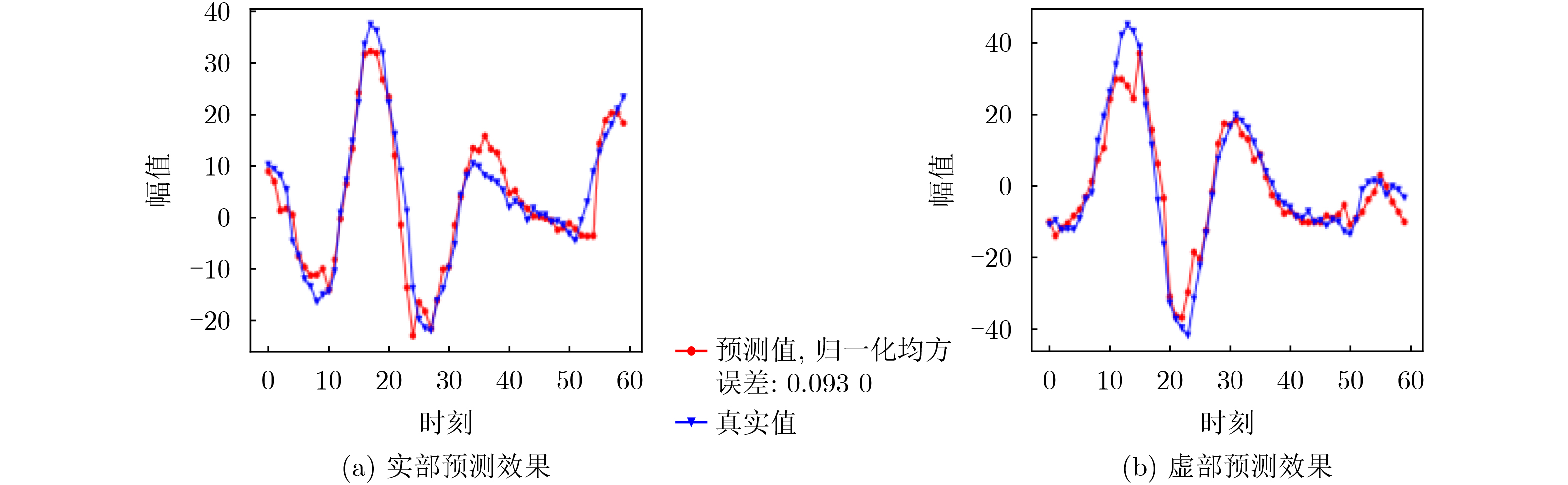
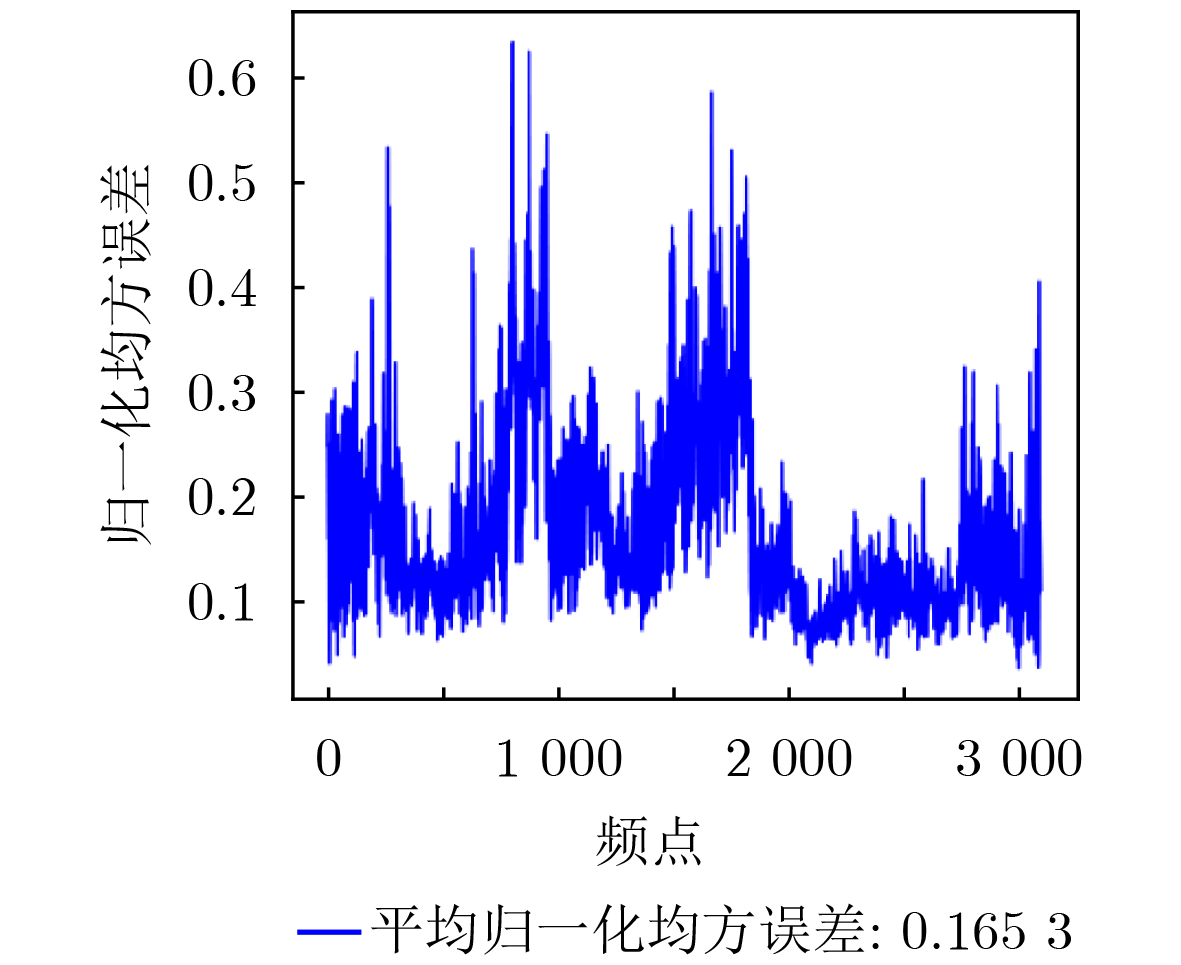
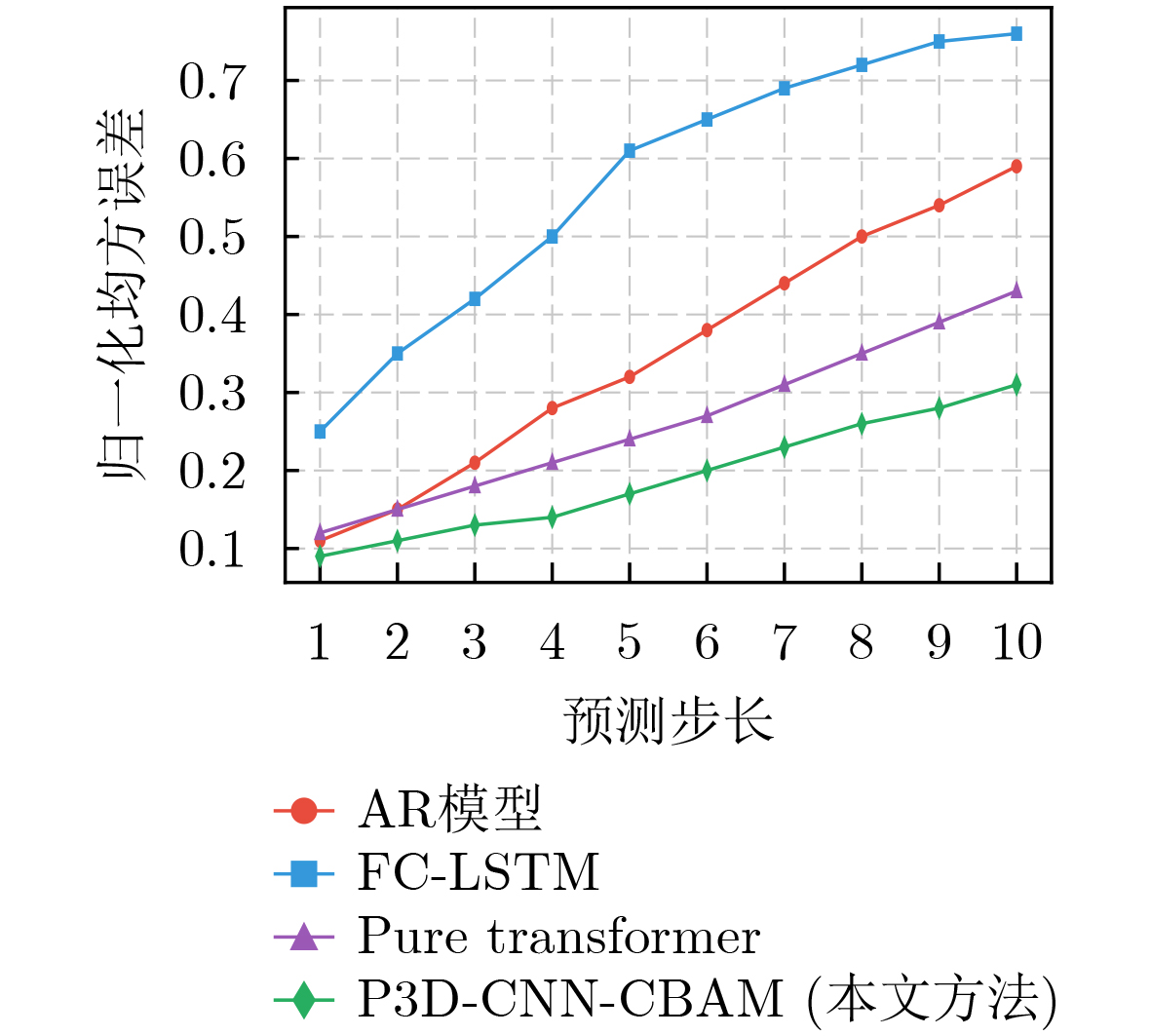
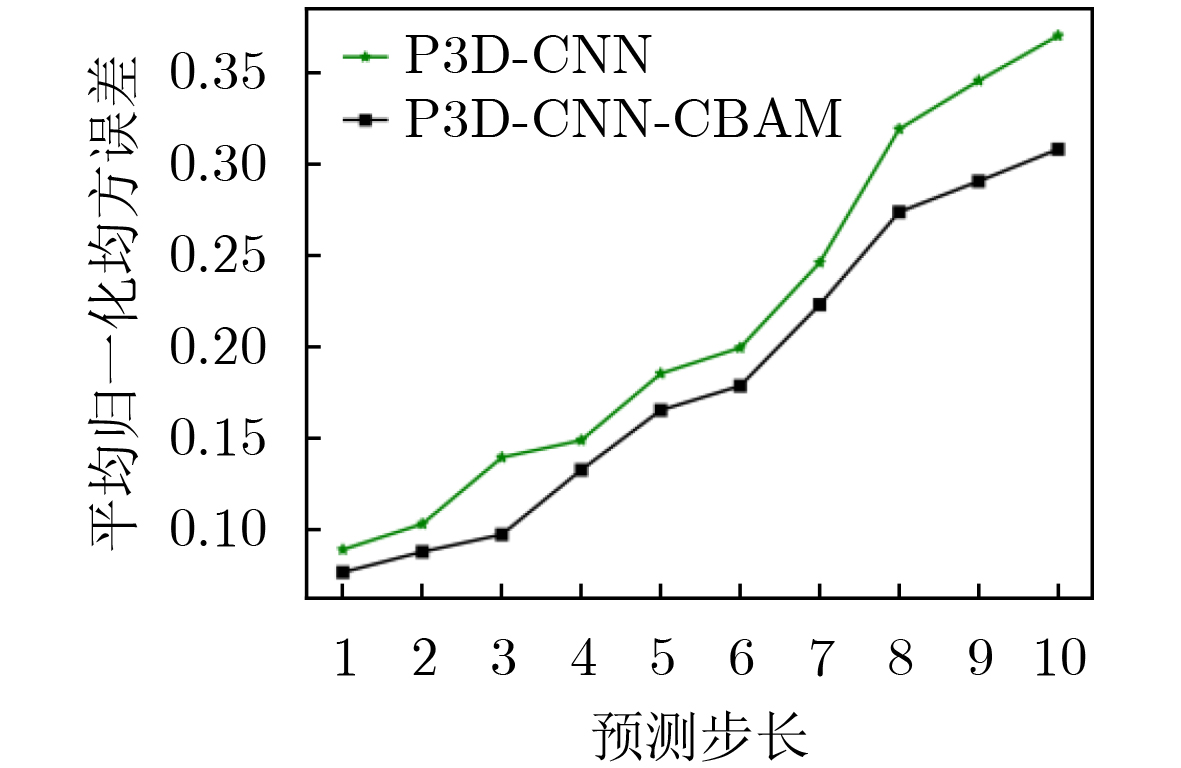
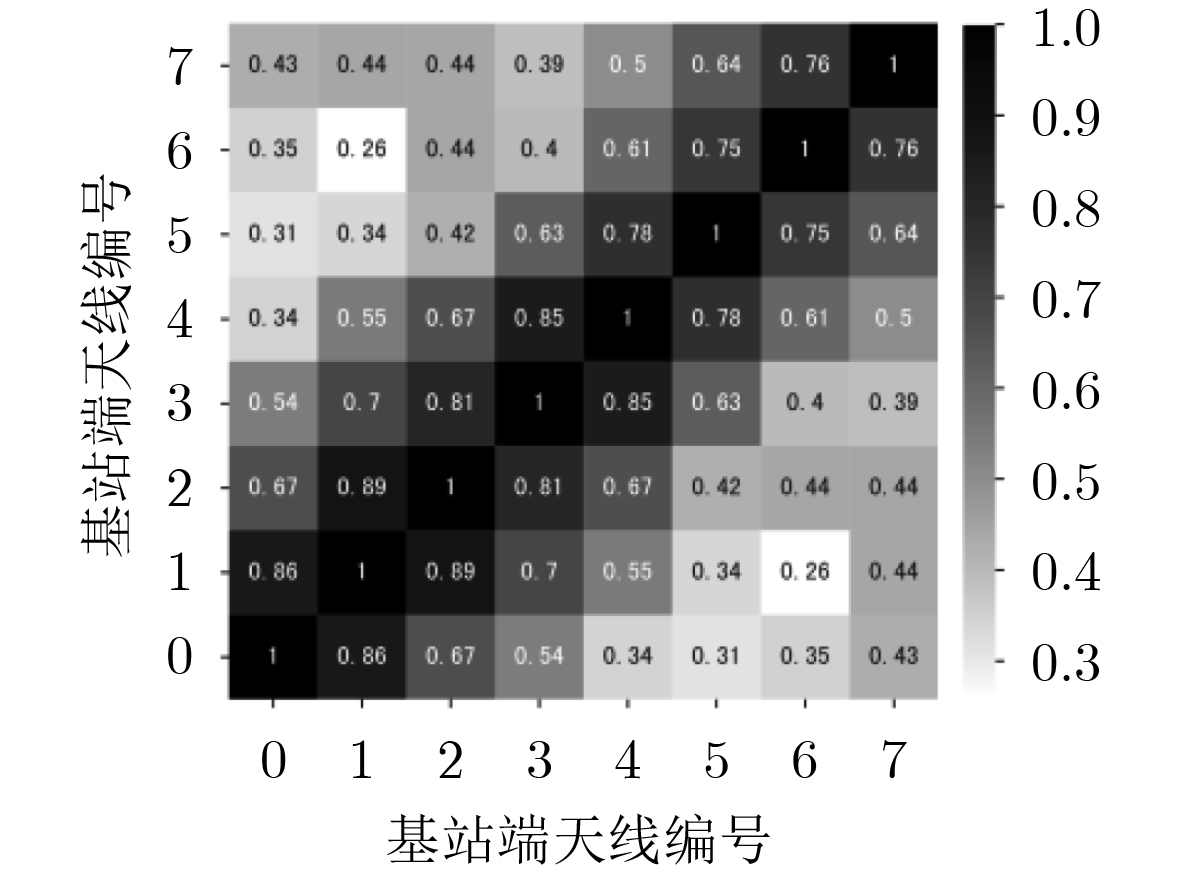
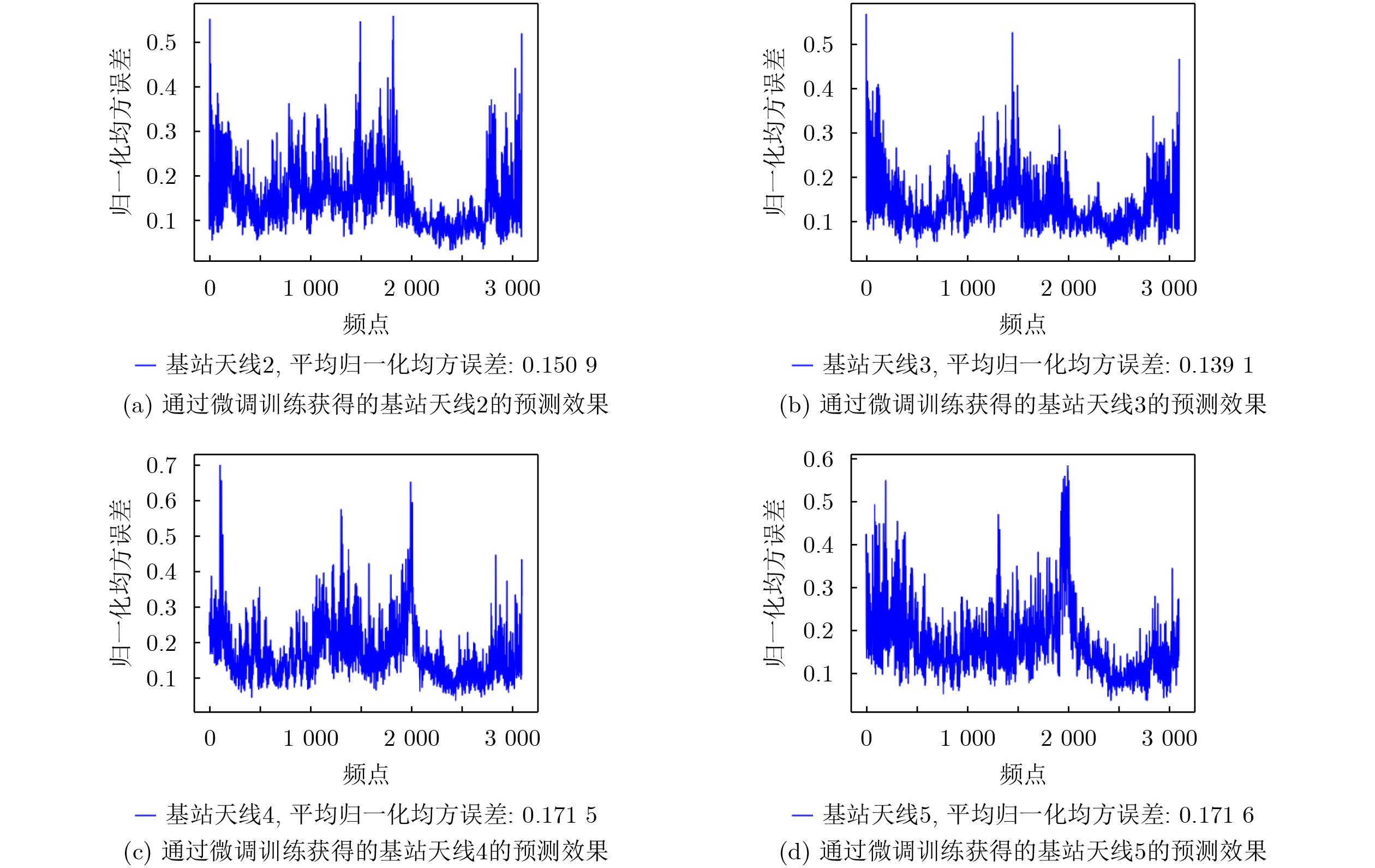
  •   Objective  With the rapid increase in the number of connections and data traffic in the fifth generation mobile networks, massive MIMO has become the key to improving network performance. The spectral efficiency and energy efficiency of massive MIMO transmission performance depend on accurate channel state information (CSI). However, the non-stationary characteristics of the wireless channel, the delay of terminal processing and the application of ultra-high frequency band aggravate the outdated problem of CSI, which needs to be compensated by channel prediction. Most of the mainstream prediction schemes are based on generalized stationary channels, and most of them are single-step channel prediction methods. In non-stationary environments, the CSI obtained by single-step prediction is highly likely to be outdated, and frequent single-step prediction will greatly increase the pilot overhead of the system. In order to cope with these challenges, this study proposes a multi-step channel prediction method based on pseudo-three-dimensional convolutional neural network and attention mechanism, which can learn the time-frequency characteristics of CSI at the same time. By using the high correlation in frequency domain, the influence of low correlation in time domain on multi-step prediction can be alleviated, and the performance of prediction can be improved.  Methods  In this paper, the uplink model of massive MIMO system is constructed (Fig. 1). The channel state information is obtained by channel estimation through IFFT at the transmitter and FFT at the receiver. Through the actual channel measurement, the channel state information data set with dimension of time domain-frequency domain is obtained, and the autocorrelation analysis of time dimension and frequency dimension is carried out. Based on pseudo three-dimensional convolution and mixed attention mechanism CBAM, a multi-step channel prediction network structure (P3D-CNN-CBAM) (Fig. 13) is designed. The P3D-CNN structure is used to replace the traditional 3D-CNN structure. The three-dimensional convolution operation is decomposed into two-dimensional convolution operation in the frequency domain and one-dimensional convolution operation in the time domain, which greatly reduces the computational complexity. The mixed attention mechanism CBAM is introduced to extract the global information in the frequency domain and the channel domain, which further improves the channel prediction accuracy.  Results and Discussions  Based on the measured channel state information data set, this paper uses the channel prediction method based on AR model, the channel prediction method based on fully connected long short-term memory (FC-LSTM) and the channel prediction method based on P3D-CNN-CBAM to compare the prediction performance under different prediction steps. The simulation results show that the average NMSE of the proposed channel prediction method based on P3D-CNN-CBAM is smaller than that of the other two methods (Fig. 17). As the prediction step increases from 1 to 10, the prediction error rises sharply because the AR model and FC-LSTM only use the correlation in the time domain. When the prediction step size is 10, the average NMSE of the prediction method based on AR model and FC-LSTM reaches 0.5868 and 0.7648, respectively. The average NMSE of the prediction method based on P3D-CNN-CBAM is only 0.3078, maintaining good prediction ability. This paper also compares and confirms the improvement of P3D-CNN network prediction performance brought by the hybrid attention mechanism CBAM (Fig. 18). Finally, using the method of transfer learning, the proposed method is transformed from a single day to a single day.  Conclusions  Based on the measured channel state information data set, this paper adopts the information based on AR model. Aiming at the CSI outdated problem of single-step prediction method in massive MIMO channel prediction, this paper proposes a multi-step channel prediction method based on pseudo-three-dimensional convolutional neural network and attention mechanism. By using pseudo-three-dimensional convolution instead of three-dimensional convolution, the information of CSI time-frequency domain is extracted, and a hybrid attention mechanism (CBAM) is introduced to improve the learning ability of channel prediction network for global information. The experimental results based on the measured channel data show that: (1) The proposed method has great advantages over the prediction methods based on AR model and FC-LSTM; (2) Based on the idea of transfer learning, the multi-step channel prediction is extended from single antenna to multi-antenna.
  • loading
  • [1]
    Global System for Mobile Communications Assembly (GSMA). The mobile economy China 2024[R]. London: GSMA, 2024.
    [2]
    REDDY M S, KUMAR T A, and RAO K S. Spectral efficiency analysis of massive MIMO system[C]. Proceedings of 2016 IEEE Conference on Systems, Process and Control (ICSPC), Melaka, Malaysia, 2016: 148–153. doi: 10.1109/SPC.2016.7920720.
    [3]
    PRASAD K N R S V, HOSSAIN E, and BHARGAVA V K. Energy efficiency in massive MIMO-based 5G networks: Opportunities and challenges[J]. IEEE Wireless Communications, 2017, 24(3): 86–94. doi: 10.1109/MWC.2016.1500374WC.
    [4]
    HONG W B, BAEK K H, LEE Y, et al. Study and prototyping of practically large-scale mmWave antenna systems for 5G cellular devices[J]. IEEE Communications Magazine, 2014, 52(9): 63–69. doi: 10.1109/MCOM.2014.6894454.
    [5]
    邱玲. 多用户、多小区MIMO通信技术[M]. 北京: 人民邮电出版社, 2011. (查阅网上资料, 未找到对应的页码信息, 请确认).

    QIU Ling. Multi-User Multi-Cell MIMO Communication Technology[M]. Beijing: Posts & Telecom Press, 2011.
    [6]
    ZHANG R, ISOLA P, and EFROS A A. Split-brain autoencoders: Unsupervised learning by cross-channel prediction[C]. Proceedings of 2017 IEEE Conference on Computer Vision and Pattern Recognition, Honolulu, USA, 2017: 645–654. doi: 10.1109/CVPR.2017.76.
    [7]
    郑明明, 彭薇, 刘川, 等. 面向智慧城市数字孪生网络的资源分配方案[J]. 电信科学, 2025, 41(9): 43–54. doi: 10.11959/j.issn.1000-0801.2025210.

    ZHENG Mingming, PENG Wei, LIU Chuan, et al. Resource allocation scheme for digital twin networks in smart cities[J]. Telecommunications Science, 2025, 41(9): 43–54. doi: 10.11959/j.issn.1000-0801.2025210.
    [8]
    于创宇, 徐彦彦, 潘少明. 基于MIMO-CSI预测的轻量化信源信道联合编码方法[J]. 电信科学, 2025, 41(6): 29–47. doi: 10.11959/j.issn.1000-0801.2025126.

    YU Chuangyu, XU Yanyan, and PAN Shaoming. Lightweight joint source-channel coding method based on MIMO-CSI prediction[J]. Telecommunications Science, 2025, 41(6): 29–47. doi: 10.11959/j.issn.1000-0801.2025126.
    [9]
    LI Xingwang, ZHANG Junyao, HAN Congzheng, et al. Reliability and security of CR-STAR-RIS-NOMA-assisted IoT networks[J]. IEEE Internet of Things Journal, 2024, 11(17): 27969–27980. doi: 10.1109/JIOT.2023.3340371.
    [10]
    TRUONG K T and HEATH R W. Effects of channel aging in massive MIMO systems[J]. Journal of Communications and Networks, 2013, 15(4): 338–351. doi: 10.1109/JCN.2013.000065.
    [11]
    李泽慧, 张琳, 山显英. 三维卷积神经网络方法改进及其应用综述[J]. 计算机工程与应用, 2025, 61(3): 48–61. doi: 10.3778/j.issn.1002-8331.2407-0031.

    LI Zehui, ZHANG Lin, and SHAN Xianying. Review on improvement and application of 3D convolutional neural networks[J]. Computer Engineering and Applications, 2025, 61(3): 48–61. doi: 10.3778/j.issn.1002-8331.2407-0031.
    [12]
    夏振平, 陈豪, 张宇宁, 等. 基于混合时空卷积的轻量级视频超分辨率重建[J]. 光学 精密工程, 2024, 32(16): 2564–2576. doi: 10.37188/OPE.20243216.2564.

    XIA Zhenping, CHEN Hao, ZHANG Yuning, et al. Lightweight video super-resolution based on hybrid spatio-temporal convolution[J]. Optics and Precision Engineering, 2024, 32(16): 2564–2576. doi: 10.37188/OPE.20243216.2564.
    [13]
    JIANG Wei, STRUFE M, and SCHOTTEN H D. Long-range MIMO channel prediction using recurrent neural networks[C]. Proceedings of 2020 IEEE 17th Annual Consumer Communications & Networking Conference (CCNC), Las Vegas, USA, 2020: 1–6. doi: 10.1109/CCNC46108.2020.9045219.
    [14]
    QIU Zhaofan, YAO Ting, and MEI Tao. Learning spatio-temporal representation with pseudo-3D residual networks[C]. Proceedings of 2017 IEEE International Conference on Computer Vision, Venice, Italy, 2017: 5534–5542. doi: 10.1109/ICCV.2017.590.
    [15]
    XIE Saining, GIRSHICK R, DOLLÁR P, et al. Aggregated residual transformations for deep neural networks[C]. Proceedings of 2017 IEEE Conference on Computer Vision and Pattern Recognition, Honolulu, USA, 2017: 5987–5995. doi: 10.1109/CVPR.2017.634.
    [16]
    WOO S, PARK J, LEE J Y, et al. CBAM: Convolutional block attention module[C]. Proceedings of the 15th European Conference on Computer Vision, Munich, Germany, 2018: 3–19. doi: 10.1007/978-3-030-01234-2_1.
    [17]
    PAN S J and YANG Qiang. A survey on transfer learning[J]. IEEE Transactions on Knowledge and Data Engineering, 2010, 22(10): 1345–1359. doi: 10.1109/TKDE.2009.191.
    [18]
    YANG Yuwen, GAO Feifei, LI G Y, et al. Deep learning-based downlink channel prediction for FDD massive MIMO system[J]. IEEE Communications Letters, 2019, 23(11): 1994–1998. doi: 10.1109/LCOMM.2019.2934851.
  • 加载中

Catalog

    通讯作者: 陈斌, bchen63@163.com
    • 1. 

      沈阳化工大学材料科学与工程学院 沈阳 110142

    1. 本站搜索
    2. 百度学术搜索
    3. 万方数据库搜索
    4. CNKI搜索

    Figures(20)

    Article Metrics

    Article views (20) PDF downloads(2) Cited by()
    Proportional views
    Related

    /

    DownLoad:  Full-Size Img  PowerPoint
    Return
    Return