Advanced Search
Turn off MathJax
Article Contents
ZHANG Jingsen, HOU Biao, LI Zhijie, BI Wenping, WU Zitong. A Fault Diagnosis Method for Flight Control System Combining Pose-Invariant Features and Semi-Supervised RDC-GAN Model[J]. Journal of Electronics & Information Technology. doi: 10.11999/JEIT250964
Citation: ZHANG Jingsen, HOU Biao, LI Zhijie, BI Wenping, WU Zitong. A Fault Diagnosis Method for Flight Control System Combining Pose-Invariant Features and Semi-Supervised RDC-GAN Model[J]. Journal of Electronics & Information Technology. doi: 10.11999/JEIT250964

A Fault Diagnosis Method for Flight Control System Combining Pose-Invariant Features and Semi-Supervised RDC-GAN Model

doi: 10.11999/JEIT250964 cstr: 32379.14.JEIT250964
Funds:  National Natural Science Foundation of China(62171347, 62101405, 62501450) China Postdoctoral Science Foundation (2024M762544)
  • Accepted Date: 2025-12-12
  • Rev Recd Date: 2025-12-12
  • Available Online: 2025-12-18
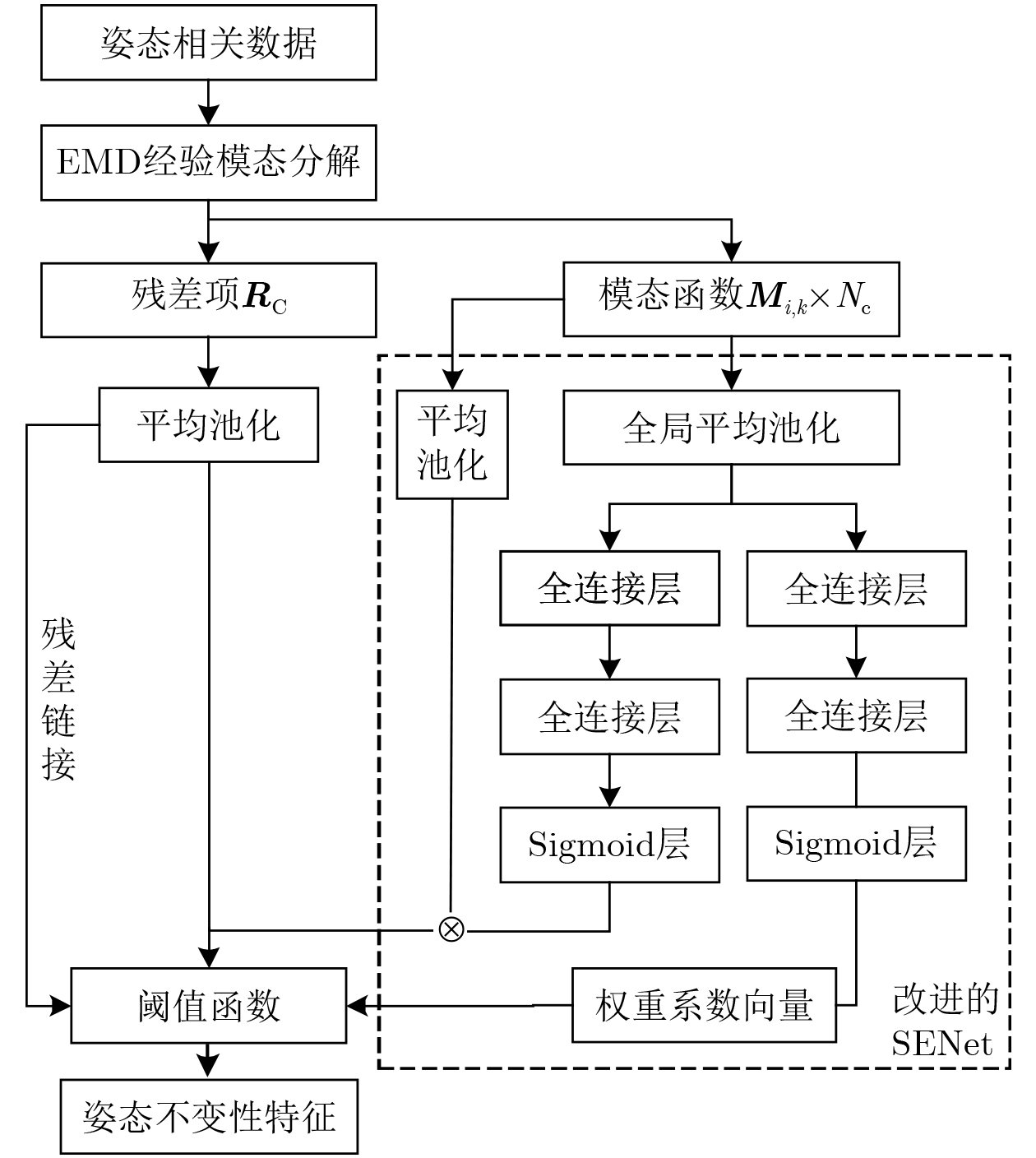
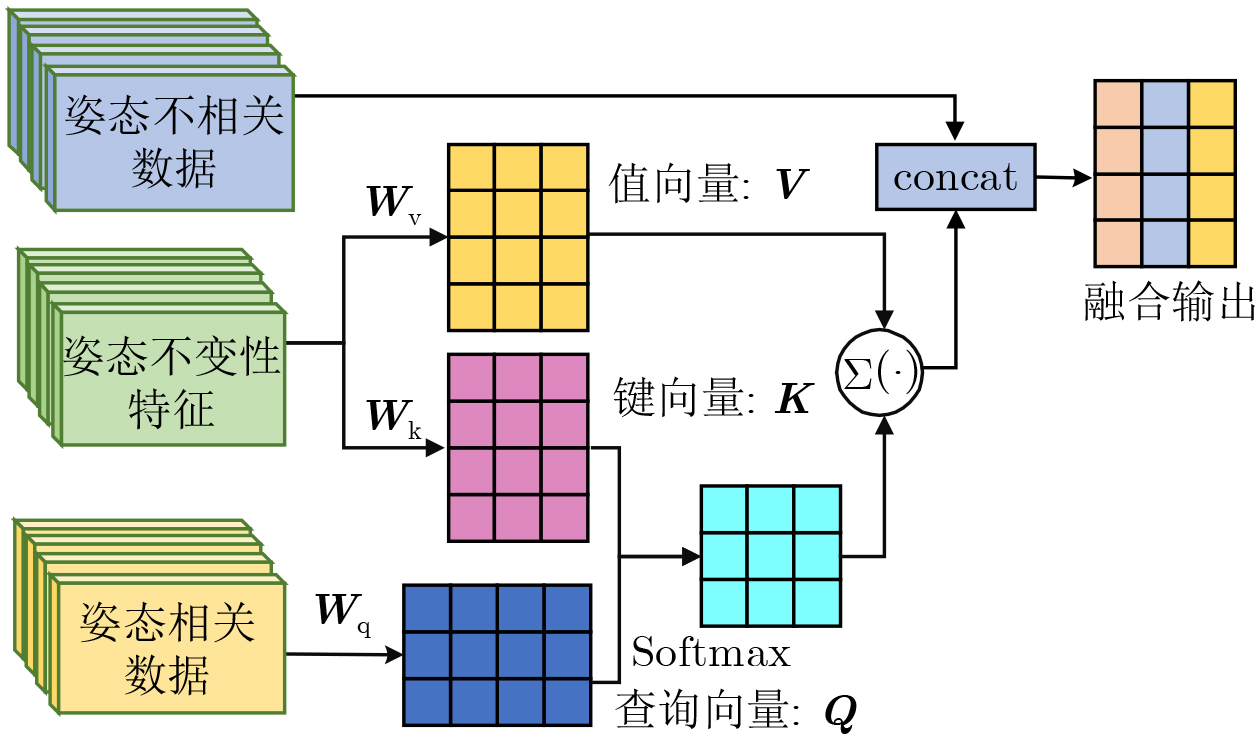
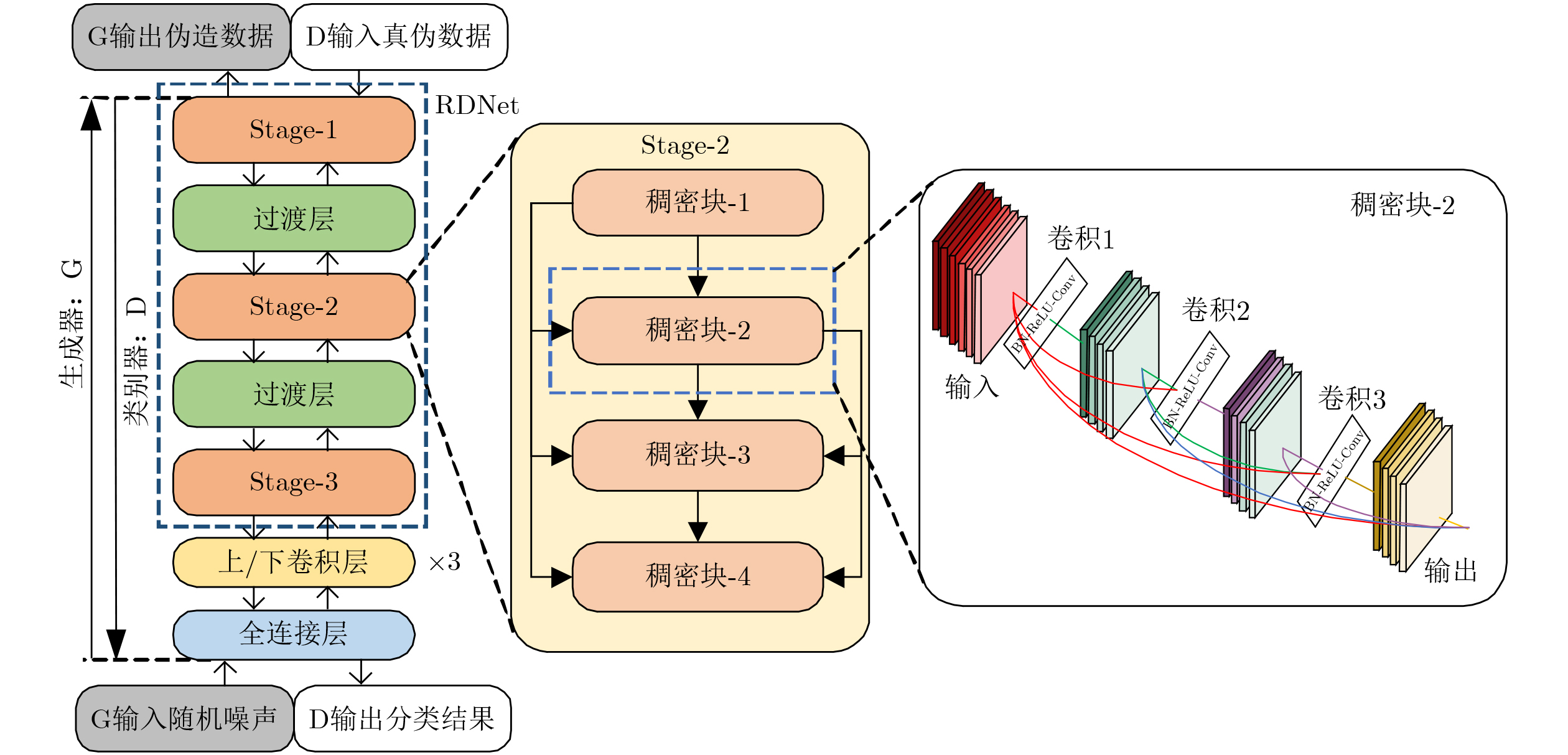
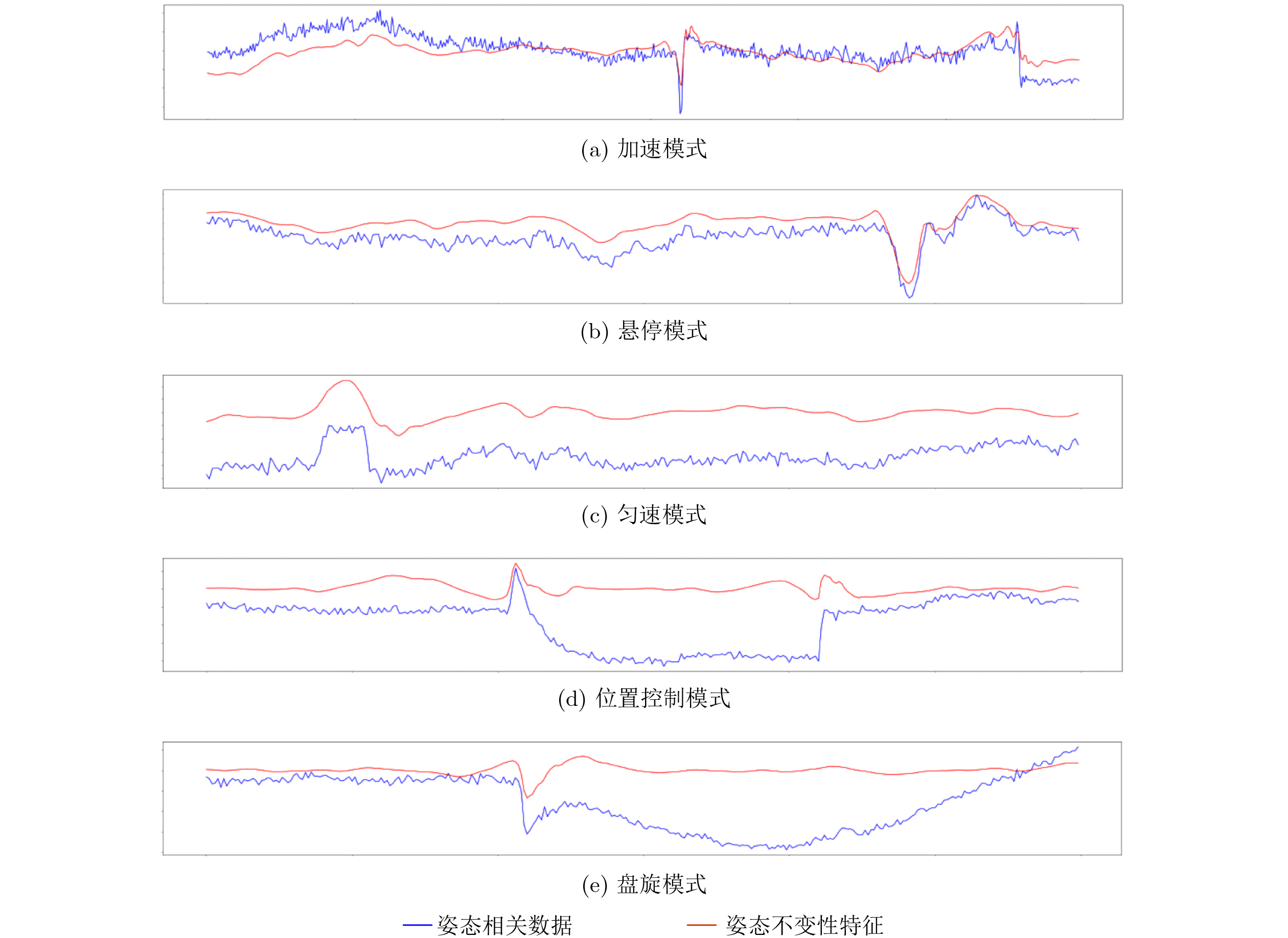
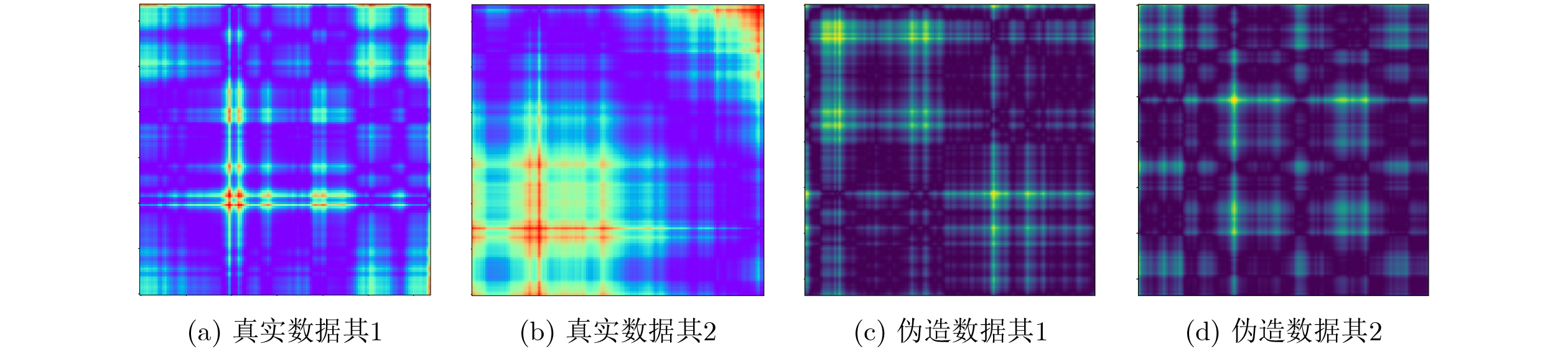
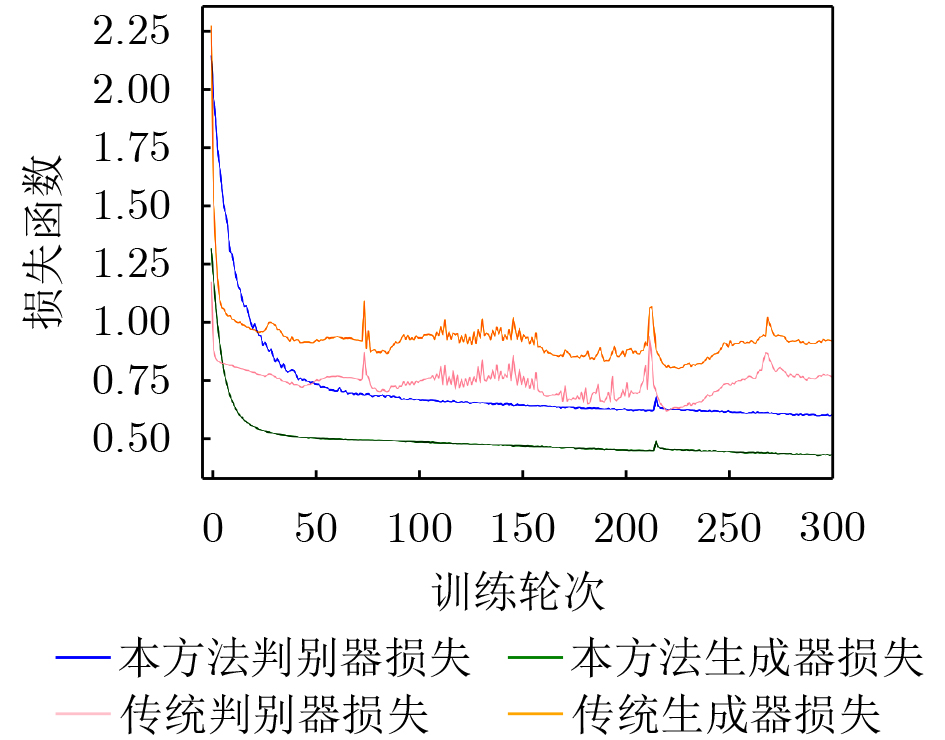
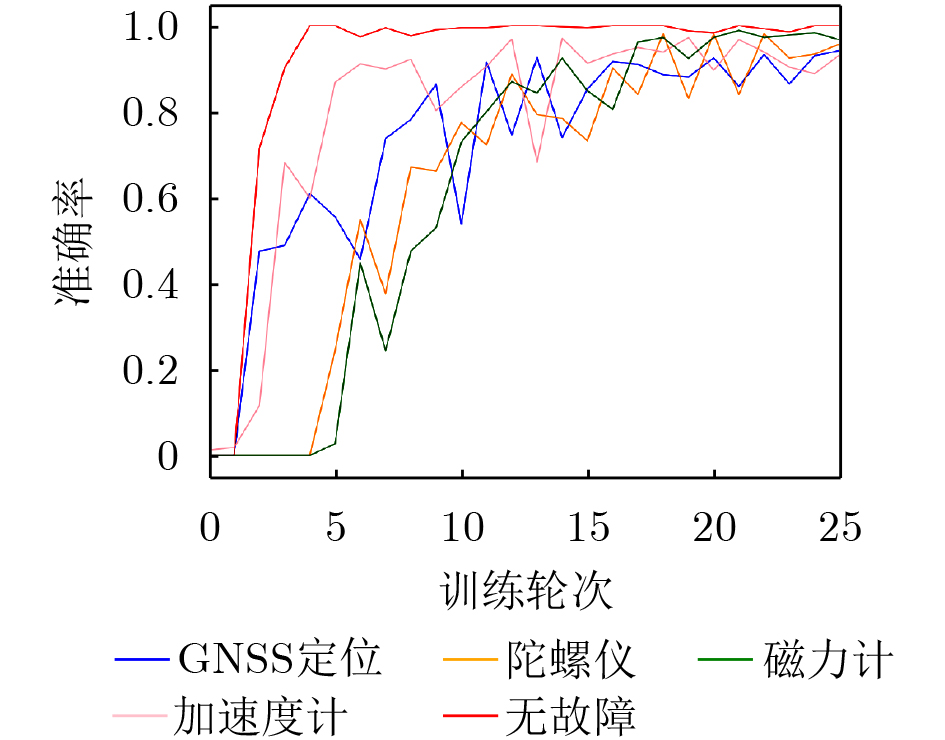
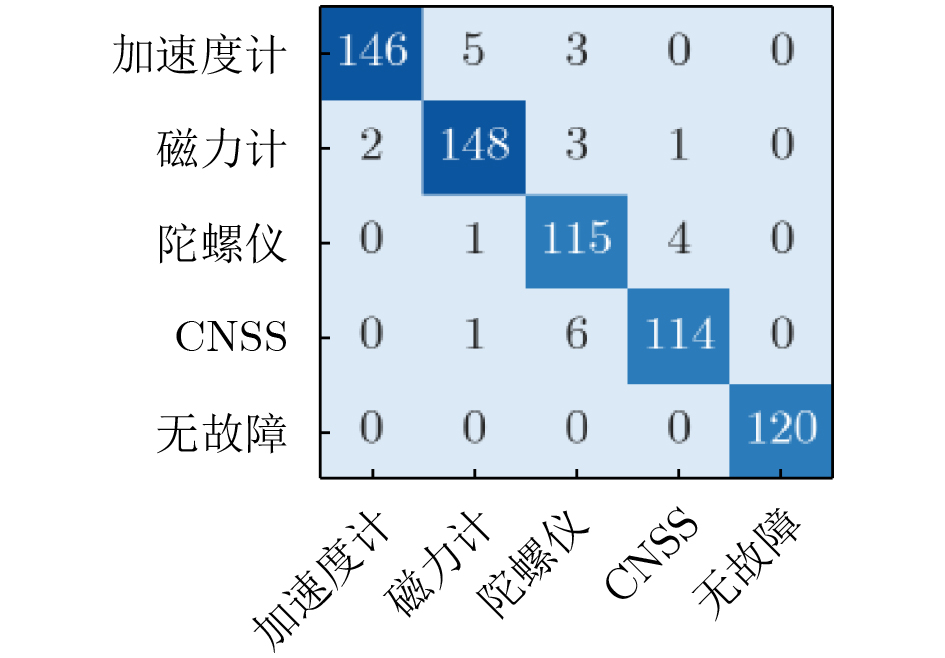
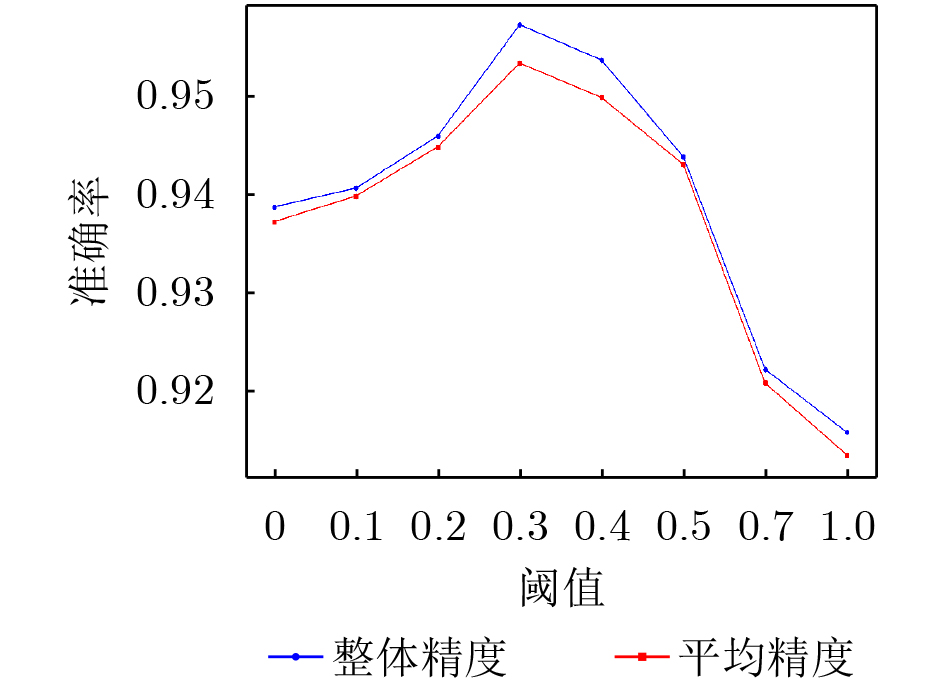
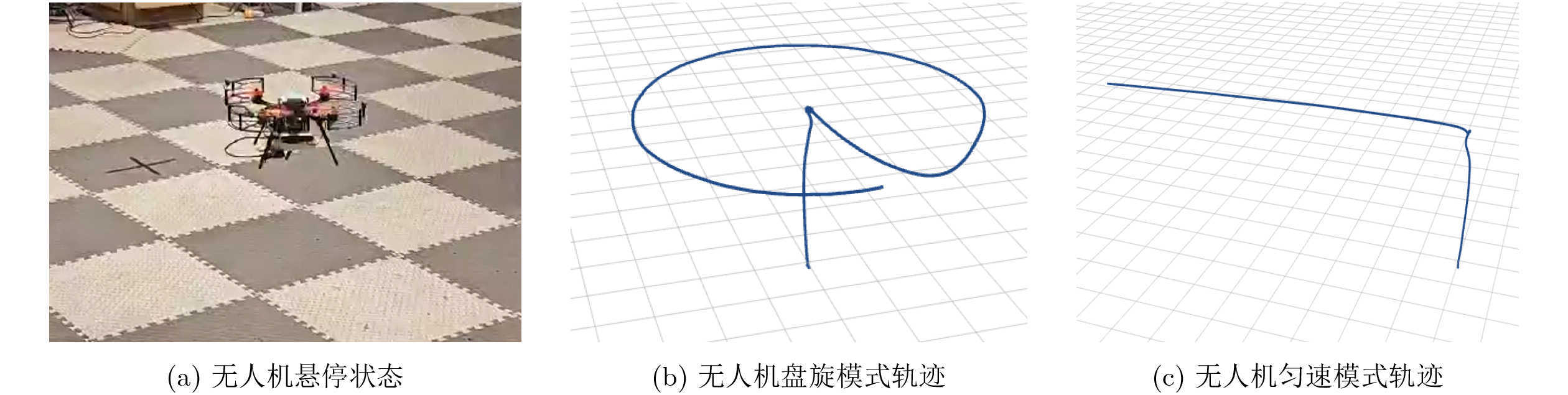
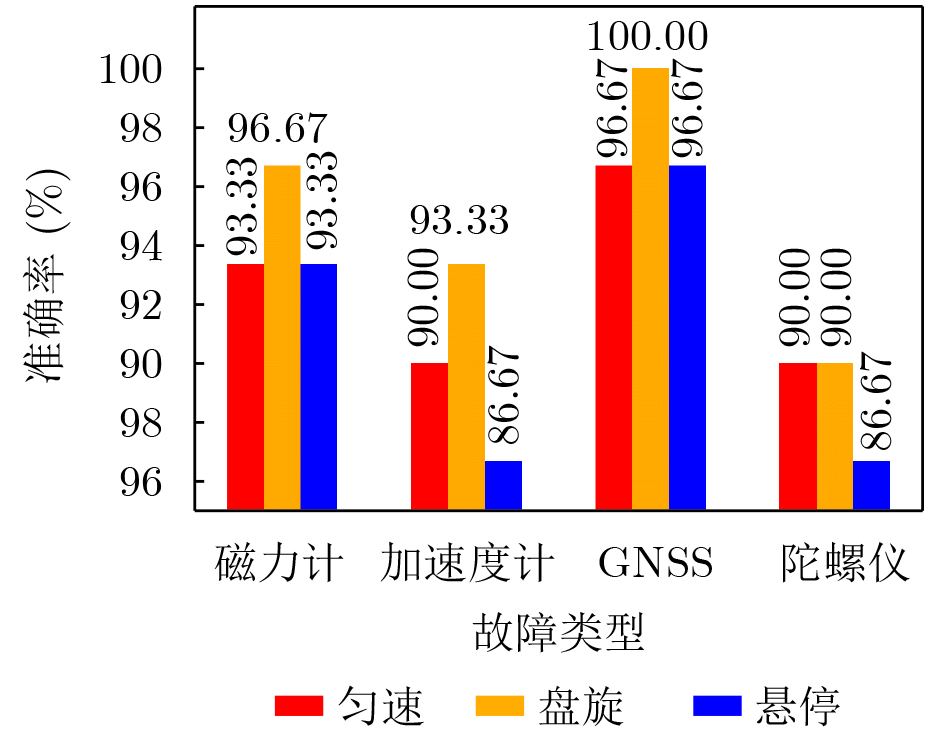
  •   Objective   In recent years, China has been actively promoting the development of the low-altitude economy, leading to a increasingly widespread adoption of drones across various industries. As highly sophisticated aerial systems, Unmanned Aerial Vehicles (UAV) are often prone to various failures during operation. The flight control systems, serving as the core of a UAV’s flight operations, may exhibit faults that are less apparent than physical damage to components such as motors or propellers. However, such faults can directly result in flight instability or even a complete loss of control. The fault diagnosis of UAV flight control systems primarily faces the following two major challenges: Firstly, as an emerging aerial platform, the amount of effectively accumulated training data for UAVs is significantly smaller than that of traditional diagnostic targets such as bearings, resulting in a data scarcity issue. Secondly, due to their highly dynamic nature, UAVs exhibit significant differences in data distribution across various flight attitudes, making it difficult for most diagnostic models to achieve accurate fault identification in such rapidly changing data environments. Therefore, finding an effective fault diagnosis method for drone flight control systems holds both academic and practical engineering significance.  Methods   This paper proposes a fault diagnosis method for flight control systems based on pose-invariant features and a semi-supervised Reloaded Dense Generative Adversarial Classification Networks (RDC-GAN). The overall process of the proposed method is illustrated in Figure 1. The method acquires flight logs of the drone as raw diagnostic data. After data cleaning, the flight data is categorized into pose-dependent and pose-independent data through differential flatness-based data selection method. For attitude-dependent data, Empirical Mode Decomposition-Squeeze Excitation Networks (EMD-SENet) is employed to extract pose-invariant features, as depicted in Figure 3. Subsequently, an adaptive feature fusion module is utilized to perform weighted fusion of the pose-independent data, pose-invariant features, and pose-dependent data, as shown in Figure 4. Finally, the fused features are fed into a semi-supervised RDC-GAN diagnostic model, the structure of which is presented in Figure 5. The training of RDC-GAN consists of two phases: the first phase employs unsupervised training to initialize the model network using a large amount of unlabeled data, while the second phase involves supervised training with a small amount of labeled data. This approach achieves accurate fault diagnosis in drone flight control systems using only minimal labeled data.  Results and Discussions   The proposed method is first evaluated on the publicly available RflyMad dataset. This dataset includes magnetometer fault, accelerometer fault, gyroscope fault, GNSS fault, and no-fault data under five attitude modes. Figures 5 and 6 present the pose-invariant features extracted by Empirical Mode Decomposition-Squeeze Excitation Networks (EMD-SENet) and the fake samples generated by the RDC-GAN generator, respectively. For evaluation metrics, in addition to the diagnostic accuracy for each fault type, the following three criteria are employed to assess the diagnosis performance: Overall Accuracy (OA), Average Accuracy (AA), and the Kappa coefficient. The diagnostic results on the RflyMad dataset are presented in Table 1. The proposed method achieves 95.71% in OA, 95.32% in AA, and 95.41% in Kappa coefficient, outperforming the second-best comparative method by margins of 3.57%, 3.3%, and 3.34%, respectively. For real-flight diagnostic experiments, this paper proposes a fault injection method based on a redundant positioning system. A motion capture system and an Ultra-Wideband (UWB) four-base station positioning system are adopted to ensure the reliability and safety of fault injection. The experimental setup is illustrated in Figure 12. The diagnostic results from the online real-flight fault diagnosis experiment are shown in Figure 13, where an overall accuracy of 92.78% is attained. The fault diagnosis time is summarized in Table 5, and the false alarm statistics are provided in Table 6.  Conclusions   This paper proposes a fault diagnosis method for flight control systems based on pose-invariant features and a semi-supervised RDC-GAN model, aiming to address the challenges of insufficient UAV data and the impact of flight poses on diagnostic performance. The method employs a differential flatness-based data selection approach to distinguish between pose-dependent and pose-independent data. Pose-invariant features are extracted using EMD-SENet, and an adaptive feature fusion module is introduced to adjust the weights of different features. Finally, a semi-supervised RDC-GAN model is utilized for phased training, enabling high diagnostic accuracy with only a limited amount of labeled data. The proposed method is evaluated on both the public RflyMad dataset and real-world UAV flight scenarios, with experimental results demonstrating its effectiveness.
  • loading
  • [1]
    SINGH P K and SHARMA A. An intelligent WSN-UAV-based IoT framework for precision agriculture application[J]. Computers and Electrical Engineering, 2022, 100: 107912. doi: 10.1016/j.compeleceng.2022.107912.
    [2]
    林清, 王英勋, 蔡志浩, 等. 国外几型无人机事故统计及分析[C]. 2014(第五届)中国无人机大会论文集, 北京, 2014: 798–805.

    LIN Qing, WANG Yingxun, CAI Zhihao, et al. Several types of foreign UAV accident statistics and analysis[C]. 2014 (5th) China UAV Conference, Beijing, China, 2014: 798–805. (查阅网上资料, 未找到本条文献英文信息, 请确认).
    [3]
    安雪, 李少波, 张仪宗, 等. 无人机飞控系统故障诊断技术研究综述[J]. 计算机工程与应用, 2023, 59(24): 1–15. doi: 10.3778/j.issn.1002-8331.2305-0137.

    AN Xue, LI Shaobo, ZHANG Yizong, et al. Review of fault diagnosis techniques for UAV flight control systems[J]. Computer Engineering and Applications, 2023, 59(24): 1–15. doi: 10.3778/j.issn.1002-8331.2305-0137.
    [4]
    熊鹏伟, 李志农, 刘晨宇, 等. 基于自适应边际损失的小样本故障诊断方法[J]. 兵器装备工程学报, 2024, 45(9): 253–260. doi: 10.11809/bqzbgcxb2024.09.032.

    XIONG Pengwei, LI Zhinong, LIU Chenyu, et al. Fault diagnosis method for small sample based on adaptive margin loss[J]. Journal of Ordnance Equipment Engineering, 2024, 45(9): 253–260. doi: 10.11809/bqzbgcxb2024.09.032.
    [5]
    刘金富, 黄頔, 王文林. 无人机故障诊断研究进展[J]. 控制工程, 2022, 29(3): 428–434. doi: 10.14107/j.cnki.kzgc.20210260.

    LIU Jinfu, HUANG Di, and WANG Wenlin. Research progress of unmanned aerial vehicle fault diagnosis[J]. Control Engineering of China, 2022, 29(3): 428–434. doi: 10.14107/j.cnki.kzgc.20210260.
    [6]
    AVRAM R, ZHANG Xiaodong, and MUSE J. Quadrotor accelerometer and gyroscope sensor fault diagnosis using nonlinear adaptive estimation methods[J]. International Journal of Prognostics and Health Management, 2016, 7(1): 2328–2338. doi: 10.36001/ijphm.2016.v7i1.2328. (查阅网上资料,未找到本条文献页码信息,请确认).
    [7]
    LI Yang, LIU Zhenbao, JIA Zhen, et al. Fault diagnosis strategy for flight control rudder circuit based on SHAP interpretable analysis optimization transformer with attention mechanism[J]. IEEE Transactions on Instrumentation and Measurement, 2024, 73: 3534214. doi: 10.1109/TIM.2024.3470041.
    [8]
    SONG Xiaofei, ZHENG Zewei, GUAN Zhiyuan, et al. Deep learning fault diagnosis in flight control system of carrier-based aircraft[C]. 2022 IEEE 17th International Conference on Control & Automation, Naples, Italy, 2022: 492–497. doi: 10.1109/ICCA54724.2022.9831899.
    [9]
    MELLINGER D and KUMAR V. Minimum snap trajectory generation and control for quadrotors[C]. 2011 IEEE International Conference on Robotics and Automation. Shanghai, China, 2011: 2520–2525. doi: 10.1109/ICRA.2011.5980409.
    [10]
    KIM D, HEO B, and HAN D. DenseNets reloaded: Paradigm shift beyond ResNets and ViTs[C]. 18th European Conference on Computer Vision. Milan, Italy, 2024: 395–415. doi: 10.1007/978-3-031-72646-0_23.
    [11]
    LE Xiangli, JIN Bo, CUI Gen, et al. RflyMAD: A dataset for multicopter fault detection and health assessment[J]. The International Journal of Robotics Research, 2025, 44(7): 1081–1092. doi: 10.1177/02783649241305153.
    [12]
    沈延安, 杨克泉, 陈强. 基于PSO优化小波神经网络的无人机动力系统故障诊断模型[J]. 兵器装备工程学报, 2024, 45(4): 168–175. doi: 10.11809/bqzbgcxb2024.04.021.

    SHEN Yanan, YANG Kequan, and CHEN Qiang. UAV power based on PSO optimized wavelet neural network system fault diagnosis model[J]. Journal of Ordnance Equipment Engineering, 2024, 45(4): 168–175. doi: 10.11809/bqzbgcxb2024.04.021.
    [13]
    孙菱, 张振宇, 郭健, 等. 基于RF-LSTM模型的无人机执行器故障诊断算法[J]. 南京理工大学学报, 2024, 48(5): 661–668. doi: 10.14177/j.cnki.32-1397n.2024.48.05.014.

    SUN Ling, ZHANG Zhenyu, GUO Jian, et al. Fault diagnosis algorithm for UAV actuator based on RF-LSTM model[J]. Journal of Nanjing University of Science and Technology, 2024, 48(5): 661–668. doi: 10.14177/j.cnki.32-1397n.2024.48.05.014.
    [14]
    XIONG Pengwei, LI Zhinong, LI Yunlong, et al. Fault diagnosis of UAV based on adaptive Siamese network with limited data[J]. IEEE Transactions on Instrumentation and Measurement, 2023, 72: 3531711. doi: 10.1109/TIM.2023.3301898.
    [15]
    LI Yang, JIA Zhen, LIU Zhenbao, et al. Interpretable intelligent fault diagnosis strategy for fixed-wing UAV elevator fault diagnosis based on improved cross entropy loss[J]. Measurement Science and Technology, 2024, 35(7): 076110. doi: 10.1088/1361-6501/ad3666.
    [16]
    LUO Qinyuan, CHEN Jinglong, ZI Yangyang, et al. A synchronization-induced cross-modal contrastive learning strategy for fault diagnosis of electromechanical systems under semi-supervised learning with current signal[J]. Expert Systems with Applications, 2024, 249: 123801. doi: 10.1016/j.eswa.2024.123801.
    [17]
    CHEN Xin, CHEN Zaigang, GUO Liang, et al. Pseudo-label assisted semi-supervised adversarial enhancement learning for fault diagnosis of gearbox degradation with limited data[J]. Mechanical Systems and Signal Processing, 2025, 224: 112108. doi: 10.1016/j.ymssp.2024.112108.
    [18]
    HE Kaiming, ZHANG Xiangyu, REN Shaoqing, et al. Deep residual learning for image recognition[C]. Proceedings of the 2016 IEEE Conference on Computer Vision and Pattern Recognition. Las Vegas, USA, 2016: 770–778. doi: 10.1109/CVPR.2016.90.
    [19]
    HUANG Gao, LIU Zhuang, VAN DER MAATEN L, et al. Densely connected convolutional networks[C]. Proceedings of the 2017 IEEE Conference on Computer Vision and Pattern Recognition. Honolulu, USA, 2017: 2261–2269. doi: 10.1109/CVPR.2017.243.
    [20]
    LIU Zhuang, MAO Hanzi, WU Chaoyuan, et al. A ConvNet for the 2020s[C]. Proceedings of the 2022 IEEE/CVF Conference on Computer Vision and Pattern Recognition (CVPR). New Orleans, USA, 2022: 11966–11976. doi: 10.1109/CVPR52688.2022.01167.
  • 加载中

Catalog

    通讯作者: 陈斌, bchen63@163.com
    • 1. 

      沈阳化工大学材料科学与工程学院 沈阳 110142

    1. 本站搜索
    2. 百度学术搜索
    3. 万方数据库搜索
    4. CNKI搜索

    Figures(13)  / Tables(6)

    Article Metrics

    Article views (39) PDF downloads(2) Cited by()
    Proportional views
    Related

    /

    DownLoad:  Full-Size Img  PowerPoint
    Return
    Return