Advanced Search
Turn off MathJax
Article Contents
TANG Luping, CHENG Yonghao, CHEN Yibo, LIAO Chen. Patch-Sinusoidally Modulated SSPPs Leaky-Wave Antenna and Its Random Forest-Assisted Optimization Design[J]. Journal of Electronics & Information Technology. doi: 10.11999/JEIT260651
Citation: TANG Luping, CHENG Yonghao, CHEN Yibo, LIAO Chen. Patch-Sinusoidally Modulated SSPPs Leaky-Wave Antenna and Its Random Forest-Assisted Optimization Design[J]. Journal of Electronics & Information Technology. doi: 10.11999/JEIT260651

Patch-Sinusoidally Modulated SSPPs Leaky-Wave Antenna and Its Random Forest-Assisted Optimization Design

doi: 10.11999/JEIT260651 cstr: 32379.14.JEIT260651
Funds:  National Natural Science Foundation of China (Grant Nos. 52001168, 11704200), General Project of China Postdoctoral Science Foundation (Grant No. 2022M710668), Horizontal Project (Grant No. 028040426)
  • Accepted Date: 2026-08-26
  • Rev Recd Date: 2026-08-26
  • Available Online: 2026-09-01
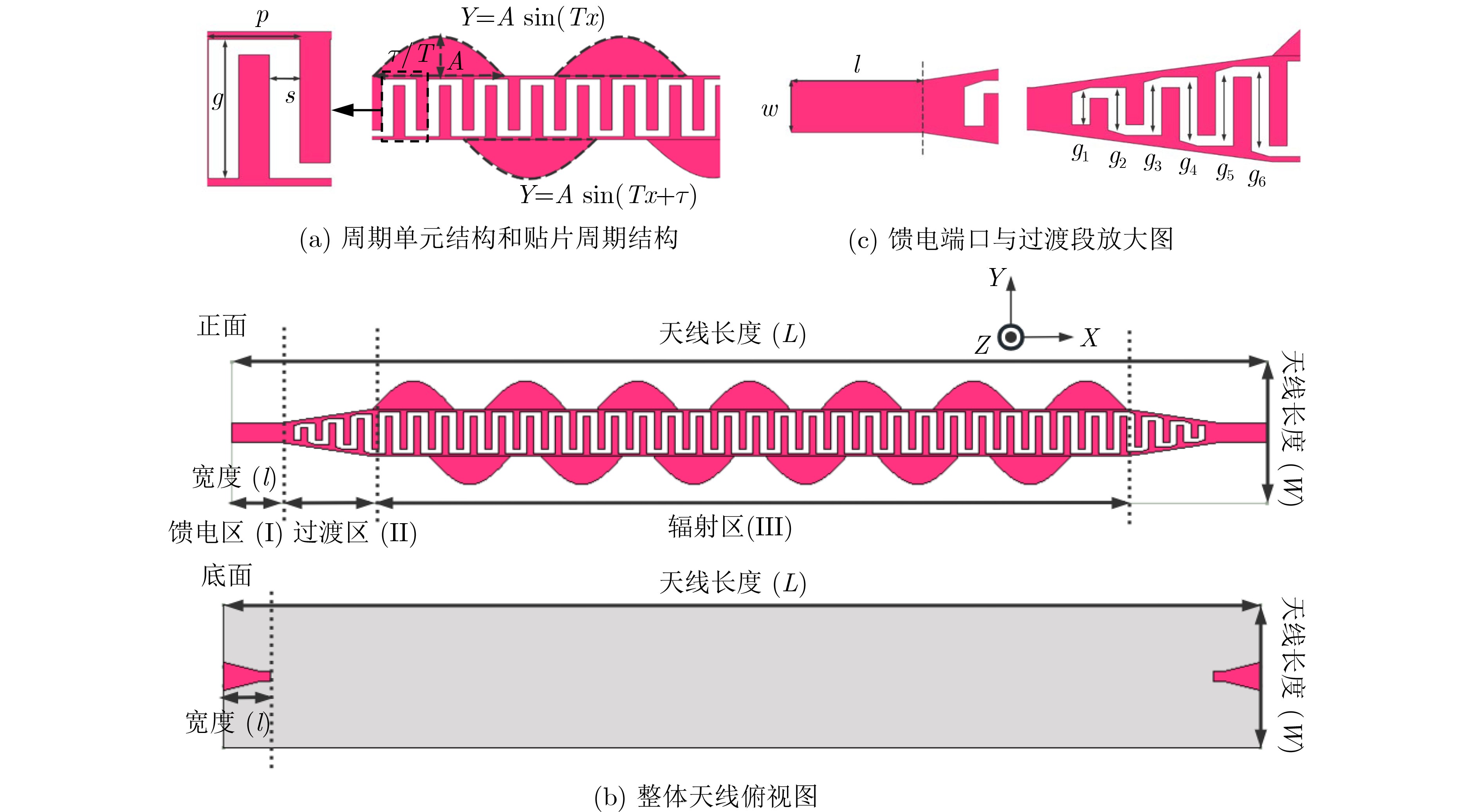
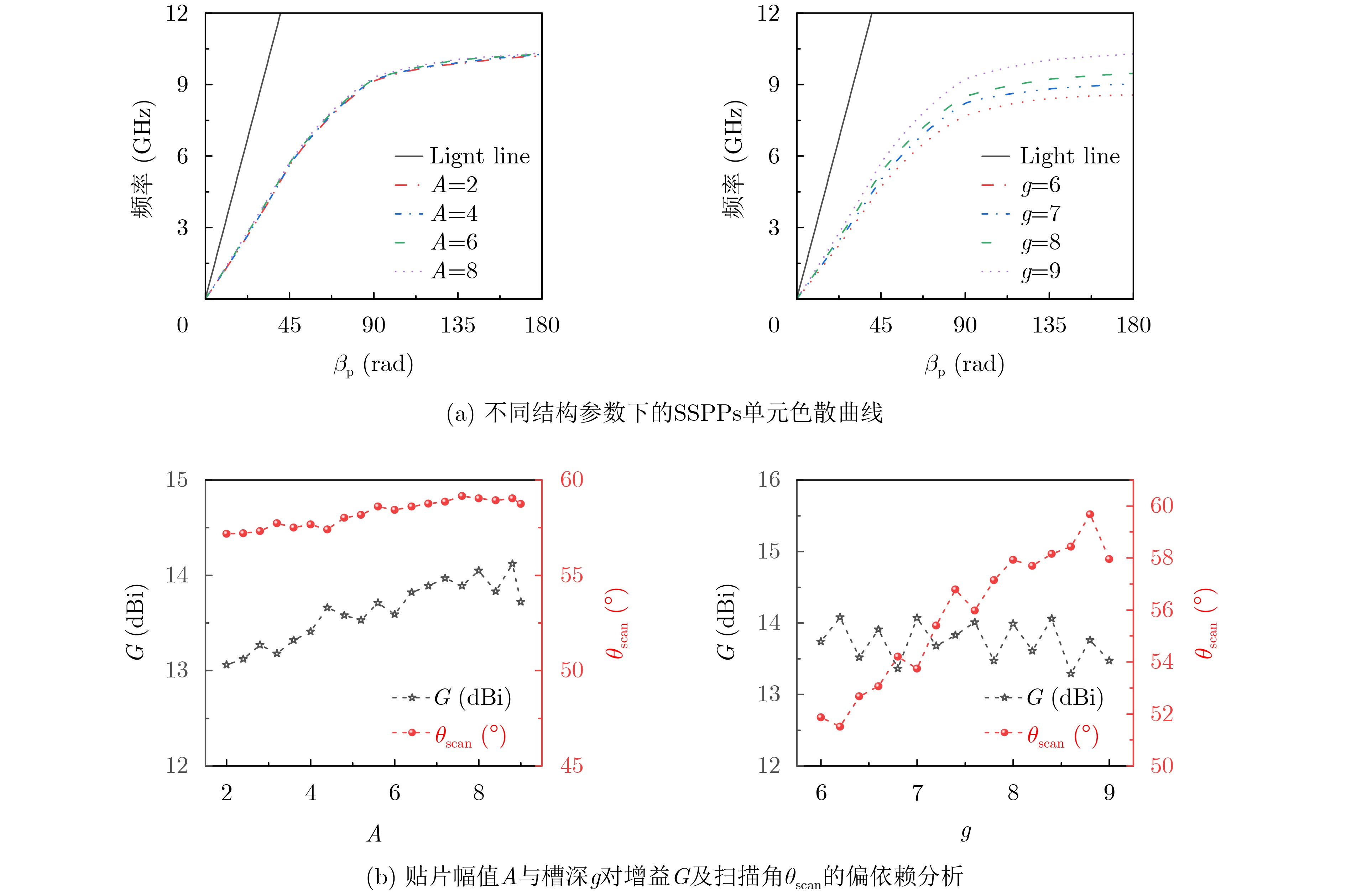
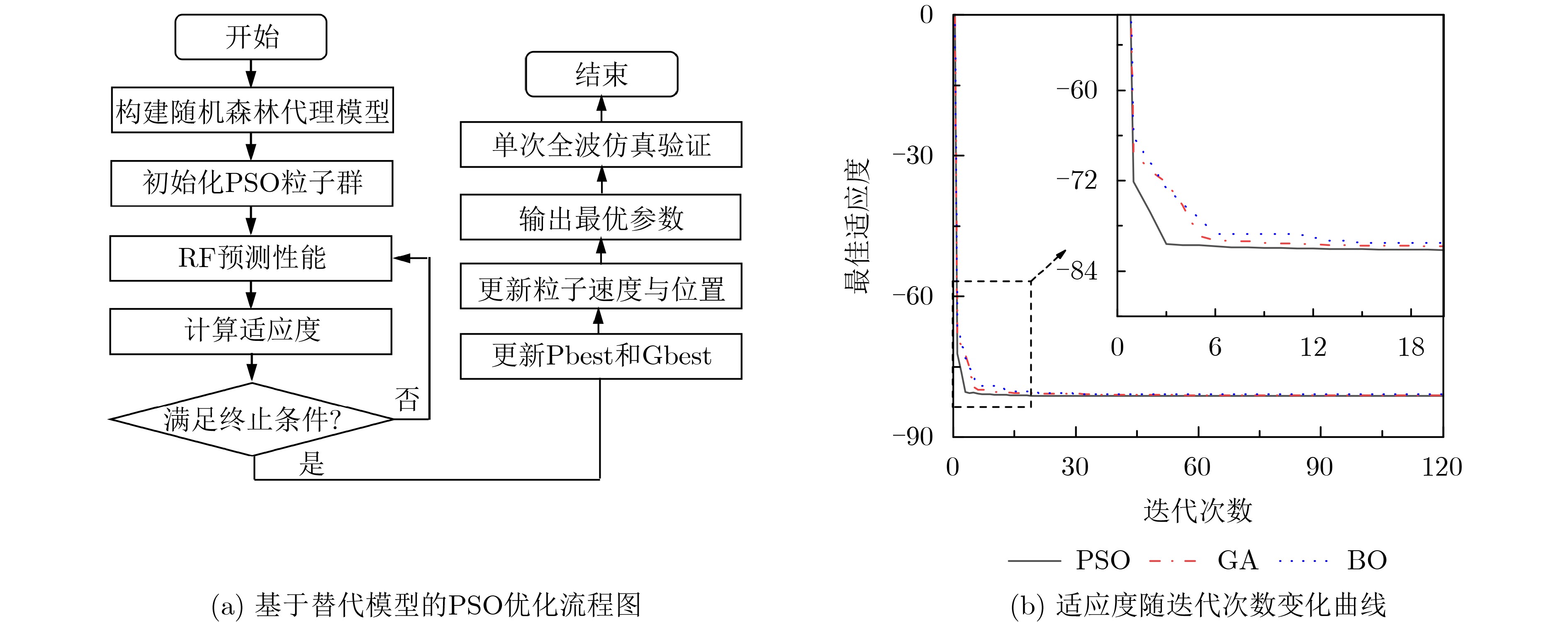
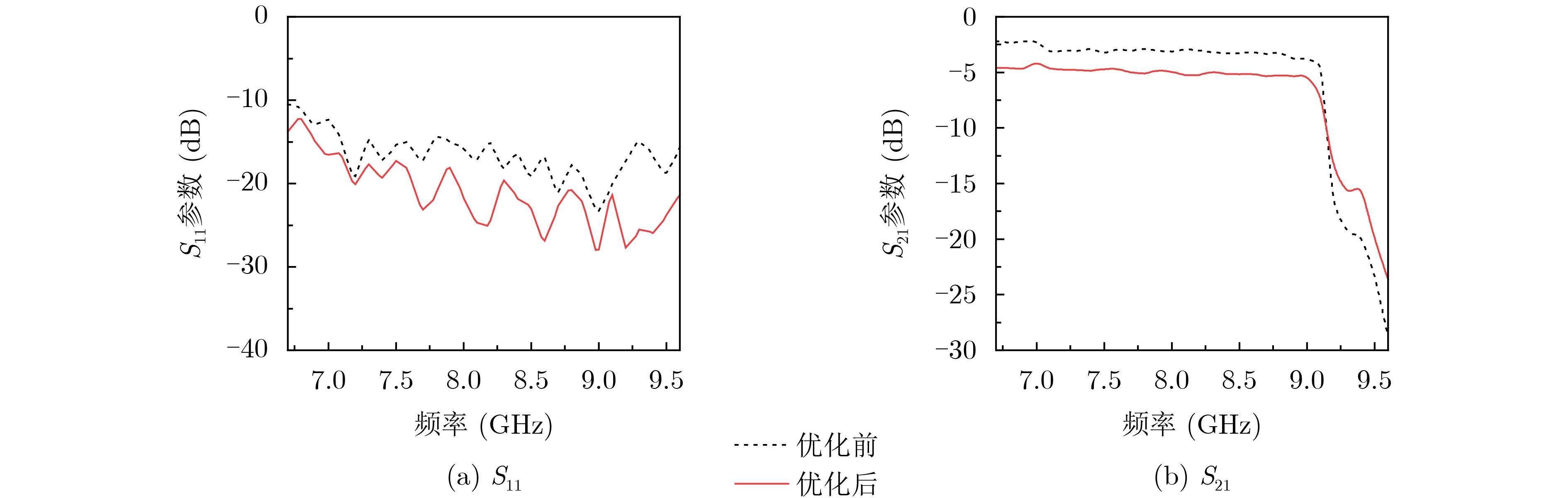
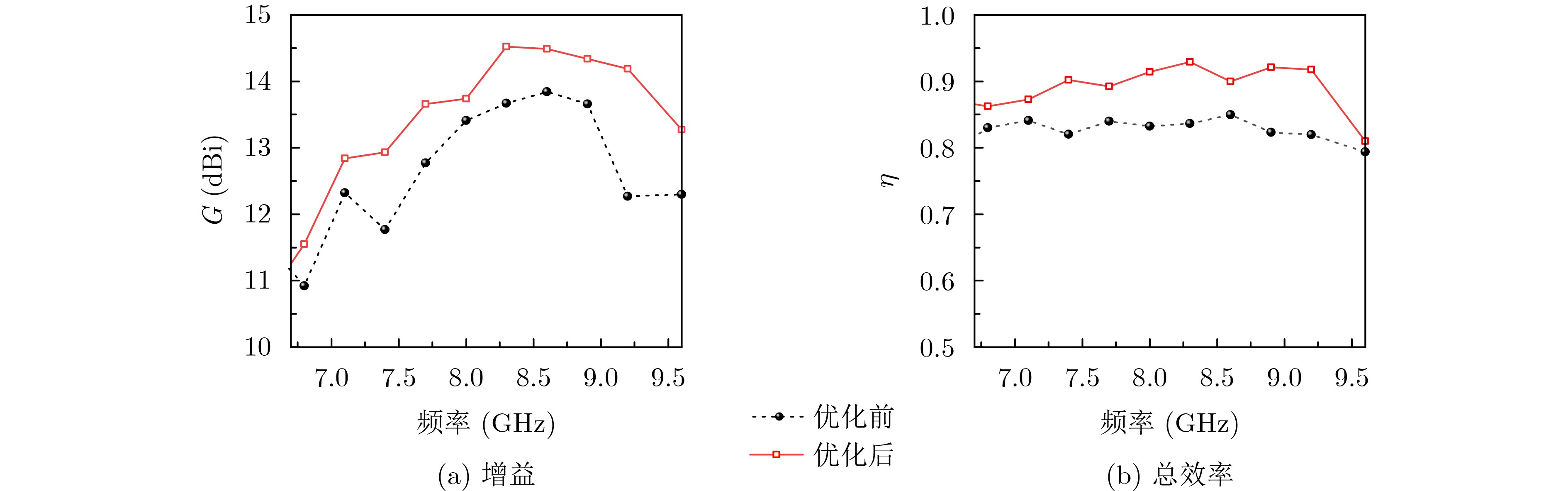
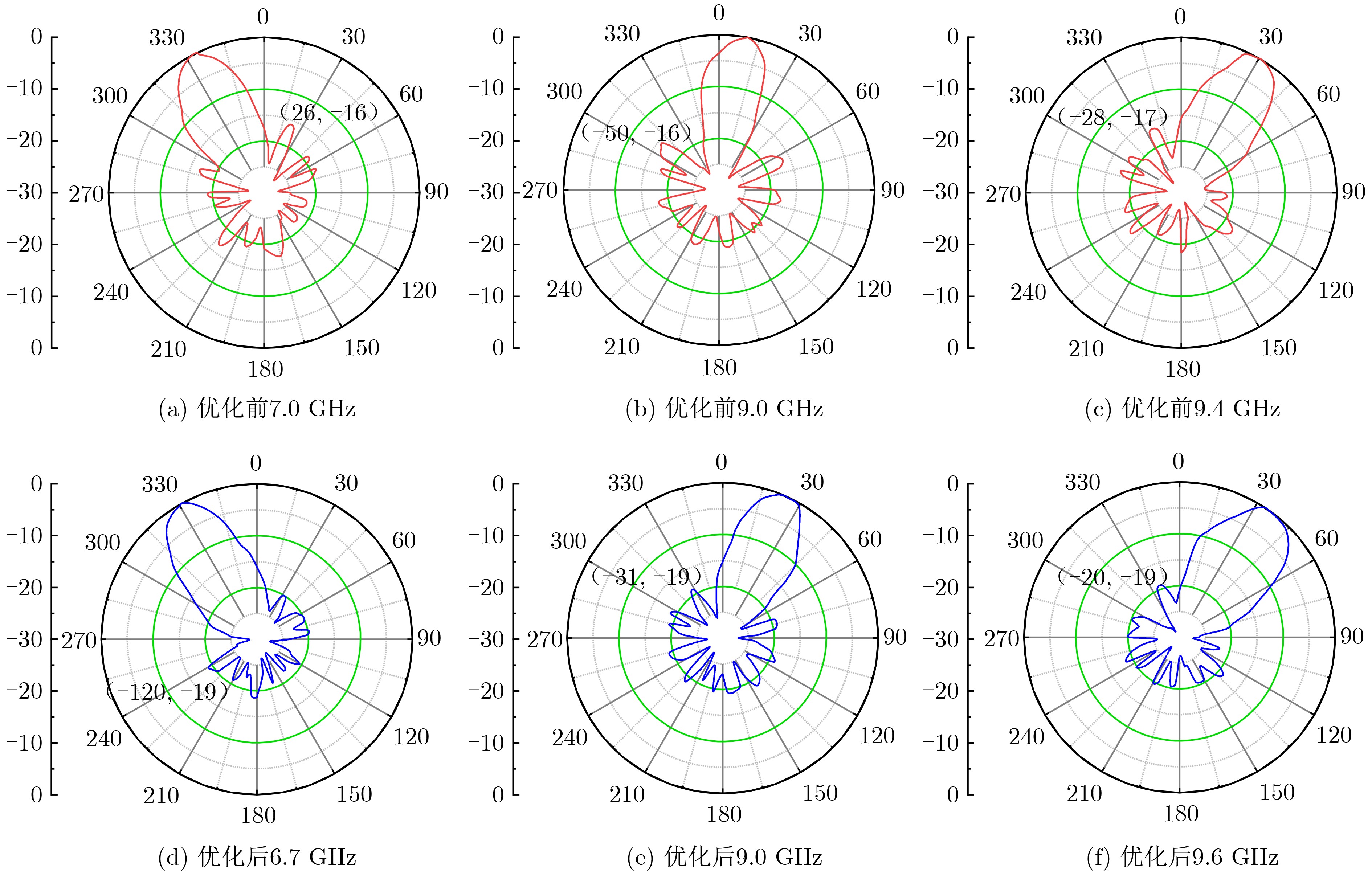
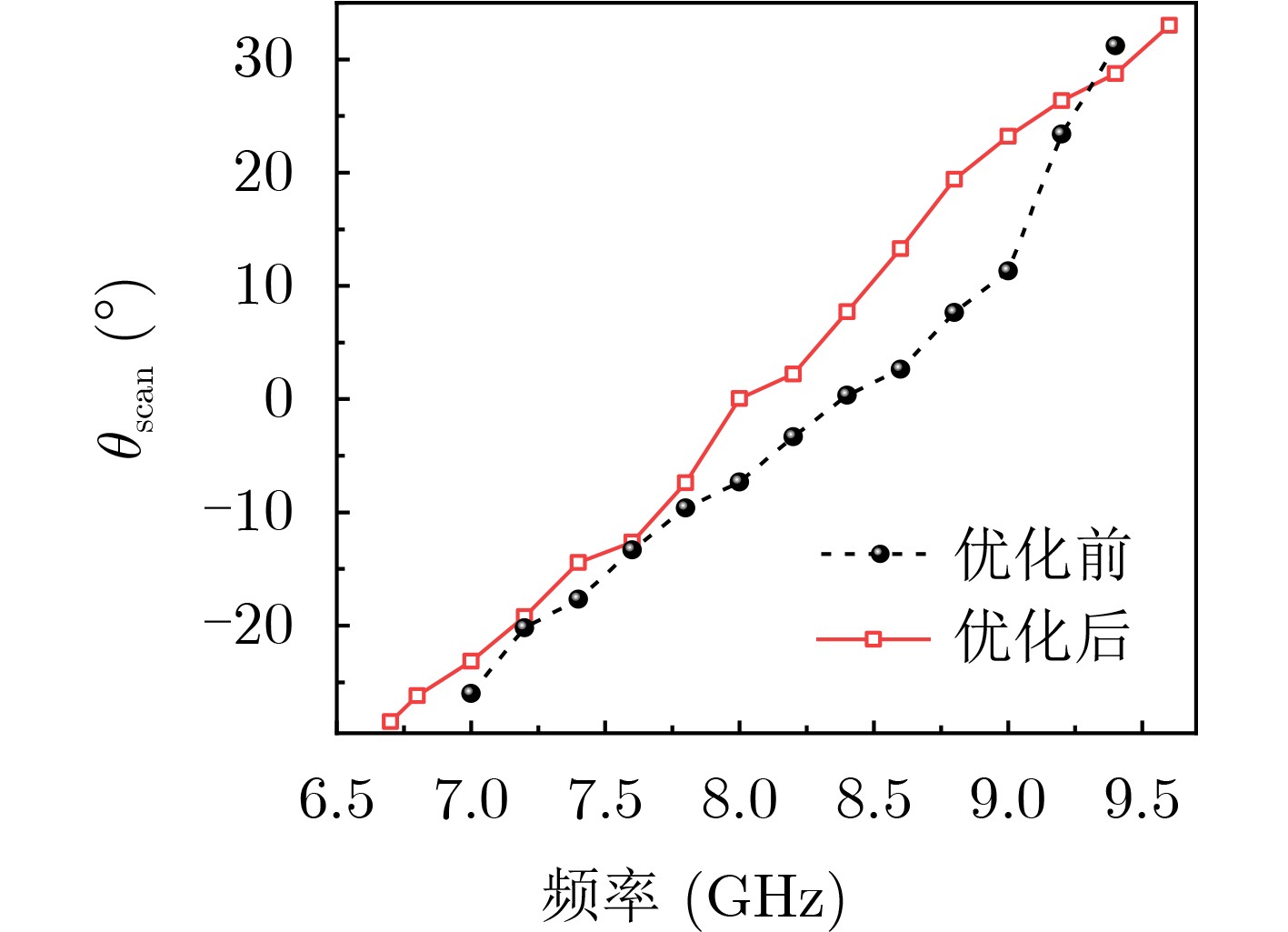
  •   Objective  Spoof surface plasmon polaritons (SSPPs) leaky-wave antennas feature low-profile configuration and inherent frequency-scanning capability, making them promising for modern radar, communication, and intelligent sensing systems. However, strong nonlinear coupling among geometric parameters makes traditional optimization computationally costly, as full-wave simulations require thousands of evaluations and often converge to suboptimal local solutions due to landscape complexity. The leakage dynamics in SSPPs—slow-wave propagation, spatial harmonic coupling, and leakage rate distribution—adds complexity beyond conventional designs. To address this, we propose a patch-sinusoidally modulated SSPPs leaky-wave antenna and a machine learning framework integrating a random forest surrogate with particle swarm optimization (PSO) for efficient high-dimensional global optimization with reduced cost.  Methods  Unlike conventional groove-depth modulation, our antenna maintains uniform groove depth and a complete metal ground. Patch arrays with sinusoidally varying widths are loaded on both sides of the transmission line, with envelope functions $ Y=A\sin (Tx) $ and $ Y=A\sin (Tx+\pi ) $, enabling flexible leakage control. The antenna is fully described by a nine-dimensional continuous parameter vector: groove width g, depth s, period p, six transition lengths g1–g6, port dimensions l and w, and modulation A, T. Using Latin hypercube sampling, 450 parameter samples are generated to ensure uniform coverage. Full-wave frequency-domain simulations (COMSOL, 9 GHz, approximately 27 min each) extract gain, S11, S21, scanning angle, side lobe level (SLL), and total efficiency. Four regression models—MLP, SVR, random forest (RF), and GPR—are systematically trained. RF employs bootstrap resampling with hyperparameters optimized via random search cross-validation (trees: 500–1200, depth: 12–24, min samples per split: 2–5). The trained RF surrogate is then embedded into PSO (40 particles, 120 iterations, inertia 0.72, c1=c2=1.5) with a weighted fitness function (G:1.5, η:0.7, SLL:0.55, S11:0.25, S21:0.7, θscan:0.18).  Results and Discussions  RF achieves the highest average R2 of 0.9554 across six outputs, outperforming GPR (0.9489), SVR (0.9212), and MLP (0.8952). For key radiation indicators, RF attains gain MAE of 0.032 dBi, SLL MAE of 0.168 dB, and efficiency MAE of 0.015. Scatter plots of predicted versus simulated values cluster tightly around the diagonal, and residual histograms show means near zero with no systematic bias, confirming excellent prediction accuracy and generalization. After RF-PSO optimization, full-wave simulation confirms substantial improvements: gain rises from 13.84 dBi to 14.52 dBi, SLL drops from –17 dB to –19 dB,peak total efficiency increases from 84.9% to 92.9%, S11 improves from –23.26 dB to –27.92 dB (4.66 dB), and scanning range expands from 57.2° to 61.5°. The scanning angle versus frequency curve exhibits good linearity across the operating band, and the two-dimensional far-field patterns show improved symmetry. The decrease in S21 (from –3.76 dB to –5.50 dB) together with the gain/efficiency increase indicates that more energy is effectively converted into radiation rather than being dissipated or reflected. Sensitivity analysis with ±2% perturbations (50 samples) shows all coefficients of variation (CV) below 1.3%: gain CV 0.21% (<±0.1 dBi), SLL CV 1.26% (±0.4 dB), efficiency CV 0.88% (±0.01), S11 CV 0.97%, S21 CV 0.91%, scan CV 0.37%. These fluctuations are far smaller than optimization gains, confirming excellent robustness under typical fabrication tolerances. Comparison with recent leaky-wave antennas (both SSPP-based and SIW) demonstrates superior SLL (−19 dB), competitive efficiency (89% vs. 94.95% and90% in prior SSPP work), and scanning range (61.5°) outperforming most single-port SSPP antennas (e.g., 20°, 16°, 33°, 13°). The number of full-wave simulations is reduced by approximately 90% (450 training + 1 validation vs. 4,800 simulations for conventional PSO).  Conclusions  This paper proposes a patch-sinusoidally modulated SSPPs leaky-wave antenna and an RF-assisted PSO framework for synergistic optimization in nine dimensions. The RF surrogate achieves an average R2 of 0.9554. The optimized antenna shows significantly improved performance across all metrics: gain by 0.68 dBi, SLL by 2 dB, efficiency by 8%, S11 by 4.66 dB, and scanning range by 4.29°, while maintaining compact dimensions. Sensitivity analysis confirms robustness under typical fabrication tolerances. The proposed methodology reduces the number of full-wave simulations by approximately 90%. This work marks a methodological advancement by introducing machine learning surrogate modeling into SSPPs leaky-wave antenna design for efficient high-dimensional optimization. Future work includes fabrication, experimental validation, extension to millimeter-wave bands, and reconfigurable antenna designs.
  • loading
  • [1]
    PENDRY J B, MARTIN-MORENO L, and GARCIA-VIDAL F J. Mimicking surface plasmons with structured surfaces[J]. Science, 2004, 305(5685): 847–848. doi: 10.1126/science.1098999.
    [2]
    GENG Junping, REN Chaofan, WANG Kun, et al. Spoof Surface Plasmon Polaritons Antenna[M]. Singapore: Springer, 2022: 13–31. doi: 10.1007/978-981-16-4721-5.
    [3]
    汤文轩, 张浩驰, 崔铁军. 人工表面等离激元及其在微波频段的应用[J]. 电子与信息学报, 2017, 39(1): 231–239. doi: 10.11999/JEIT160692.

    TANG Wenxuan, ZHANG Haochi, and CUI Tiejun. Spoof surface plasmon polariton and its applications to microwave frequencies[J]. Journal of Electronics & Information Technology, 2017, 39(1): 231–239. doi: 10.11999/JEIT160692.
    [4]
    黄至源, 张云华, 赵晓雯. 一种加载寄生缝隙的Ku波段圆极化漏波天线[J]. 电子与信息学报, 2025, 47(11): 4628–4636. doi: 10.11999/JEIT250347.

    HUANG Zhiyuan, ZHANG Yunhua, and ZHAO Xiaowen. A Ku-band circularly polarized leaky-wave antenna loaded with parasitic slots[J]. Journal of Electronics & Information Technology, 2025, 47(11): 4628–4636. doi: 10.11999/JEIT250347.
    [5]
    吴杰, 胡俊, 张忠祥, 等. 具有可重构特征的轨道角动量天线技术研究进展[J]. 电子与信息学报, 2024, 46(4): 1173–1185. doi: 10.11999/JEIT230847.

    WU Jie, HU Jun, ZHANG Zhongxiang, et al. Research progress of orbital angular momentum antenna technologies with reconfigurable characteristics[J]. Journal of Electronics & Information Technology, 2024, 46(4): 1173–1185. doi: 10.11999/JEIT230847.
    [6]
    WANG Min, WEI Gao, HAN Kangkang, et al. Leaky wave antenna with backfire to endfire beam-scanning capability based on even mode spoof surface plasmon polaritons[J]. Journal of Physics D: Applied Physics, 2024, 57(2): 025104. doi: 10.1088/1361-6463/ad005d.
    [7]
    YIN Jiayuan, CAO Xinyue, and DENG Jingya. Continuously beam-scanning leaky-wave antenna based on impedance-matched spoof surface plasmon polaritons[J]. IEEE Antennas and Wireless Propagation Letters, 2023, 22(9): 2080–2084. doi: 10.1109/LAWP.2023.3274818.
    [8]
    WU Zhicheng, WANG Jun, ZHAO Lei, et al. Full-space and high-scanning rate leaky-wave antenna based on spoof surface plasmon polaritons[J]. IEEE Antennas and Wireless Propagation Letters, 2024, 23(2): 693–697. doi: 10.1109/LAWP.2023.3333259.
    [9]
    王亨辉, 孙胜, 刘能武, 等. 基于双面平行带线的全空间扫描漏波天线[J]. 电子与信息学报, 2024, 46(2): 705–712. doi: 10.11999/JEIT230067.

    WANG Henghui, SUN Sheng, LIU Nengwu, et al. Double-sided parallel-strip line-based leaky-wave antenna with full-space beam scanning property[J]. Journal of Electronics & Information Technology, 2024, 46(2): 705–712. doi: 10.11999/JEIT230067.
    [10]
    SINGH P and HEGDE R S. Scalable deep Bayesian optimization for antenna design with high degrees of freedom[J]. IEEE Antennas and Wireless Propagation Letters, 2025, 24(11): 3986–3990. doi: 10.1109/LAWP.2025.3598331.
    [11]
    ZOU Hanhua, ZENG Sanyou, LI Changhe, et al. A survey of machine learning and evolutionary computation for antenna modeling and optimization: Methods and challenges[J]. Engineering Applications of Artificial Intelligence, 2024, 138: 109381. doi: 10.1016/j.engappai.2024.109381.
    [12]
    REN Bocong, LI Weiwen, QIN Zhaozhao, et al. Leaky wave antenna based on periodically truncated SSPP waveguide[J]. Plasmonics, 2020, 15(2): 551–558. doi: 10.1007/s11468-019-01081-x.
    [13]
    SIASIFAR M, KESHTKAR A, and AMIRI S. Optimum patch selection for wideband planar spoof surface plasmon polaritons Ku-band satellite receive antenna[C]. Proceedings of 2024 11th International Symposium on Telecommunications (IST), Tehran, Iran, 2024: 135–140. doi: 10.1109/IST64061.2024.10843596.
    [14]
    DAI Xiwang, FU Yanghui, RUAN Hanpeng, et al. Null frequency scanning leaky-wave antenna based on substrate integrated waveguide[J]. Microwave and Optical Technology Letters, 2025, 67(7): e70298. doi: 10.1002/mop.70298.
    [15]
    SHI Yanzhen, FAN Zhibo, CHEN Cong, et al. Wideband wide-angle SSPP-fed leaky-wave antenna with low side-lobe levels[J]. Applied Computational Electromagnetics Society Journal, 2024, 39(10): 916–926. doi: 10.13052/2024.ACES.J.391010.
    [16]
    ZOHREVAND S, KOMJANI N, and CHAYCHI ZADEH M A. An SSPP leaky-wave antenna with circular polarization based on the anisotropic holographic technique[J]. IEEE Antennas and Wireless Propagation Letters, 2023, 22(10): 2585–2589. doi: 10.1109/LAWP.2023.3298069.
    [17]
    WANG Shiquan, CHUNG K L, KONG Fanmin, et al. A simple circularly polarized beam-scanning antenna using modulated slotline-spoof surface plasmon polariton slow-wave transmission line[J]. IEEE Antennas and Wireless Propagation Letters, 2023, 22(5): 1109–1113. doi: 10.1109/LAWP.2022.3233677.
    [18]
    ZOHREVAND S, ZADEH M A C, and KOMJANI N. Holographic principle inspired metal-only spoof surface plasmon polariton leaky-wave antenna with circular polarization[C]. Proceedings of 2024 32nd International Conference on Electrical Engineering (ICEE), Tehran, Iran, 2024: 1–5. doi: 10.1109/ICEE63041.2024.10668253.
    [19]
    WANG Tushun, LIU Leilei, NI Hao, et al. A full-angle scanning leaky wave antenna based on odd-mode SSPP from backfire to endfire[J]. IEEE Transactions on Antennas and Propagation, 2023, 71(11): 8570–8579. doi: 10.1109/TAP.2023.3311612.
    [20]
    SANTI B K, PANDA D C, RAUT B, et al. A wide-angle scanning leaky-wave antenna based on SSPP with stable gain[C]. Proceedings of 2024 IEEE Calcutta Conference (CALCON), Kolkata, India, 2024: 1–4. doi: 10.1109/CALCON63337.2024.10914096.
  • 加载中

Catalog

    通讯作者: 陈斌, bchen63@163.com
    • 1. 

      沈阳化工大学材料科学与工程学院 沈阳 110142

    1. 本站搜索
    2. 百度学术搜索
    3. 万方数据库搜索
    4. CNKI搜索

    Figures(8)  / Tables(6)

    Article Metrics

    Article views (80) PDF downloads(2) Cited by()
    Proportional views
    Related

    /

    DownLoad:  Full-Size Img  PowerPoint
    Return
    Return