Advanced Search
Turn off MathJax
Article Contents
NIE Tong, WANG Bowen, CHEN Ruirui, ZHANG Guowei, JI Renxin. Time-Frequency Resource Optimization Method for UAV-Assisted IAB Networks in Complex Building Emergency Scenarios[J]. Journal of Electronics & Information Technology. doi: 10.11999/JEIT260339
Citation: NIE Tong, WANG Bowen, CHEN Ruirui, ZHANG Guowei, JI Renxin. Time-Frequency Resource Optimization Method for UAV-Assisted IAB Networks in Complex Building Emergency Scenarios[J]. Journal of Electronics & Information Technology. doi: 10.11999/JEIT260339

Time-Frequency Resource Optimization Method for UAV-Assisted IAB Networks in Complex Building Emergency Scenarios

doi: 10.11999/JEIT260339 cstr: 32379.14.JEIT260339
Funds:  The National Natural Science Foundation of China (62571530), Jiangsu Young Elite Scientists Sponsorship Program (JSTJ-2025-053), Shenzhen Science and Technology Program (KCXFZ20240903094204007)
  • Received Date: 2026-03-25
  • Accepted Date: 2026-10-10
  • Rev Recd Date: 2026-10-09
  • Available Online: 2026-10-19
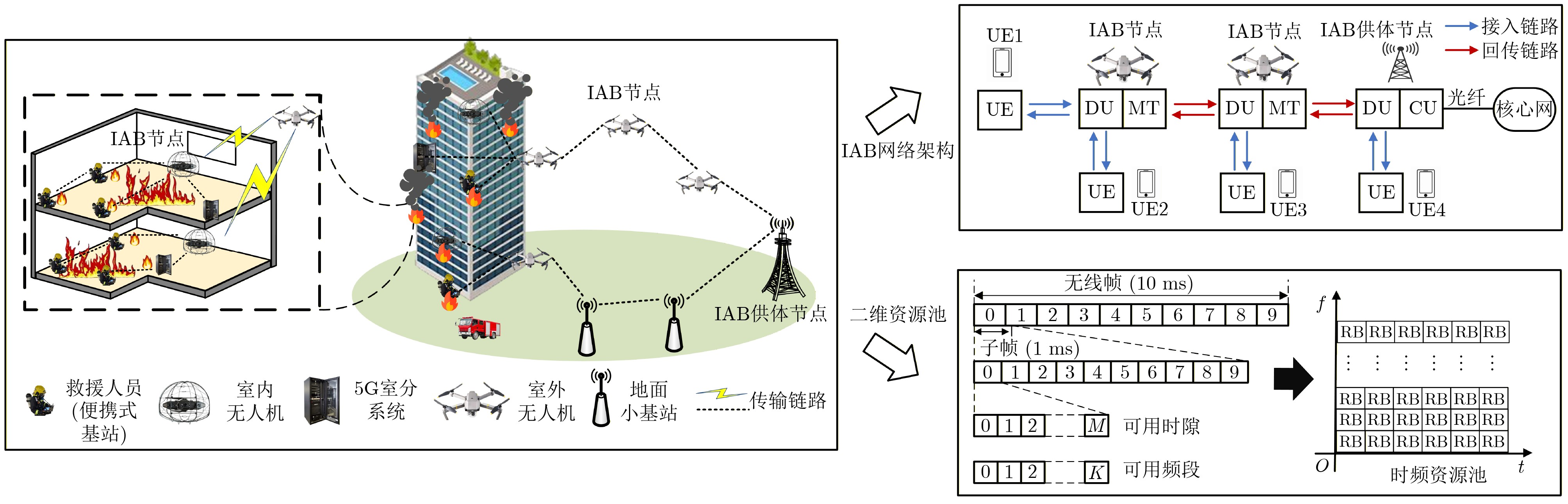
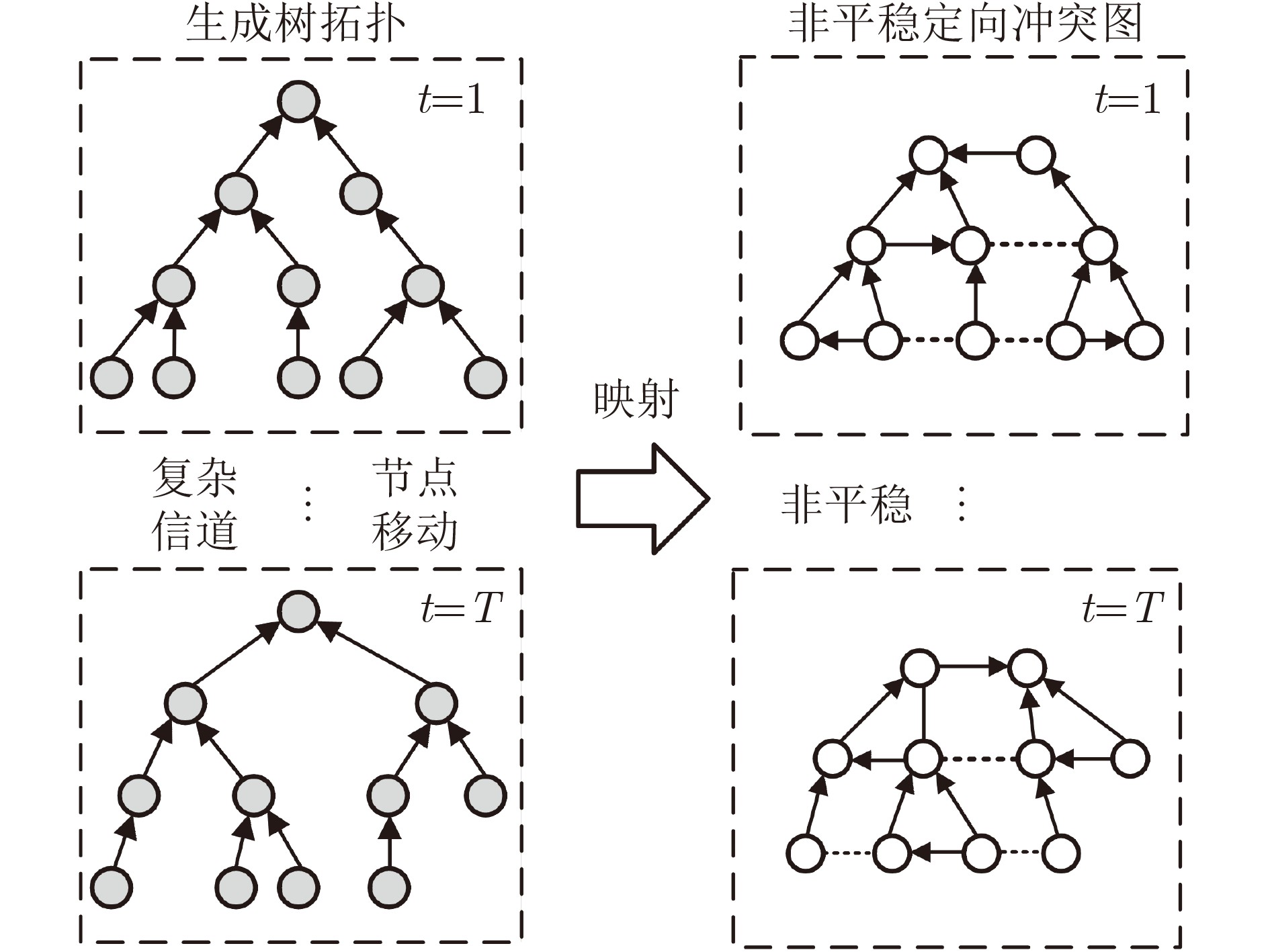
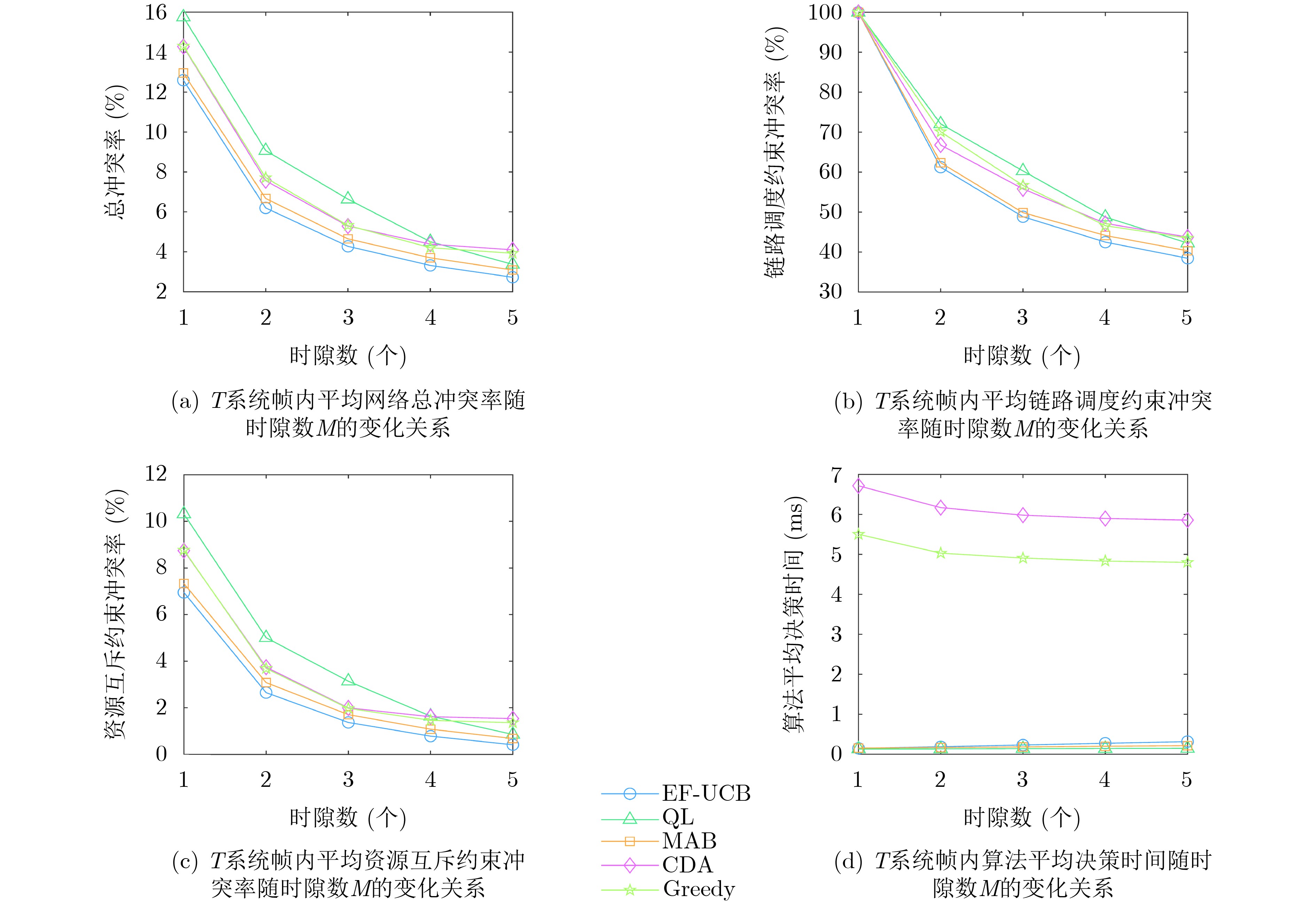
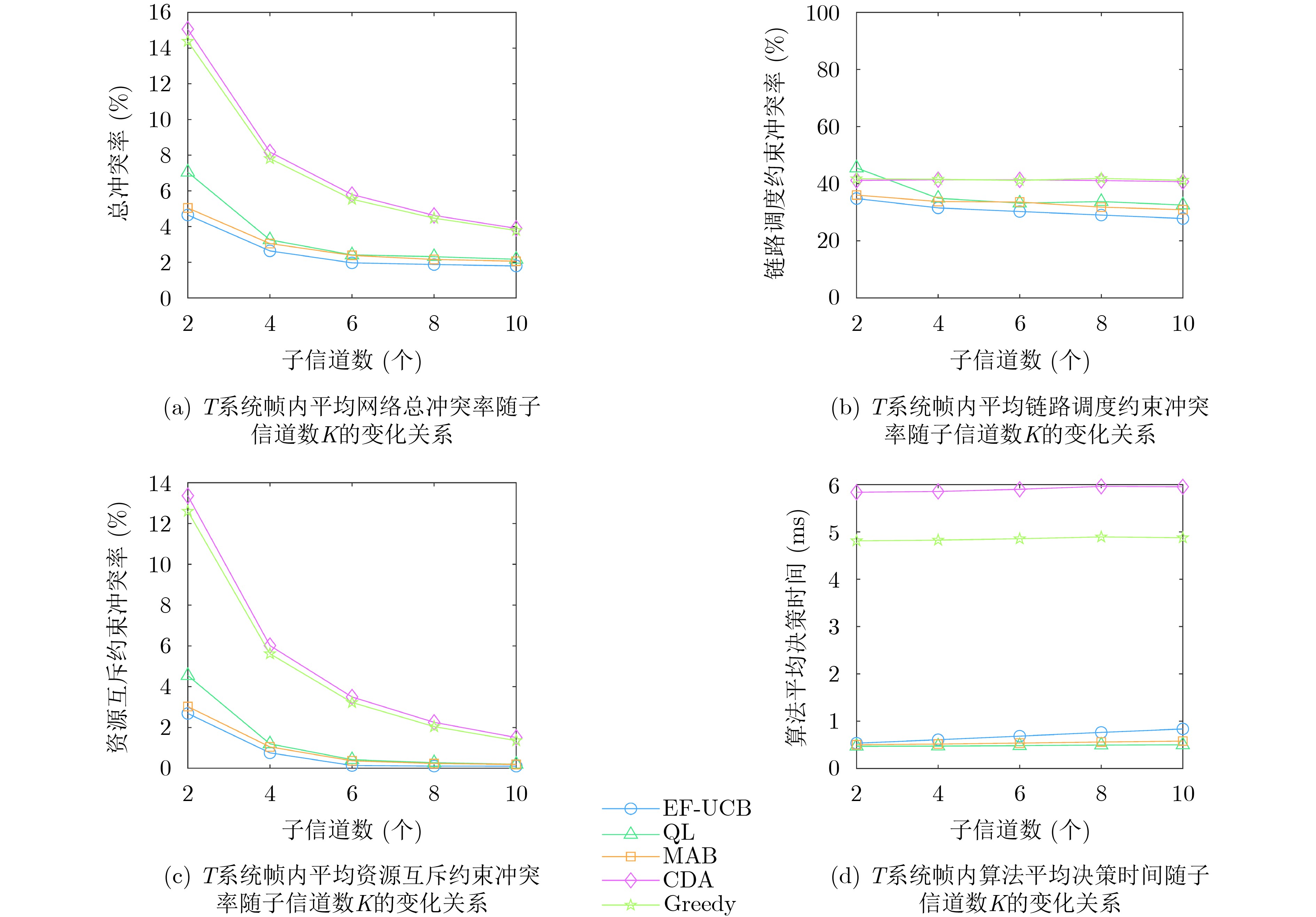
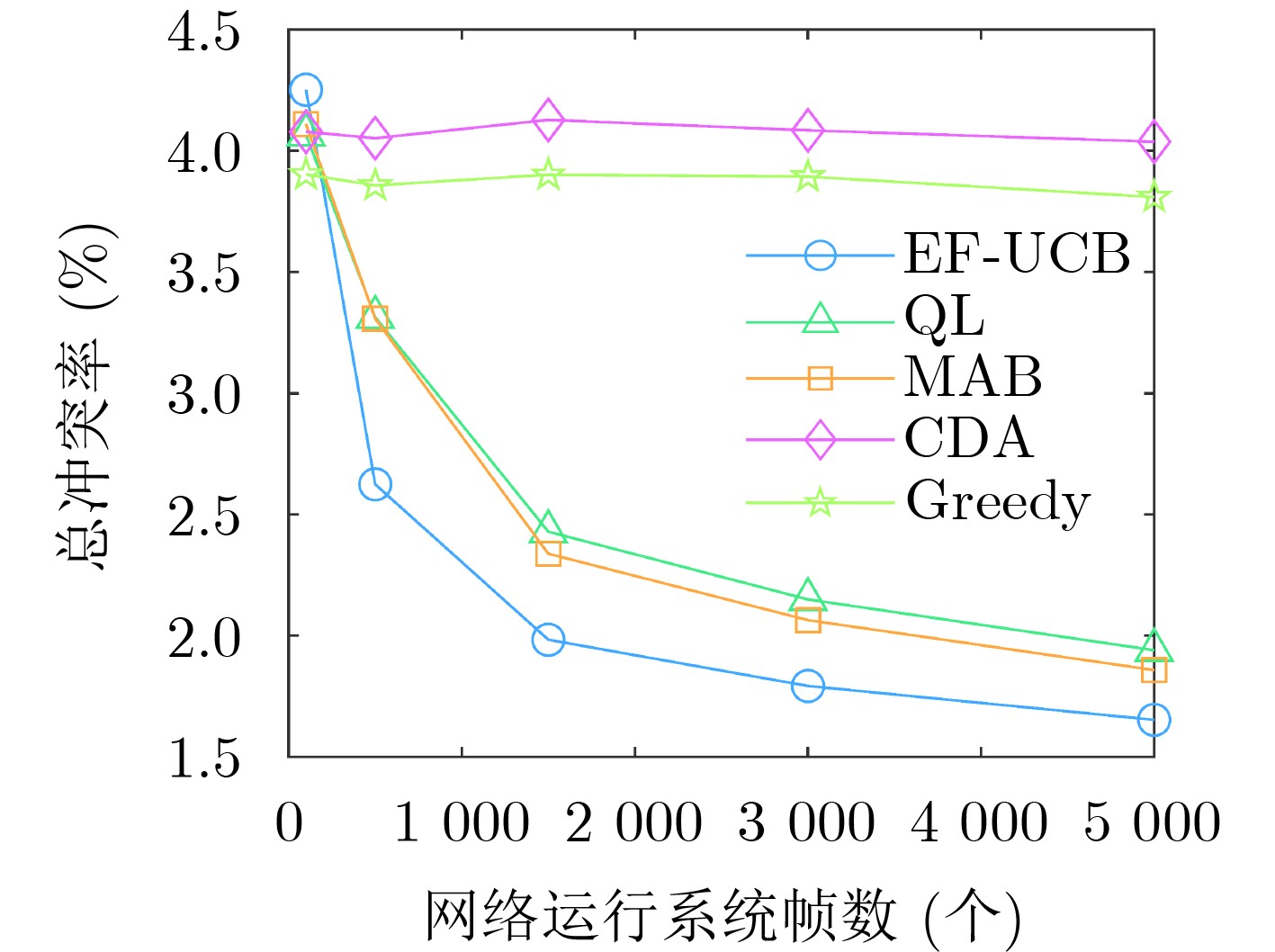
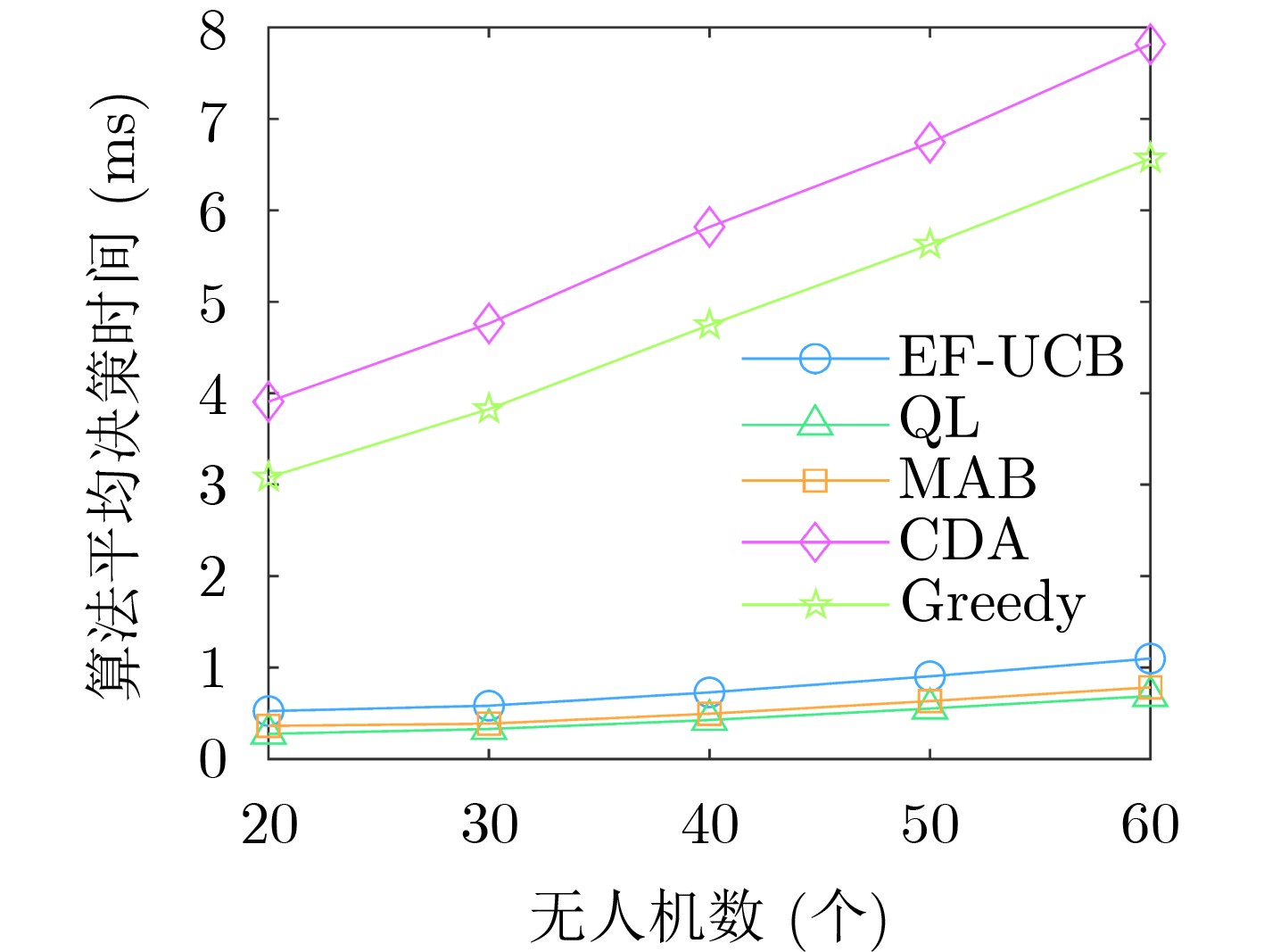
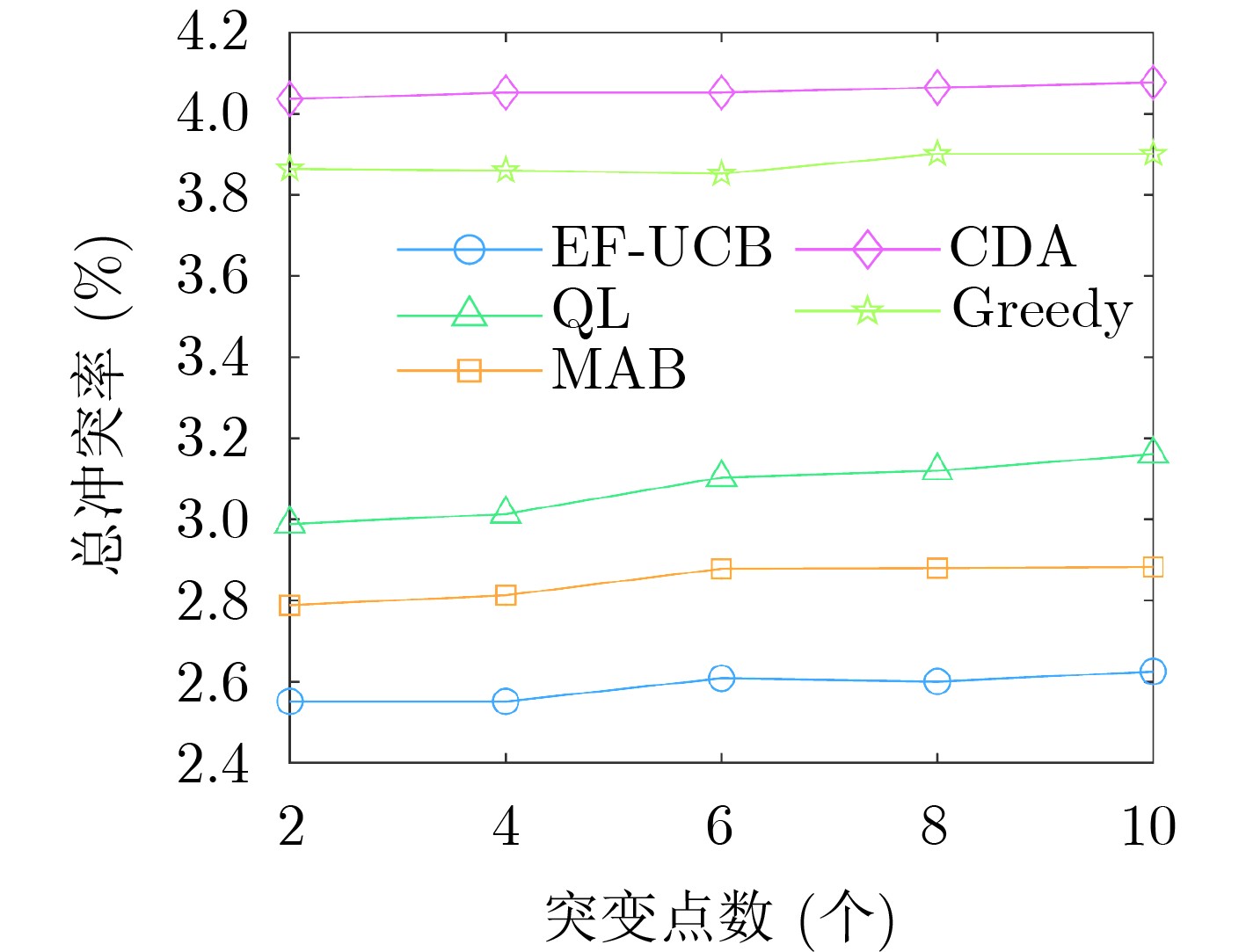
  •   Objective  Disasters in complex, high-rise, and ultra-high-rise buildings occur frequently in China, and their incidence has continued to rise. This trend creates an urgent need for emergency rescue command systems adapted to these environments. The complex structures of these buildings can severely attenuate wireless signals, creating communication blind spots at indoor-outdoor transitions and floor boundaries. To address these coverage limitations, the deployment of “dual-use” emergency communication networks designed for both routine operations and disaster response has become an important strategy for improving urban safety and resilience. Unmanned Aerial Vehicles (UAVs), with their lightweight design, high payload capacity, and mobility, provide a reliable platform for deploying these networks. However, UAV-assisted networks in complex building emergency scenarios remain constrained by limited network coverage and backhaul link capacity. Integrated Access and Backhaul (IAB) technology offers a potential architectural solution by supporting wireless access and backhaul over shared spectrum resources. Nevertheless, deploying UAV-assisted IAB networks in emergency scenarios remains challenging. Concurrent user access creates localized traffic surges, while partial infrastructure damage further intensifies network interference. Dense node deployment, high UAV mobility, and complex channel conditions also cause interference relationships to vary over time and become non-stationary. Existing resource allocation methods generally assume stationary environments. Therefore, their allocation decisions may become mismatched with the evolving network topology and interference structure. This study therefore proposes a joint time-frequency resource optimization method to reduce network conflicts under time-varying and non-stationary interference conditions.  Methods  A segmented composite channel model is established to characterize electromagnetic propagation in complex buildings affected by disasters. The model accounts for line-of-sight links between IAB nodes within indoor or outdoor environments, as well as penetration links between indoor and outdoor nodes. To capture abrupt changes in channel conditions caused by complex environmental factors, a Rician small-scale fading model is introduced. The Rician factor is assumed to follow a piecewise-constant probability distribution, with abrupt changes at selected system frames and constant values between change points. Graph theory is then used to represent the time-varying network topology and interference relationships as a non-stationary directed conflict graph. Communication links are modeled as vertices, and interference relationships are represented as edges. Two types of constraints are modeled: link-scheduling constraints and resource mutual-exclusion constraints. The joint time-frequency resource allocation problem is subsequently formulated as a non-stationary directed dual-graph coloring problem. A minimum-conflict optimization model with soft constraints is developed, in which both constraint types are incorporated as penalty terms in the objective function. An Exponential Forgetting Upper Confidence Bound (EF-UCB) algorithm is proposed within a multi-player Multi-Armed Bandit (MAB) framework to solve this problem. Each communication link is treated as an independent player, and each joint time-frequency resource combination is treated as an available action. An exponential forgetting mechanism updates historical action counts and accumulated rewards. By assigning exponentially decreasing weights to past observations through a forgetting factor, the algorithm reduces the influence of outdated information and supports adaptive, distributed online decision-making under non-stationary interference conditions.  Results and Discussions  The proposed EF-UCB algorithm is evaluated through Monte Carlo simulations in a three-dimensional emergency scenario involving complex buildings and compared with the Greedy algorithm, the Color Diffusion Algorithm (CDA), Q-Learning (QL), and an ε-greedy-based MAB algorithm. Simulation results show that increasing the number of time slots reduces all three evaluated metrics: the link-scheduling constraint conflict rate, the resource mutual-exclusion constraint conflict rate, and the average total network conflict rate (Fig. 3). As the number of subchannels increases, the resource mutual-exclusion constraint conflict rate and the average total network conflict rate also decrease, whereas the link-scheduling constraint conflict rate changes relatively little (Fig. 4). Across the tested resource configurations, EF-UCB achieves the lowest average total network conflict rate among the compared algorithms (Figs. 3 and 4). In terms of computational efficiency, EF-UCB completes online decisions at the millisecond scale and has a shorter average decision time than the Greedy and CDA algorithms (Figs. 3 and 4). As the number of UAVs increases, the average decision time of EF-UCB remains relatively low and rises only slightly, indicating good scalability for dense emergency deployments (Fig. 6). Compared with the other learning-based methods, EF-UCB reduces the average total network conflict rate more rapidly as the number of system frames increases (Fig. 5). When the number of environmental change points increases, EF-UCB exhibits the smallest increase in the average total network conflict rate among the compared algorithms (Fig. 7). The exponential forgetting mechanism downweights outdated observations, enabling EF-UCB to adapt more effectively to increasingly non-stationary interference conditions (Fig. 7).  Conclusions  This study addresses the joint time-frequency resource optimization problem for UAV-assisted IAB networks subject to time-varying and non-stationary interference in complex building emergency scenarios. By integrating a segmented composite channel model with a non-stationary directed dual-graph coloring framework, the proposed method represents the propagation characteristics and dynamic interference relationships of these environments within a unified resource allocation framework. The EF-UCB algorithm uses exponential forgetting to reduce the influence of outdated observations and adapt resource allocation to changing interference conditions. Simulation results demonstrate that the proposed method reduces the average total network conflict rate while maintaining relatively low computational complexity and short average decision times. Its polynomial per-frame time complexity further supports online decisions within a single system frame. These results indicate that the proposed method can support timely resource allocation in UAV-assisted emergency communication networks operating under non-stationary interference conditions.
  • loading
  • [1]
    KIM T Y, PARK J, KANG J, et al. Multiagent deep reinforcement learning for joint movement and user association of UAV-BS emergency indoor user service[J]. IEEE Internet of Things Journal, 2026, 13(1): 1402–1422. doi: 10.1109/JIOT.2025.3629374.
    [2]
    王威, 朱峻佚, 王国盛, 等. 城市地下空间“平急两用”规划建设思路与路径研究[J]. 中国工程科学, 2025, 27(4): 82–94. doi: 10.15302/J-SSCAE-2025.04.001.

    WANG Wei, ZHU Junyi, WANG Guosheng, et al. Urban underground space planning idea and path based on a “dual-use” concept[J]. Strategic Study of CAE, 2025, 27(4): 82–94. doi: 10.15302/J-SSCAE-2025.04.001.
    [3]
    陈新颖, 盛敏, 李博, 等. 面向6G的无人机通信综述[J]. 电子与信息学报, 2022, 44(3): 781–789. doi: 10.11999/JEIT210789.

    CHEN Xinying, SHENG Min, LI Bo, et al. Survey on unmanned aerial vehicle communications for 6G[J]. Journal of Electronics & Information Technology, 2022, 44(3): 781–789. doi: 10.11999/JEIT210789.
    [4]
    胡杨林, 张天魁, 李博, 等. 无人机使能的通信感知一体化组网与技术研究综述[J]. 电子与信息学报, 2025, 47(4): 859–875. doi: 10.11999/JEIT241116.

    HU Yanglin, ZHANG Tiankui, LI Bo, et al. A survey on UAV-enabled integrated sensing and communication networking and technologies[J]. Journal of Electronics & Information Technology, 2025, 47(4): 859–875. doi: 10.11999/JEIT241116.
    [5]
    ZHENG Xiaoya, SUN Geng, LI Jiahui, et al. UAV swarm-enabled collaborative post-disaster communications in low altitude economy via a two-stage optimization approach[J]. IEEE Transactions on Mobile Computing, 2025, 24(11): 11833–11851. doi: 10.1109/TMC.2025.3583510.
    [6]
    金飞鸿, 张静, 谢亚琴. 用户需求差异化场景下信息年龄优先的多无人机部署及资源分配方法[J]. 电子与信息学报, 2026, 48(1): 253–263. doi: 10.11999/JEIT251062.

    JIN Feihong, ZHANG Jing, and XIE Yaqin. AoI-prioritized multi-UAV deployment and resource allocation method in scenarios with differentiated user requirements[J]. Journal of Electronics & Information Technology, 2026, 48(1): 253–263. doi: 10.11999/JEIT251062.
    [7]
    初航, 董志浩, 曹杰, 等. 面向无人机辅助电力巡检的短包通信资源优化[J]. 电子与信息学报, 2026, 48(1): 78–85. doi: 10.11999/JEIT250852.

    CHU Hang, DONG Zhihao, CAO Jie, et al. Optimization of short packet communication resources for UAV assisted power inspection[J]. Journal of Electronics & Information Technology, 2026, 48(1): 78–85. doi: 10.11999/JEIT250852.
    [8]
    闫莉, 岳涛, 方旭明. 铁路应急场景下无人机通信感知一体化无线网络资源智能分配算法[J]. 电子与信息学报, 2024, 46(9): 3510–3519. doi: 10.11999/JEIT240254.

    YAN Li, YUE Tao, and FANG Xuming. Intelligent wireless resource allocation algorithm for unmanned aerial vehicle integrated communication and sensing networks in railway emergency scenarios[J]. Journal of Electronics & Information Technology, 2024, 46(9): 3510–3519. doi: 10.11999/JEIT240254.
    [9]
    DENG Jikang, ZHOU Hui, and ALOUINI M S. Two-timescale optimization framework for IAB-enabled heterogeneous UAV networks[J]. IEEE Internet of Things Journal, 2026, 13(2): 3536–3551. doi: 10.1109/JIOT.2025.3634466.
    [10]
    焦慧颖, 张莉, 李红阳. 无线接入回传一体化关键技术及标准化进展[J]. 移动通信, 2022, 46(2): 13–18. doi: 10.3969/j.issn.1006-1010.2022.02.003.

    JIAO Huiying, ZHANG Li, and LI Hongyang. Key technologies and standardization of NR IAB[J]. Mobile Communications, 2022, 46(2): 13–18. doi: 10.3969/j.issn.1006-1010.2022.02.003.
    [11]
    WEN Chaokai, TSAI L S, SHOJAEIFARD A, et al. Shaping a smarter electromagnetic landscape: IAB, NCR, and RIS in 5G standard and future 6G[J]. IEEE Communications Standards Magazine, 2024, 8(1): 72–78. doi: 10.1109/MCOMSTD.0008.2300036.
    [12]
    CHUKHNO O, CHUKHNO N, PIZZI S, et al. Mission-critical connectivity enhanced by IAB in beyond 5G: Interplay of sidelink, directional unicasting, and multicasting[J]. IEEE Open Journal of the Communications Society, 2023, 4: 1826–1838. doi: 10.1109/OJCOMS.2023.3304022.
    [13]
    SHENG Min, ZHANG Yaqian, LIU Junyu, et al. Enabling integrated access and backhaul in dynamic aerial-terrestrial networks for coverage enhancement[J]. IEEE Transactions on Wireless Communications, 2024, 23(8): 9072–9084. doi: 10.1109/TWC.2024.3358296.
    [14]
    ZHANG Hongyi, QI Zhiqiang, LI Jingya, et al. 5G network on wings: A deep reinforcement learning approach to the UAV-based integrated access and backhaul[J]. IEEE Transactions on Machine Learning in Communications and Networking, 2024, 2: 1109–1126. doi: 10.1109/TMLCN.2024.3442771.
    [15]
    ZHANG Hongyi, LI Jingya, QI Zhiqiang, et al. Autonomous navigation and configuration of integrated access backhauling for UAV base station using reinforcement learning[C]. 2022 IEEE Future Networks World Forum (FNWF), Montreal, Canada, 2022: 184–189. doi: 10.1109/FNWF55208.2022.00040.
    [16]
    ZHANG Yongqiang, KISHK M A, and ALOUINI M S. Energy-efficient optimization in aerial IAB networks for emergency communications[J]. IEEE Transactions on Aerospace and Electronic Systems, 2025, 61(2): 4614–4626. doi: 10.1109/TAES.2024.3513278.
    [17]
    ZHANG Jiuzhou, HUO Wei, CHEN Xiaomeng, et al. Remote state estimation with discounted multi-armed bandits for non-stationary channel selection[J]. IEEE Control Systems Letters, 2025, 9: 787–792. doi: 10.1109/LCSYS.2025.3578934.
    [18]
    YE Shuai, WANG Tianyu, and WANG Shaowei. Dynamic spectrum access in non-stationary environments: A Thompson sampling based method[C]. GLOBECOM 2022–2022 IEEE Global Communications Conference, Rio de Janeiro, Brazil, 2022: 3989–3994. doi: 10.1109/GLOBECOM48099.2022.10000684.
    [19]
    ZHANG Yongqiang, KISHK M A, and ALOUINI M S. A survey on integrated access and backhaul networks[J]. Frontiers in Communications and Networks, 2021, 2: 647284. doi: 10.3389/frcmn.2021.647284.
    [20]
    SHAKHATREH H, KHREISHAH A, and JI Bo. Providing wireless coverage to high-rise buildings using UAVs[C]. 2017 IEEE International Conference on Communications (ICC), Paris, France, 2017: 1–6. doi: 10.1109/ICC.2017.7997403.
    [21]
    YUAN Long, QIN Lu, LIN Xuemin, et al. Effective and efficient dynamic graph coloring[J]. Proceedings of the VLDB Endowment, 2017, 11(3): 338–351. doi: 10.14778/3157794.3157802.
    [22]
    孙彦景, 李林, 王博文, 等. 灾后无人机自组网高动态多信道TDMA调度算法[J]. 西安电子科技大学学报, 2024, 51(2): 56–67. doi: 10.19665/j.issn1001-2400.20230414.

    SUN Yanjing, LI Lin, WANG Bowen, et al. Highly dynamic multi-channel TDMA scheduling algorithm for the UAV ad hoc network in post-disaster[J]. Journal of Xidian University, 2024, 51(2): 56–67. doi: 10.19665/j.issn1001-2400.20230414.
    [23]
    MOHAMED E M, ALNAKHLI M, HASHIMA S, et al. Distribution of multi mmWave UAV mounted RIS using budget constraint multi-player MAB[J]. Electronics, 2023, 12(1): 12. doi: 10.3390/electronics12010012.
  • 加载中

Catalog

    通讯作者: 陈斌, bchen63@163.com
    • 1. 

      沈阳化工大学材料科学与工程学院 沈阳 110142

    1. 本站搜索
    2. 百度学术搜索
    3. 万方数据库搜索
    4. CNKI搜索

    Figures(7)  / Tables(2)

    Article Metrics

    Article views (92) PDF downloads(12) Cited by()
    Proportional views
    Related

    /

    DownLoad:  Full-Size Img  PowerPoint
    Return
    Return