Advanced Search
Turn off MathJax
Article Contents
LIU Bin, ZHONG Lu, FENG Quanyuan, CHEN Yihong. An Inverse-Hybrid-Modeling Digital Twin System for Natural Gas Energy Metrology[J]. Journal of Electronics & Information Technology. doi: 10.11999/JEIT260289
Citation: LIU Bin, ZHONG Lu, FENG Quanyuan, CHEN Yihong. An Inverse-Hybrid-Modeling Digital Twin System for Natural Gas Energy Metrology[J]. Journal of Electronics & Information Technology. doi: 10.11999/JEIT260289

An Inverse-Hybrid-Modeling Digital Twin System for Natural Gas Energy Metrology

doi: 10.11999/JEIT260289 cstr: 32379.14.JEIT260289
Funds:  The Project supported by the National Natural Science Foundation of China, (62531021), Sichuan Province Central Universities and Research Institutes Science and Technology Achievement Transformation Project, (2025ZHCG0008)
  • Received Date: 2026-03-16
  • Accepted Date: 2026-04-23
  • Rev Recd Date: 2026-04-22
  • Available Online: 2026-05-23
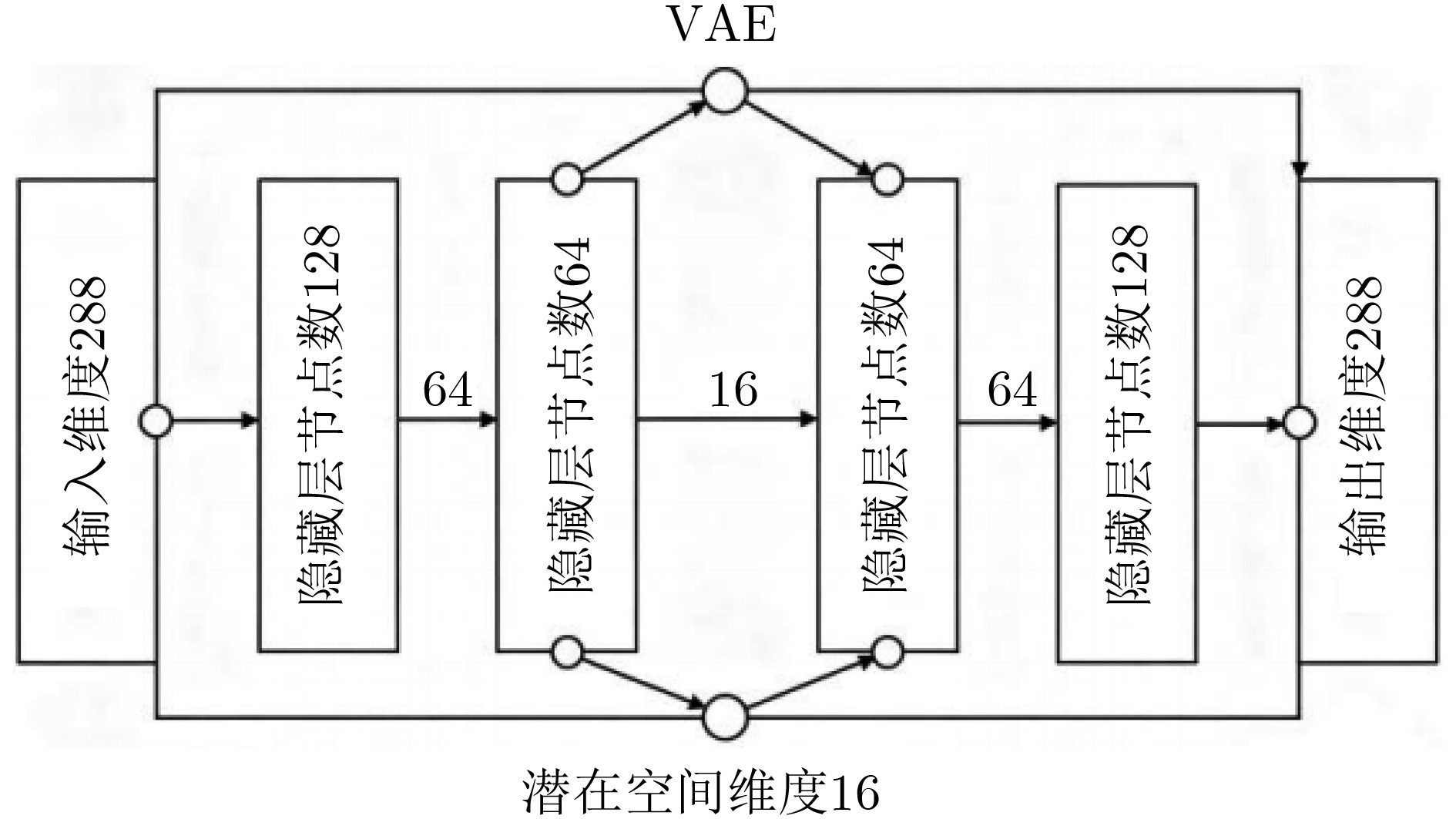
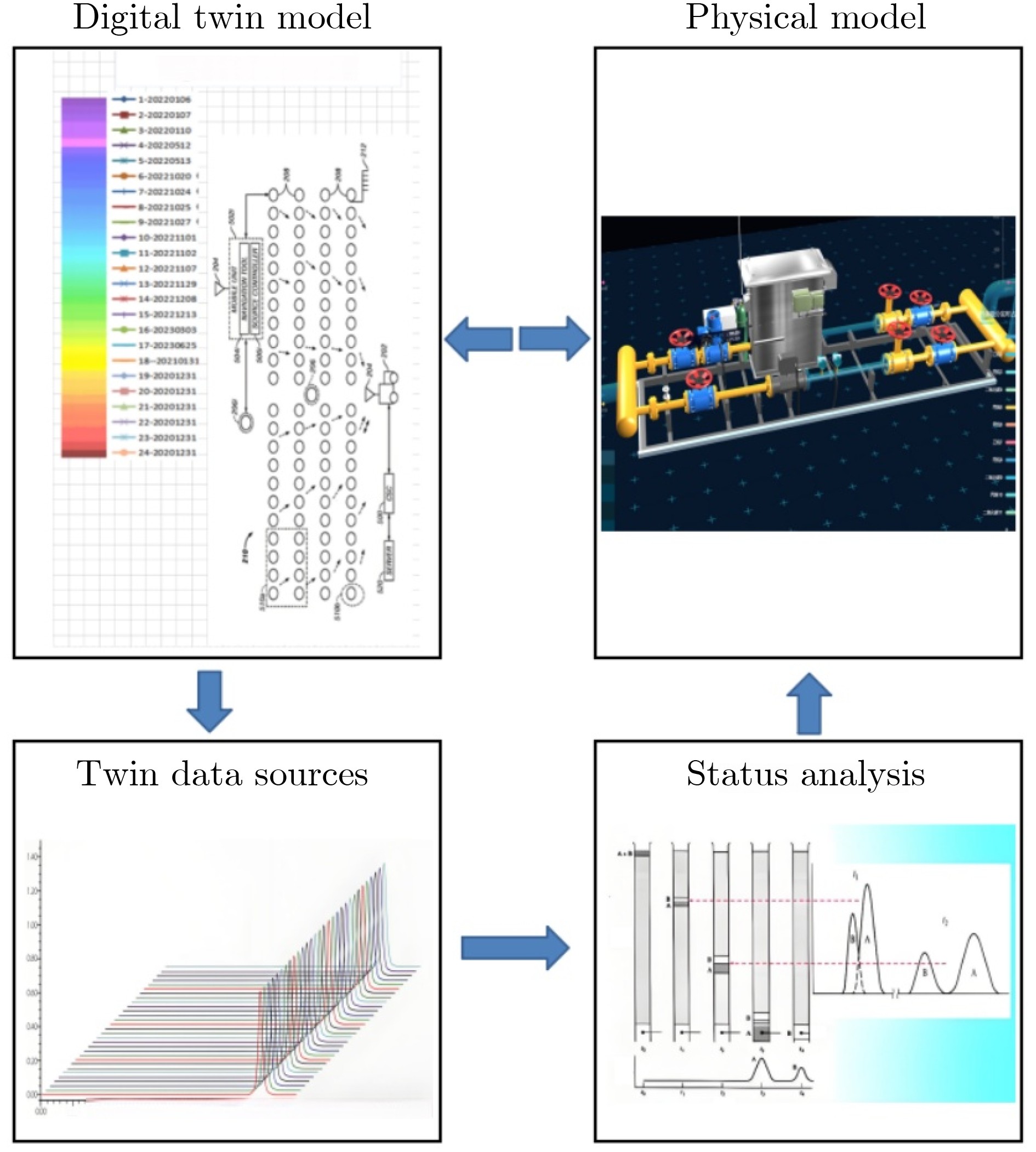
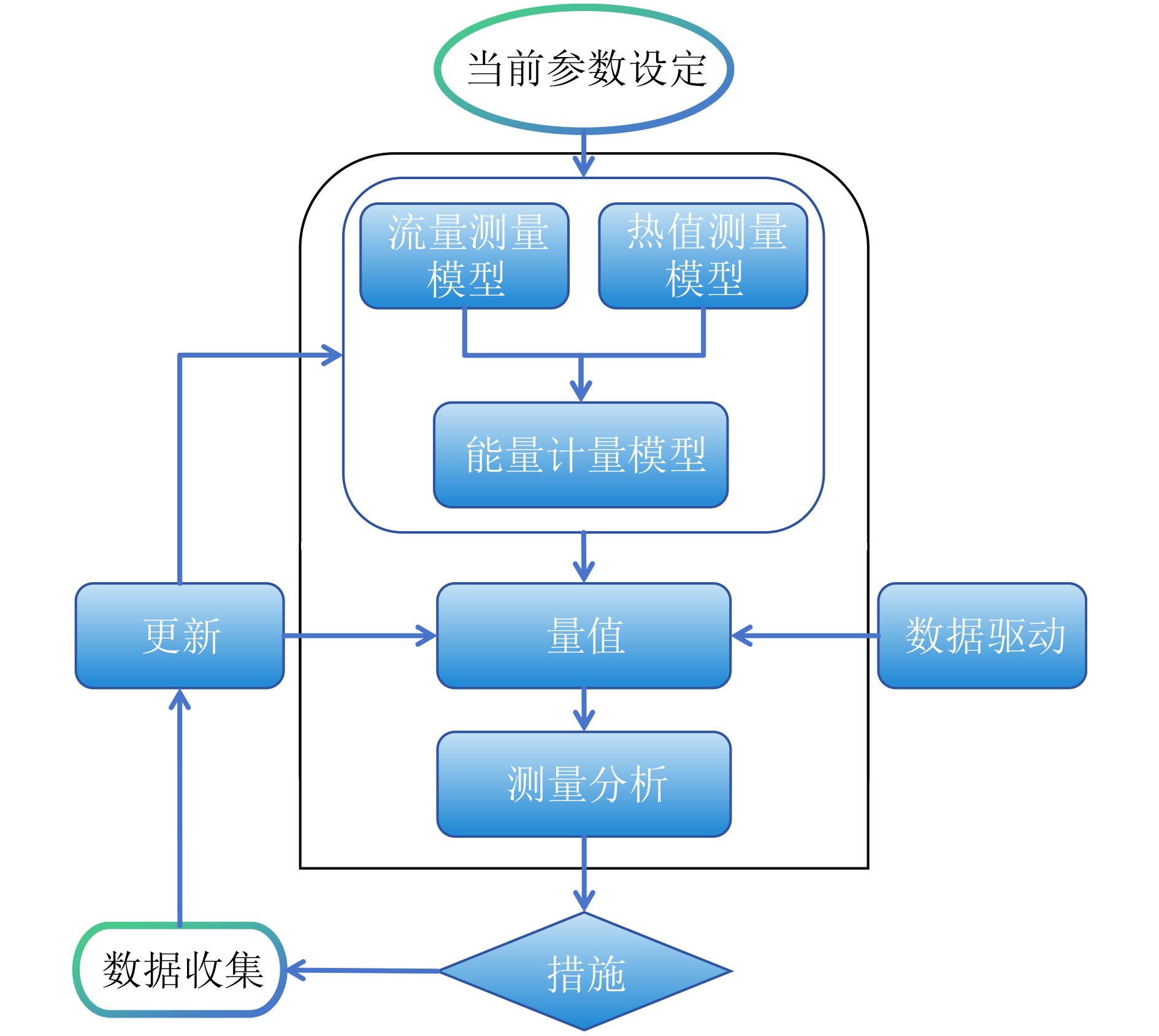
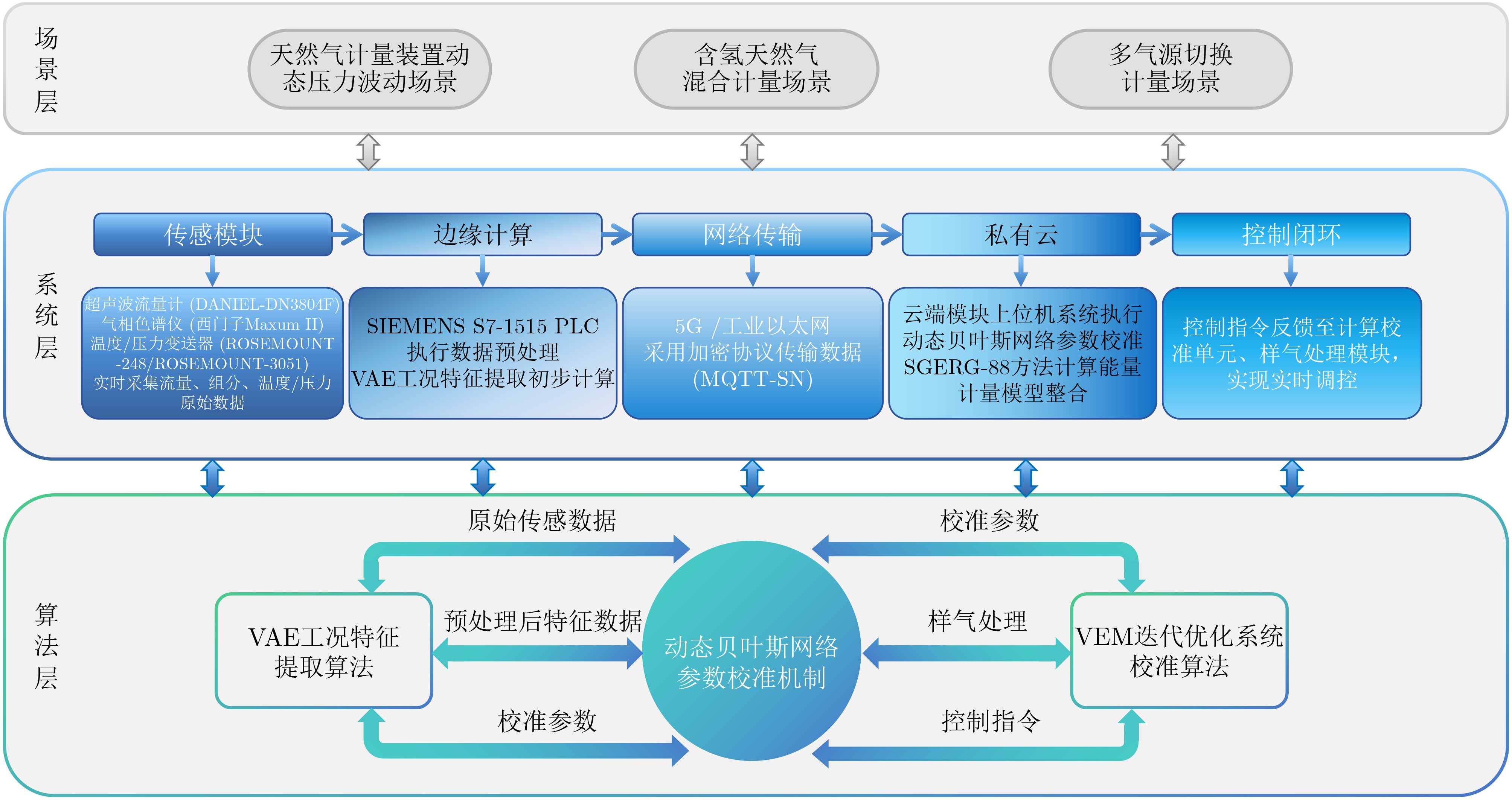
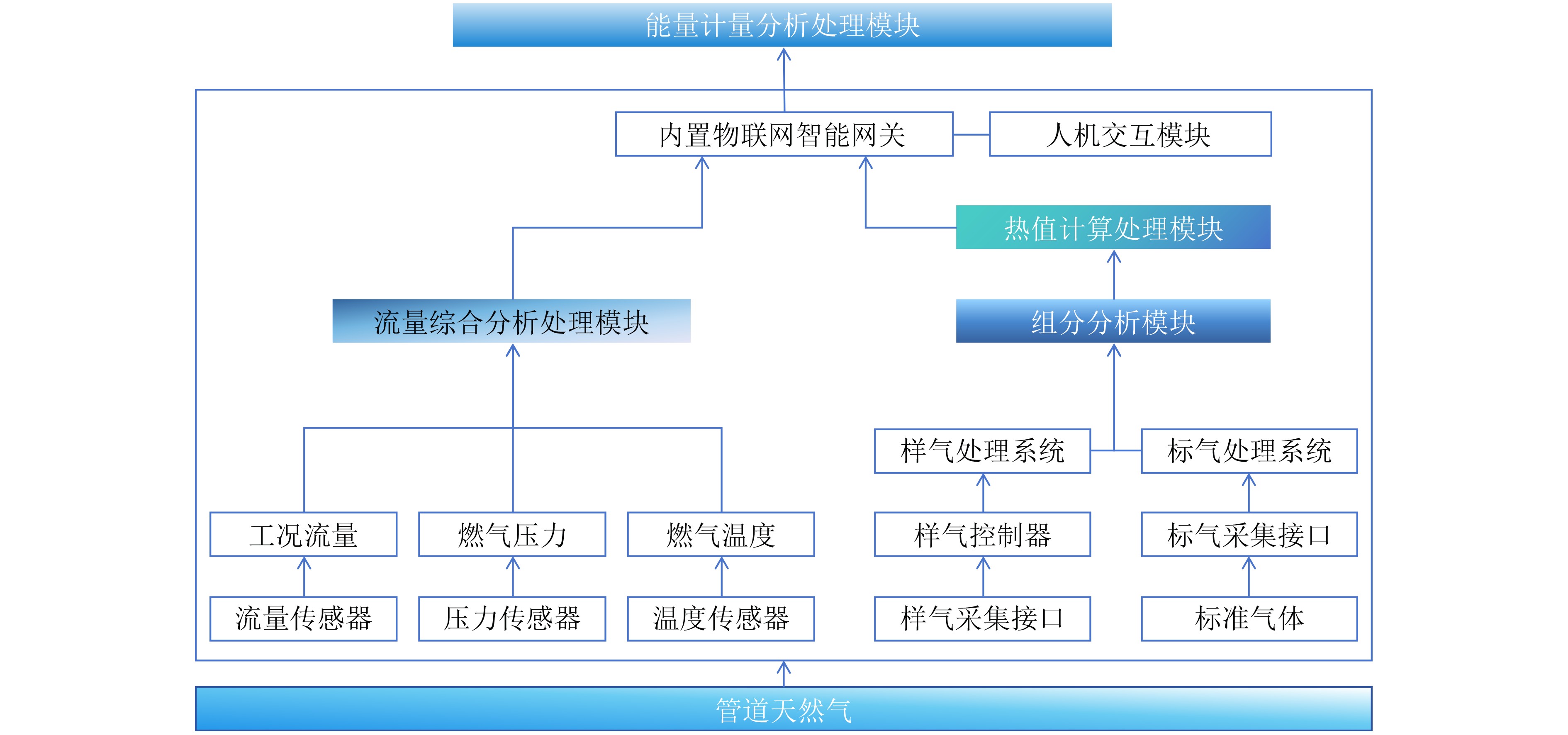
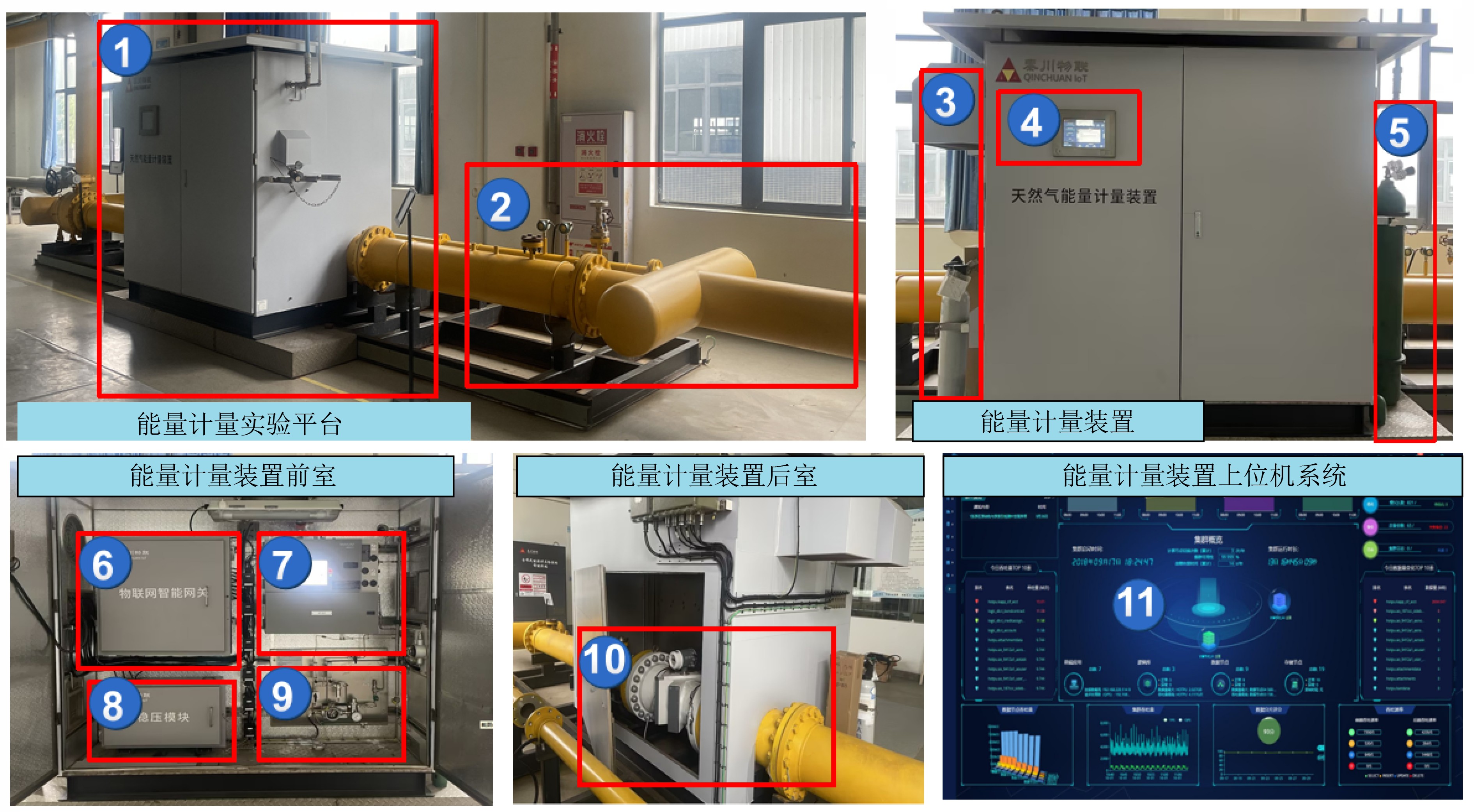
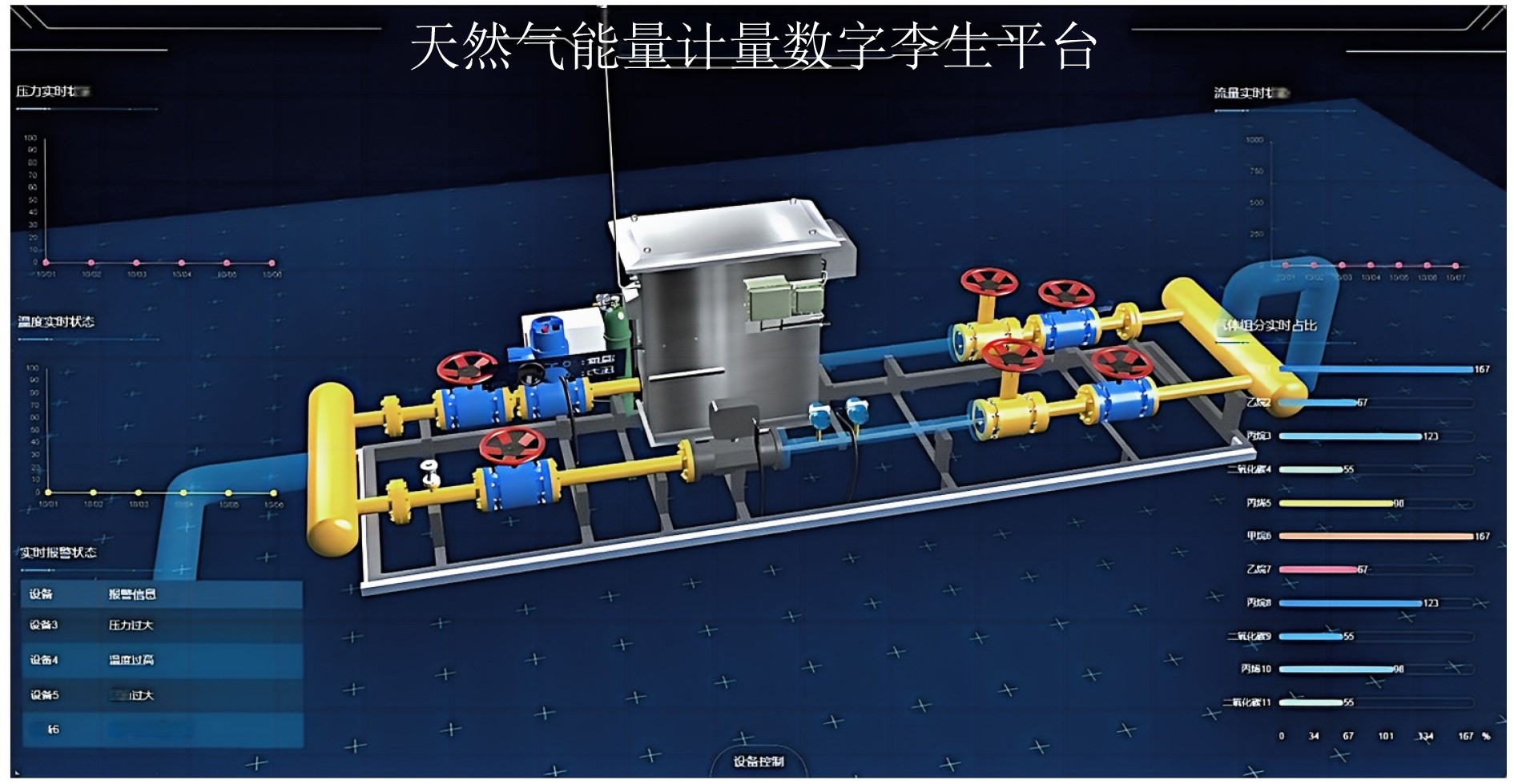
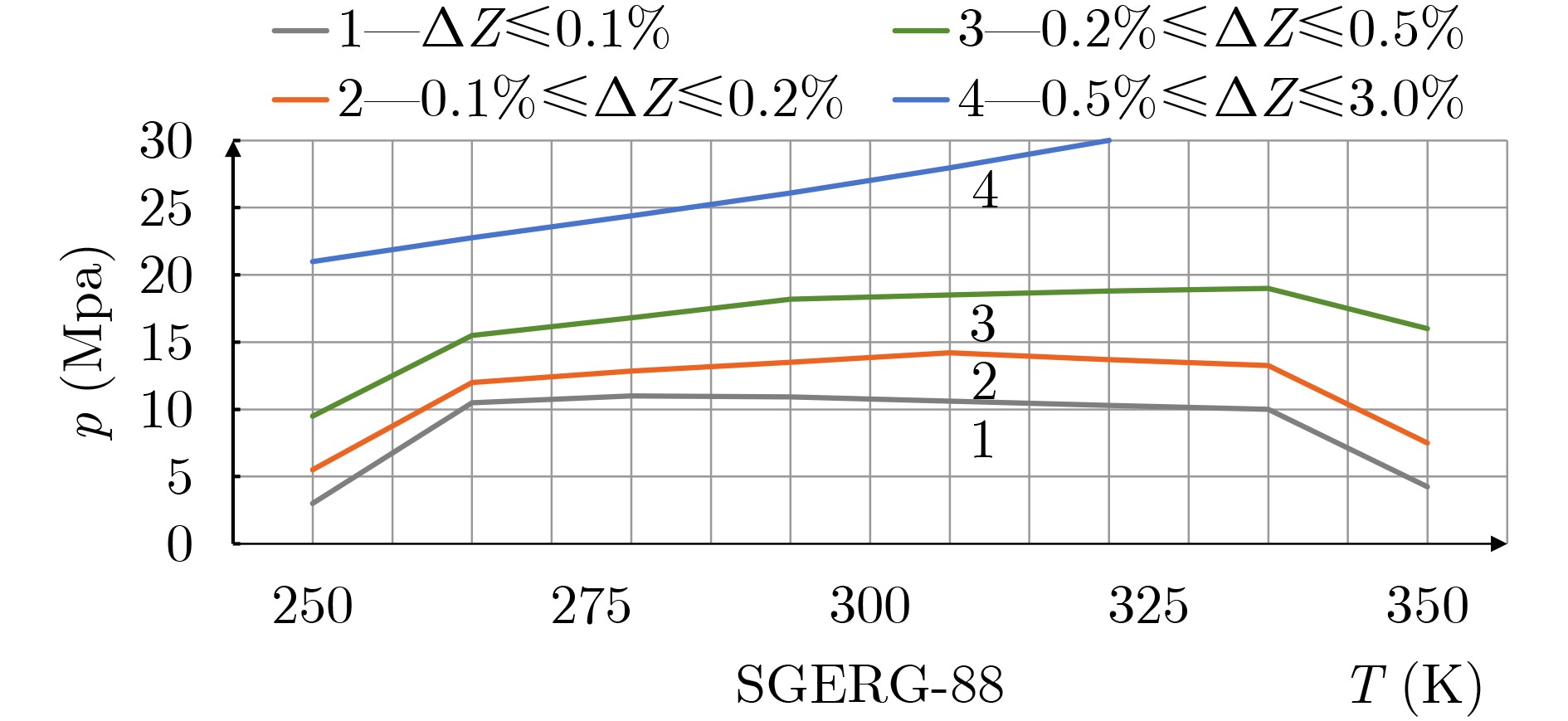
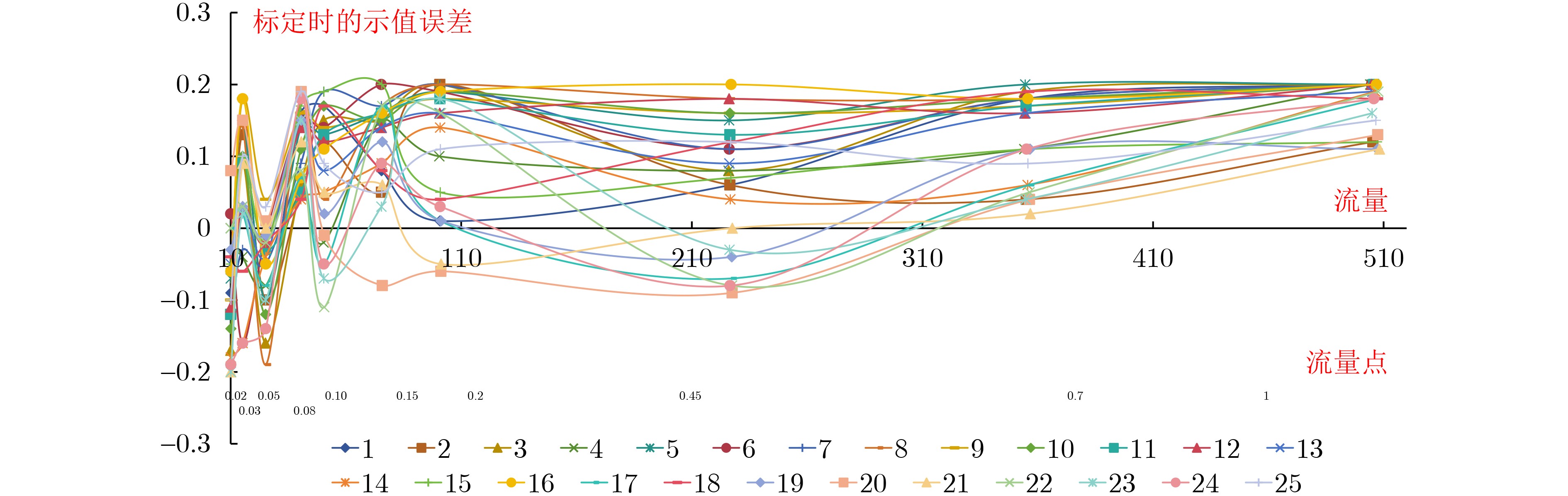
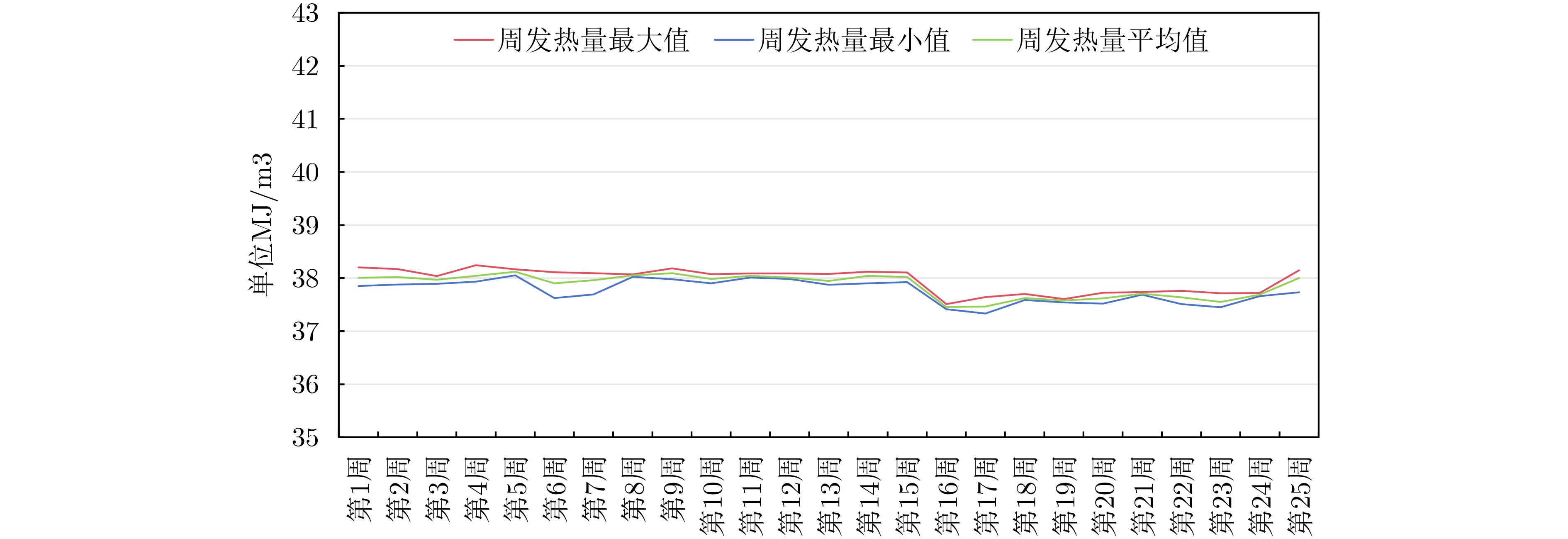
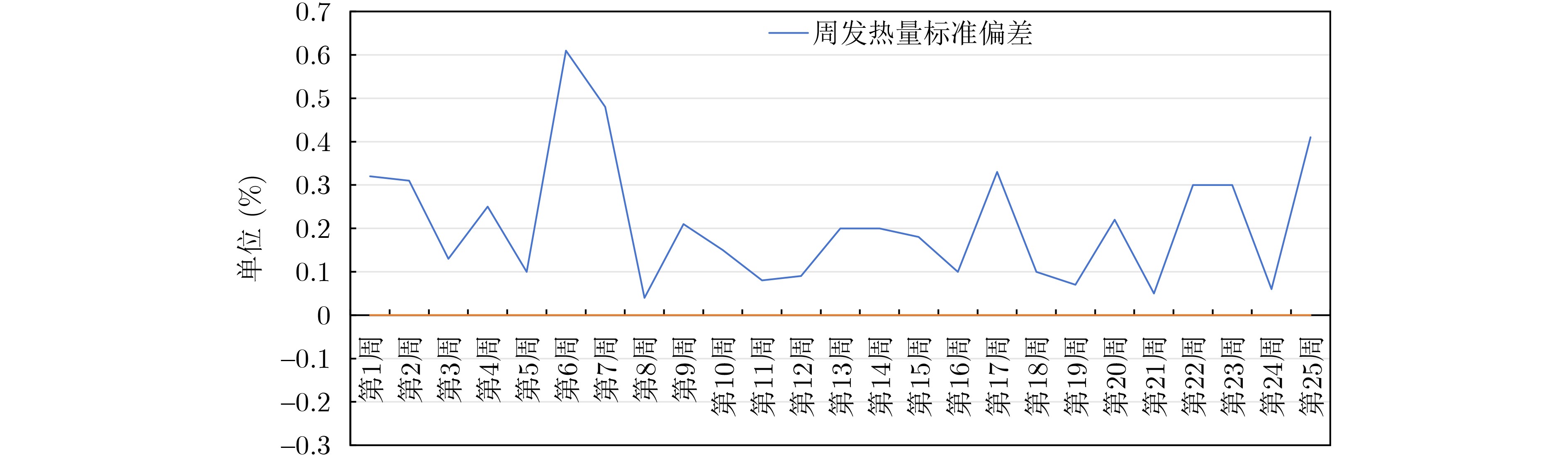
  •   Objective  Global natural gas consumption continues to increase at an average annual rate of 3.2%. A 0.1% reduction in energy measurement error can reduce trade disputes by approximately $750 million per year. Traditional studies mainly use indirect methods for energy measurement. Among these methods, chromatographic analysis and acoustic velocity correlation are the most widely used, but both have clear application limits. Chromatographic analysis has a low interference error, but it shows delayed dynamic response at high flow rates and limited dynamic calibration capability. It also has poor adaptability to multi-gas-source switching, requires manual calibration, and has high operation and maintenance costs. The lack of interoperability standards for energy networks further increases the difficulty of system integration. Acoustic velocity correlation provides a low-latency dynamic response for flow measurement, but it has a high interference error. This error may increase when the content of a single component changes, such as when the hydrogen content increases from 5% to 10%. The method may even fail under complex operating conditions, such as multi-gas-source mixing and dynamic pressure fluctuations. To address these issues, new mechanism-modeling-oriented methods have been developed. The two most representative directions are mechanism-modeling-driven methods and hybrid-modeling methods. Both methods combine multi-source data fusion with virtual-physical interaction to establish mechanism models that link flow rate, other parameters, and energy. These methods provide a new approach for accurate energy measurement, but new challenges remain. Mechanism-modeling-driven methods are usually based on static flow modeling using Computational Fluid Dynamics (CFD). However, their dynamic parameter updates are slow, with delays of more than 30 s. They also have difficulty adapting to real-time operating-condition changes, rely on large labeled datasets, and have limited interpretability. Hybrid-modeling methods still face unresolved problems in collaborative optimization across multiple modules. In addition, existing studies lack support from industrial-grade verification platforms. These limits restrict their ability to solve the dynamic response delay, parameter identification difficulty, excessive physical simplification, and weak interference resistance of traditional natural gas energy metrology methods under complex conditions. Based on recent progress in mechanism-modeling-driven and hybrid-modeling methods, this study proposes an inverse-hybrid-modeling-driven digital twin system. The system introduces a Variational AutoEncoder (VAE)-based operating-condition feature extraction algorithm and a Dynamic Bayesian Network (DBN)-based parameter calibration mechanism. It also uses a Variational Expectation-Maximization (VEM) algorithm for offline calibration. The proposed system aims to improve the accuracy, adaptability, and interference resistance of natural gas energy metrology under complex operating conditions.  Methods   A natural gas energy metrology digital twin system based on inverse hybrid modeling is proposed. The system is built on a three-tier “algorithm-system-scenario” architecture. It integrates calorific value, flow, and energy mechanism models with multi-source real-time data streams. The VAE is used for unsupervised mining of operating-condition features. A parameter self-correction loop is then constructed by combining the DBN with VEM-based system calibration. Industrial-grade devices, including ultrasonic flowmeters and gas chromatographs, are integrated to ensure real-time data transmission and closed-loop control. The system covers key operating conditions, including dynamic pressure fluctuations, hydrogen-blended gas mixtures, and multi-gas-source switching. This design ensures strong adaptability between the model and practical applications. The system was continuously verified for 25 weeks on a full-scale industrial-grade experimental platform. The results show an operational delay of ≤3.8 s, data transmission jitter of ≤0.5 s, average daily energy consumption per device of ≤1.2 kW·h, Mean Time Between Failures (MTBF) of ≥4 100 h, energy measurement error of ≤0.25%, calorific value error of ≤0.12%, and flow indication error of ≤0.2%. The system also meets security requirements through industrial Ethernet encryption and hierarchical access control. It provides engineering support for intelligent pipeline-network optimization and standardized integration.  Results and Discussions  First, a multi-level hybrid modeling framework is established. Modular hybrid modeling is achieved through the algorithm-system-scenario three-tier architecture. Numerical methods combined with data are more flexible than purely analytical models and can represent complex multiphysics systems with fewer lumped physical parameters. These parameters may change during energy measurement under mechanical, energy, and hydrodynamic effects. The VAE and DBN are used to deeply integrate mechanism models with real-time data. This reduces the parameter synchronization delay to 3.8 s and supports fluid-acoustic co-simulation and rapid response under complex operating conditions, such as hydrogen-blended natural gas. Second, an integrated algorithm for inverse hybrid modeling and system calibration is proposed. By incorporating the VAE, DBN, and VEM algorithm, the inverse hybrid modeling algorithm forms a self-supervised, adaptive intelligent system with an internal closed-loop operation. The VAE encoder compresses high-dimensional operating-condition data into low-dimensional feature vectors. This enables unsupervised feature extraction without large labeled datasets. Based on the learned internal data distribution, the VAE can also generate perturbed data similar to the input data. These data are used to simulate abnormal operating conditions and verify interference resistance. The DBN constructs a continuous “prior-evidence-posterior” iterative cycle to support system self-correction and adaptive response to operating-condition changes. The VEM algorithm compensates for systematic errors that are difficult for the DBN to capture, thereby overcoming the limits of traditional static models.  Conclusions  This study describes and validates a hybrid digital twin system that combines experimental data-driven methods with physical models. The system successfully simulates the physical characteristics of natural gas energy metrology. A full-scale test platform was constructed, and the main system parameters were validated using experimental measurement data and compared with industry benchmarks. Each independent module in the algorithm-system-scenario three-tier hybrid modeling architecture, including calorific value measurement, flow calculation, and energy conversion, was continuously verified for 25 weeks. The results confirm strong consistency between model predictions and actual measurements. On the natural gas energy metrology digital twin experimental platform, systematic validation was performed for three core functions: flow measurement under dynamic conditions, multi-component calorific value determination, and energy accumulation. The results show that the output of the digital twin model matches the physical device measurement data with an accuracy of more than 99.5%. Under complex operating conditions, such as pressure pulsations and hydrogen-blended gas mixtures, the system maintains the measurement error within 0.5%. This performance is better than that of traditional methods and meets the Class A accuracy requirements for natural gas measurement. By introducing a multi-tier hybrid modeling framework, this study addresses the parameter identification difficulty and excessive physical simplification of traditional natural gas energy metrology methods. The integration of the VAE, DBN, and VEM algorithm enables unsupervised feature extraction under complex operating conditions and adaptive calibration of model parameters. This reduces dependence on prior physical knowledge and large labeled datasets. The experimental results show that the proposed method maintains high precision and strong stability under complex scenarios, including pressure pulsations and hydrogen-blended gas mixtures, where traditional models have difficulty providing accurate descriptions.
  • loading
  • [1]
    SUN Qie, LI Hailong, MA Zhanyu, et al. A comprehensive review of smart energy meters in intelligent energy networks[J]. IEEE Internet of Things Journal, 2016, 3(4): 464–479. doi: 10.1109/JIOT.2015.2512325.
    [2]
    MONTUORI L, ALCÁZAR-ORTEGA M, VARGAS-SALGADO C, et al. Enabling the natural gas system as smart infrastructure: Metering technologies for customer applications[C]. 2020 Global Congress on Electrical Engineering (GC-ElecEng), Valencia, Spain, 2020: 96–100. doi: 10.23919/GC-ElecEng48342.2020.9286291.
    [3]
    ULBIG P and HOBURG D. Determination of the calorific value of natural gas by different methods[J]. Thermochimica Acta, 2002, 382(1/2): 27–35. doi: 10.1016/S0040-6031(01)00732-8.
    [4]
    LANG Xianming, LI Ping, GUO Ying, et al. A multiple leaks’ localization method in a pipeline based on change in the sound velocity[J]. IEEE Transactions on Instrumentation and Measurement, 2020, 69(7): 5010–5017. doi: 10.1109/TIM.2019.2955774.
    [5]
    SELEZNEV V. Computational fluid dynamics methods for gas pipeline system control[M]. Computational Fluid Dynamics. IntechOpen, 2010: 335–362. doi: 10.5772/7110.
    [6]
    KUNZ O and WAGNER W. The GERG-2008 wide-range equation of state for natural gases and other mixtures: An expansion of GERG-2004[J]. Journal of Chemical & Engineering Data, 2012, 57(11): 3032–3091. doi: 10.1021/je300655b.
    [7]
    连远锋, 田天, 陈晓禾, 等. 数字孪生辅助强化学习的燃气站场巡检任务分配算法[J]. 电子与信息学报, 2025, 47(7): 2285–2297. doi: 10.11999/JEIT241027.

    LIAN Yuanfeng, TIAN Tian, CHEN Xiaohe, et al. Gas station inspection task allocation algorithm in digital twin-assisted reinforcement learning[J]. Journal of Electronics & Information Technology, 2025, 47(7): 2285–2297. doi: 10.11999/JEIT241027.
    [8]
    刘宁波, 张子豪, 陈宝欣, 等. 海上目标多源数据特征提取与特征相关性分析[J]. 电子与信息学报, 2025, 47(10): 3745–3758. doi: 10.11999/JEIT250200.

    LIU Ningbo, ZHANG Zihao, CHEN Baoxin, et al. Features extraction and correlation analysis of multi-source data for maritime targets[J]. Journal of Electronics & Information Technology, 2025, 47(10): 3745–3758. doi: 10.11999/JEIT250200.
    [9]
    胡小方, 杨涛. 基于忆阻循环神经网络的层次化状态正则变分自编码器[J]. 电子与信息学报, 2023, 45(2): 689–697. doi: 10.11999/JEIT211431.

    HU Xiaofang and YANG Tao. Hierarchical state regularization variational autoencoder based on memristor recurrent neural network[J]. Journal of Electronics & Information Technology, 2023, 45(2): 689–697. doi: 10.11999/JEIT211431.
    [10]
    杨旗, 薛定宇. 基于双尺度动态贝叶斯网络及多信息融合的步态识别[J]. 电子与信息学报, 2012, 34(5): 1148–1153. doi: 10.3724/SP.J.1146.2011.01012.

    YANG Qi and XUE Dingyu. Gait recognition based on two-scale dynamic Bayesian network and more information fusion[J]. Journal of Electronics & Information Technology, 2012, 34(5): 1148–1153. doi: 10.3724/SP.J.1146.2011.01012.
    [11]
    中华人民共和国国家质量监督检验检疫总局, 中国国家标准化管理委员会. GB/T 17747.3-2011 天然气压缩因子的计算 第3部分: 用物性值进行计算[S]. 北京: 中国标准出版社, 2012.

    General Administration of Quality Supervision, Inspection and Quarantine of the People's Republic of China and Standardization Administration of the People's Republic of China. GB/T 17747.3-2011 Natural gas—calculation of compression factor—Part 3: Calculation using physical properties[S]. Beijing: Standards Press of China, 2012.
    [12]
    国家市场监督管理总局. JJF 1993-2022 天然气能量计量技术规范[S]. 北京: 中国标准出版社, 2022.

    State Administration for Market Regulation. JJF 1993-2022 Metrological specification for the energy measurement of natural gas[S]. Beijing: Standards Press of China, 2022. <b>(查阅网上资料, 未找到本条文献出版年, 请确认)</b>.
    [13]
    胡晶晶, 杨照明, 苏怀. 基于深度学习的天然气热值动态预测[J]. 能源, 2023, 16(2): 799. doi: 10.3390/en16020799.

    HU Jingjing, YANG Zhaoming, and SU Huai. Dynamic Prediction of Natural Gas Calorific Value Based on Deep Learning[J]. Energies, 2023, 16(2): 799. doi: 10.3390/en16020799.
    [14]
    王池, 李春辉, 王京安, 等. 天然气能量计量系统及方法[J]. 计量学报, 2008, 29(5): 403–406.

    WANG Chi, LI Chunhui, WANG Jing’an, et al. The system and method for energy measurement of natural gas[J]. Acta Metrologica Sinica, 2008, 29(5): 403–406.
    [15]
    VASKOVSKII S and BROKAREV I. Analysis of methods and systems for natural gas composition and energy characteristics determination[C]. 2023 5th International Conference on Problems of Cybernetics and Informatics (PCI), Baku, Azerbaijan, 2023: 1–6. doi: 10.1109/PCI60110.2023.10325991.
    [16]
    魏伟, 鲜平, 彭刚, 等. 天然气能量计量装置研究[C]. 2011 年机电科学、电气工程与计算机国际会议, 吉林, [s. n. ], 2011: 685–688.
    [17]
    ZHAO Huichao, PENG Lihui, STEPHANE S A, et al. CFD aided investigation of multipath ultrasonic gas flow meter performance under complex flow profile[J]. IEEE Sensors Journal, 2014, 14(3): 897–907. doi: 10.1109/jsen.2013.2290863.
    [18]
    ZHAO Yuting, WEI qiang, LI Meng, et al. Design and implementation of an external clamped ultrasonic flowmeter based on time difference method[C]. 2021 IEEE International Conference on Computer Science, Electronic Information Engineering and Intelligent Control Technology (CEI), Fuzhou, China, 2021: 685–688. doi: 10.1109/CEI52496.2021.9574588.
    [19]
    LI Xiaobin, XIAO Bo, CHEN Xuejiao, et al. MSDF-VAE: A cloud–edge collaborative method for fault diagnosis based on transfer learning[J]. IEEE Internet of Things Journal, 2025, 12(12): 22393–22403. doi: 10.1109/JIOT.2025.3550916.
    [20]
    ZHANG Haizheng, SESHADRI R, PRAKASH A A, et al. Towards dynamic Bayesian networks: State augmentation for online calibration of DTA systems[C]. 2018 21st International Conference on Intelligent Transportation Systems (ITSC), Maui, USA, 2018: 1745–1750. doi: 10.1109/ITSC.2018.8569926.
    [21]
    RUAH C, SIMEONE O, HOYDIS J, et al. Calibrating wireless ray tracing for digital twinning using local phase error estimates[J]. IEEE Transactions on Machine Learning in Communications and Networking, 2024, 2: 1193–1215. doi: 10.1109/TMLCN.2024.3448391.
    [22]
    ZHANG Yan, SUN Wen, and ALCARAZ C. Editorial CFP: IEEE transactions on industrial informatics—special section on digital twin for industrial internet of things[J]. IEEE Transactions on Industrial Informatics, 2023, 19(5): 7214–7216. doi: 10.1109/tii.2023.3261167.
    [23]
    TYAGUNOV M G and ANDREEV V N. The use of digital twins in the energy sector: Selection and verification of tools for modeling hybrid energy supply systems based on renewable energy sources[C]. 2025 International Russian Smart Industry Conference (SmartIndustryCon), Sochi, Russian Federation, 2025: 572–577. doi: 10.1109/SmartIndustryCon65166.2025.10986090.
    [24]
    KABIR R, HALDER D, and RAY S. Digital twins for IoT-driven energy systems: A survey[J]. IEEE Access, 2024, 12: 177123–177143. doi: 10.1109/ACCESS.2024.3506660.
    [25]
    SARGENT R G. Verification and validation of simulation models: An advanced tutorial[C]. 2020 Winter Simulation Conference (WSC), Orlando, USA, 2020: 16–29. doi: 10.1109/WSC48552.2020.9384052.
    [26]
    JIA Wenlong, WANG Xiujuan, WU Xia, et al. A stable solution method for natural gas density across a wide temperature range using the GERG-2008 equation of state[J]. Fluid Phase Equilibria, 2025, 593: 114328. doi: 10.1016/j.fluid.2024.114328.
    [27]
    李军, 于波. 天然气性质、基本状态方程与相态关系[M]. 可持续天然气藏与开采工程. 北京: 海湾专业出版社, 2022: 1–28.
  • 加载中

Catalog

    通讯作者: 陈斌, bchen63@163.com
    • 1. 

      沈阳化工大学材料科学与工程学院 沈阳 110142

    1. 本站搜索
    2. 百度学术搜索
    3. 万方数据库搜索
    4. CNKI搜索

    Figures(13)  / Tables(5)

    Article Metrics

    Article views (99) PDF downloads(8) Cited by()
    Proportional views
    Related

    /

    DownLoad:  Full-Size Img  PowerPoint
    Return
    Return