Advanced Search
Turn off MathJax
Article Contents
WU Chang, PENG Mingyu, CHEN Yuang, CHEN Yiyuan, GUO Fengqian, QIN Xiaowei, LU Hancheng. Physiological Signal-driven QoE Optimization for Wireless Virtual Reality Transmission[J]. Journal of Electronics & Information Technology. doi: 10.11999/JEIT260067
Citation: WU Chang, PENG Mingyu, CHEN Yuang, CHEN Yiyuan, GUO Fengqian, QIN Xiaowei, LU Hancheng. Physiological Signal-driven QoE Optimization for Wireless Virtual Reality Transmission[J]. Journal of Electronics & Information Technology. doi: 10.11999/JEIT260067

Physiological Signal-driven QoE Optimization for Wireless Virtual Reality Transmission

doi: 10.11999/JEIT260067 cstr: 32379.14.JEIT260067
Funds:  The National Natural Science Foundation of China Joint Fund Key Project (U21A20452)
  • Received Date: 2026-01-20
  • Accepted Date: 2026-05-29
  • Rev Recd Date: 2026-05-18
  • Available Online: 2026-06-08
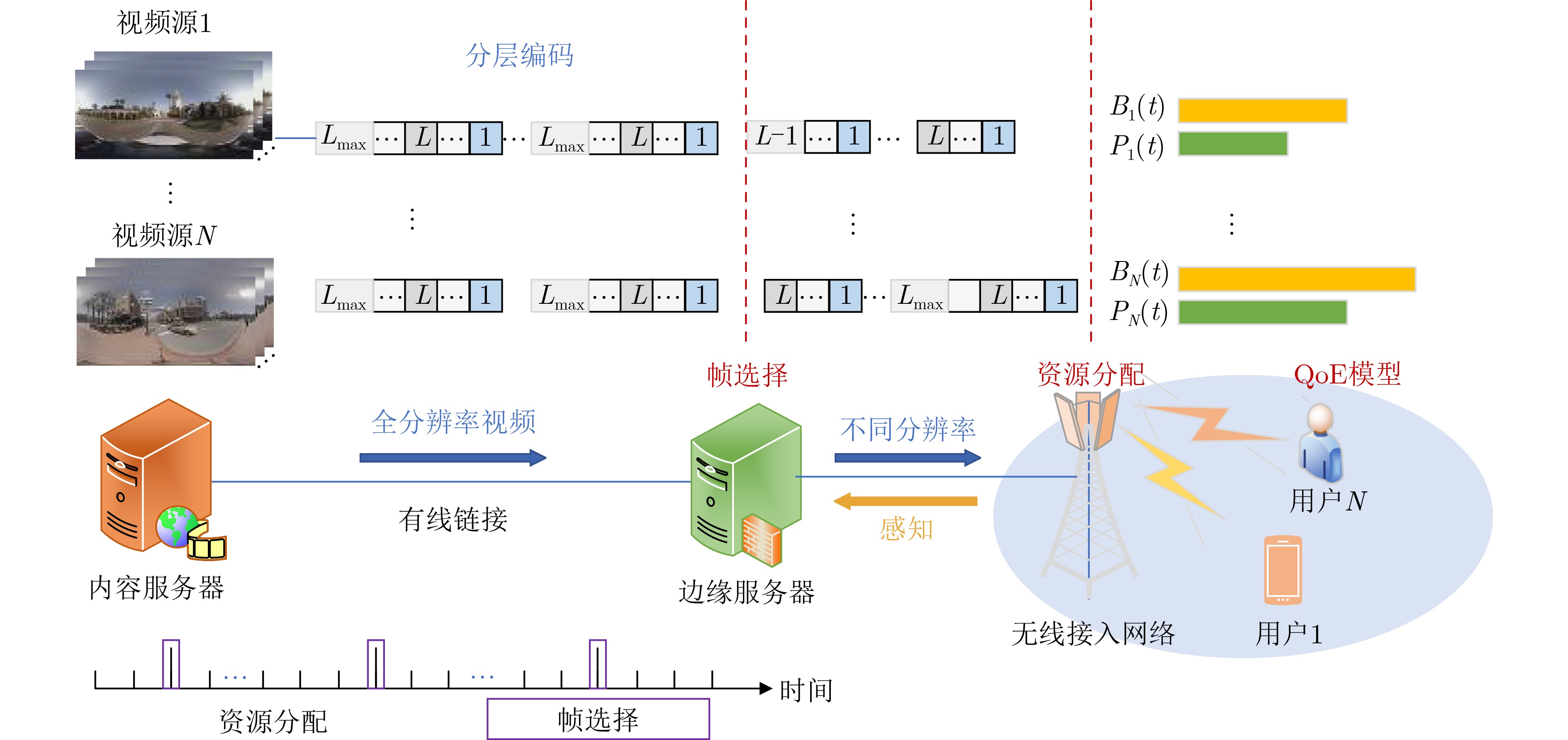
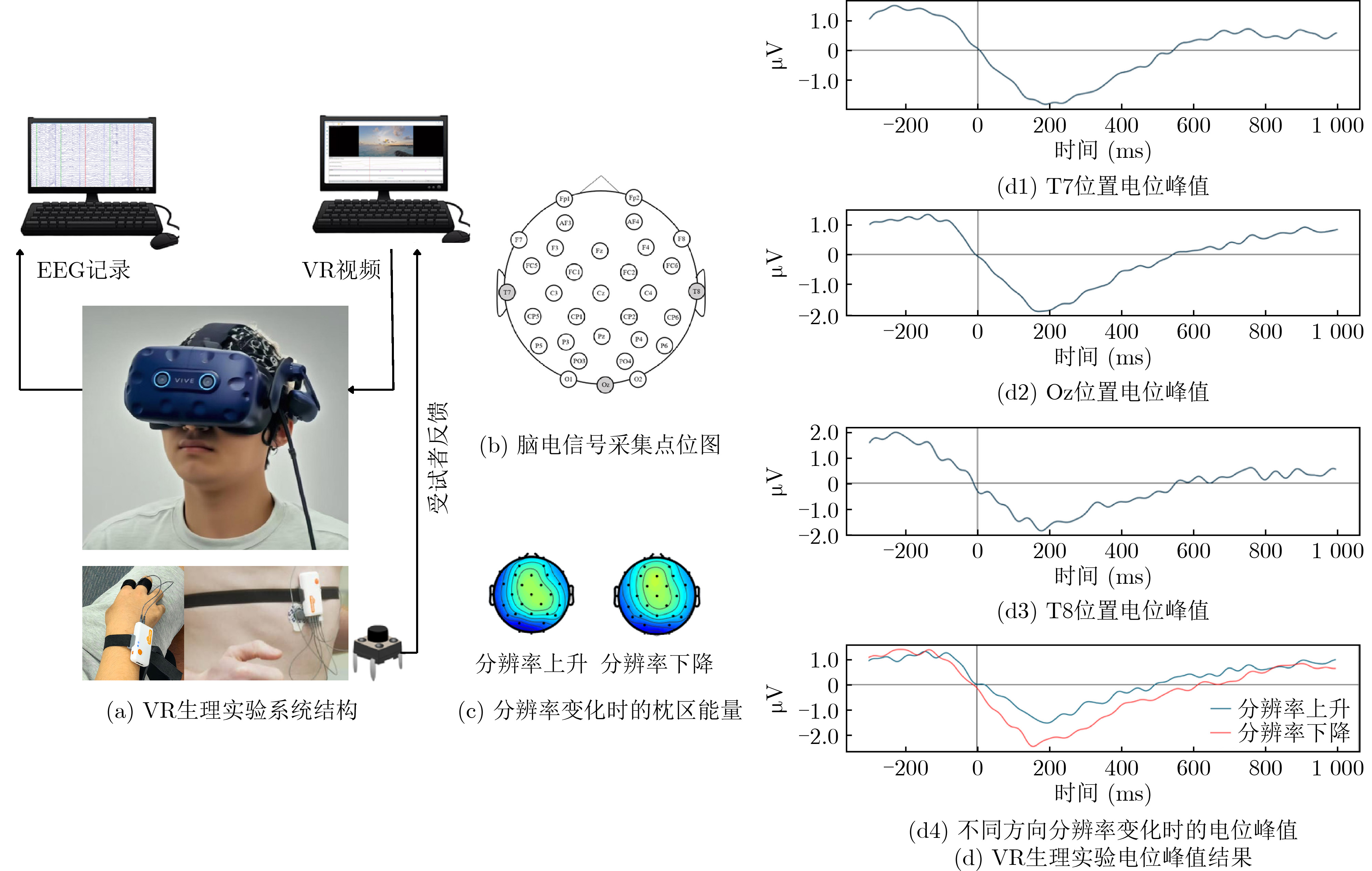
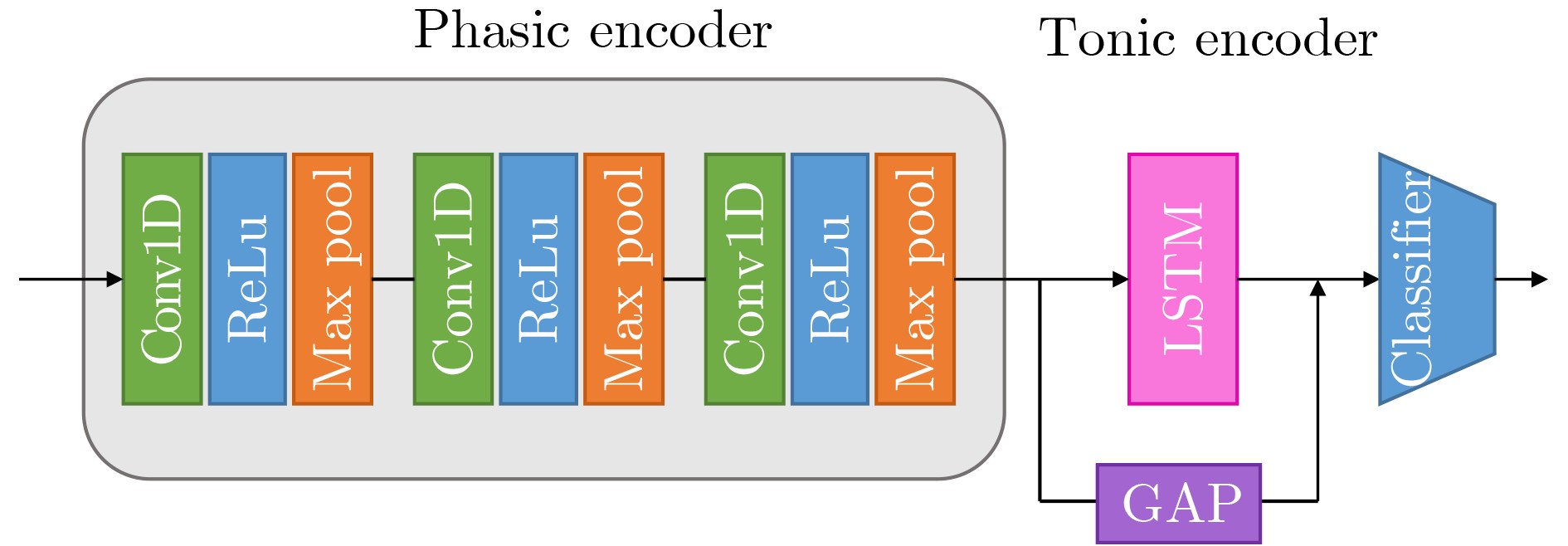
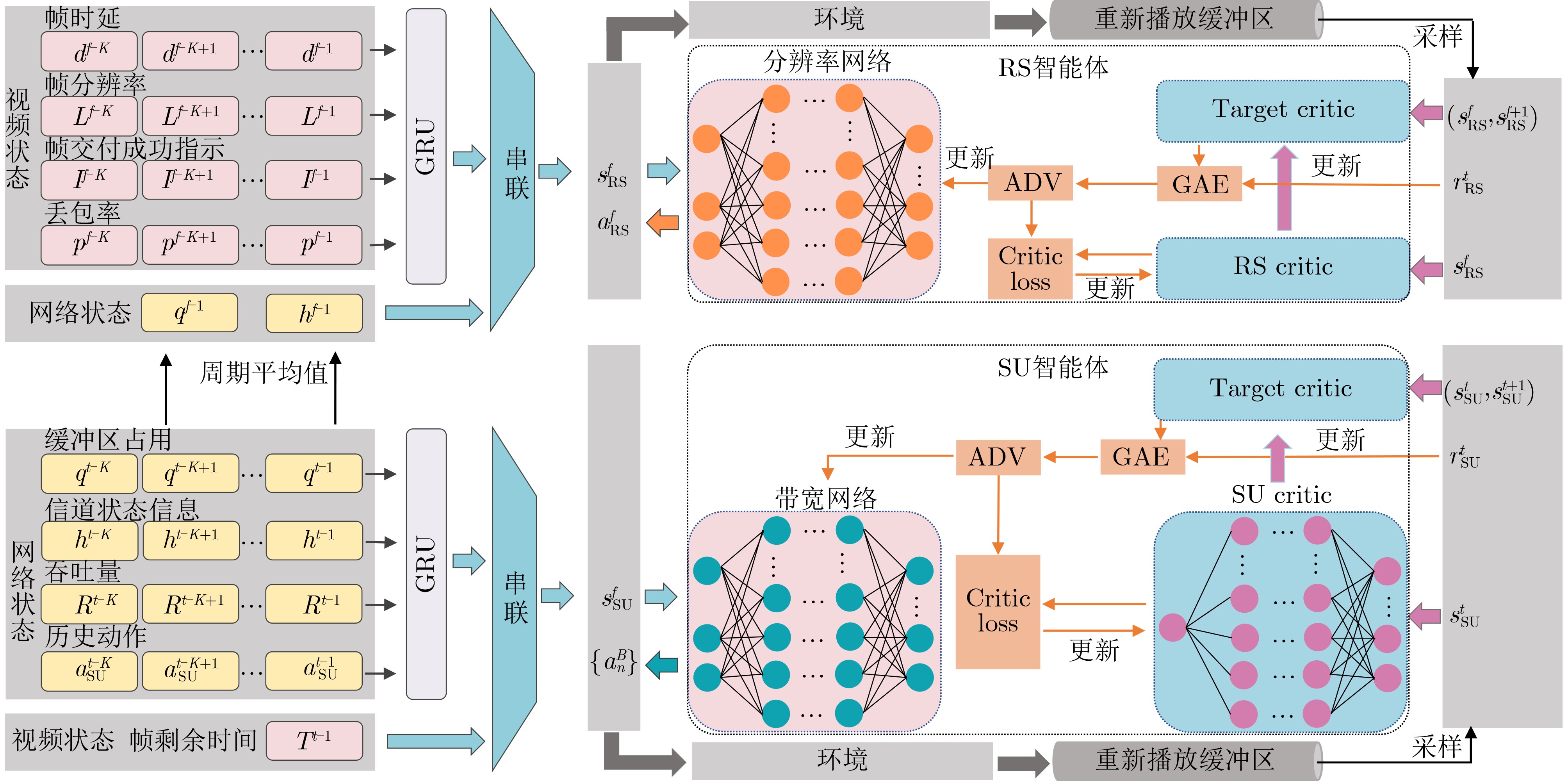
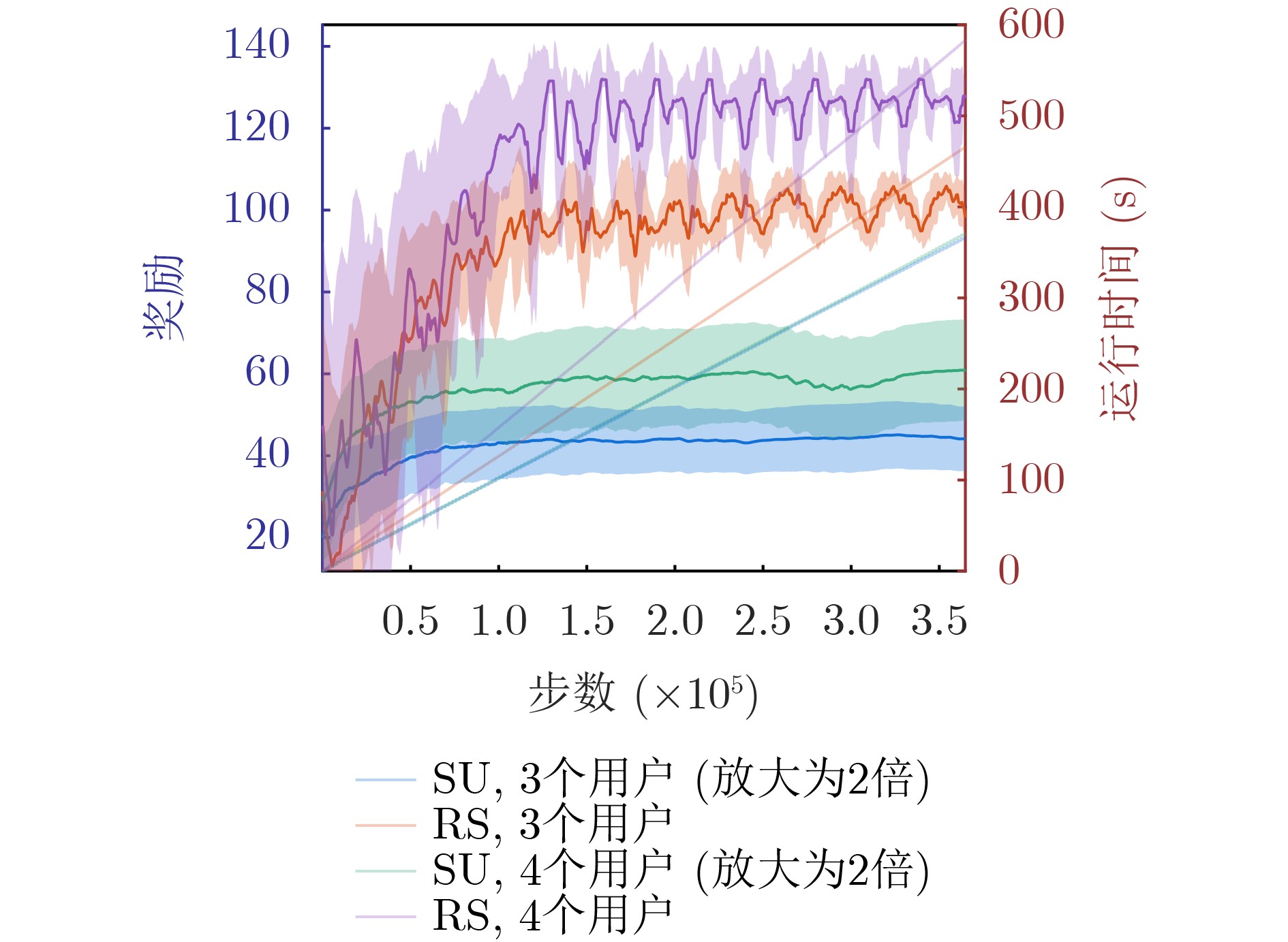
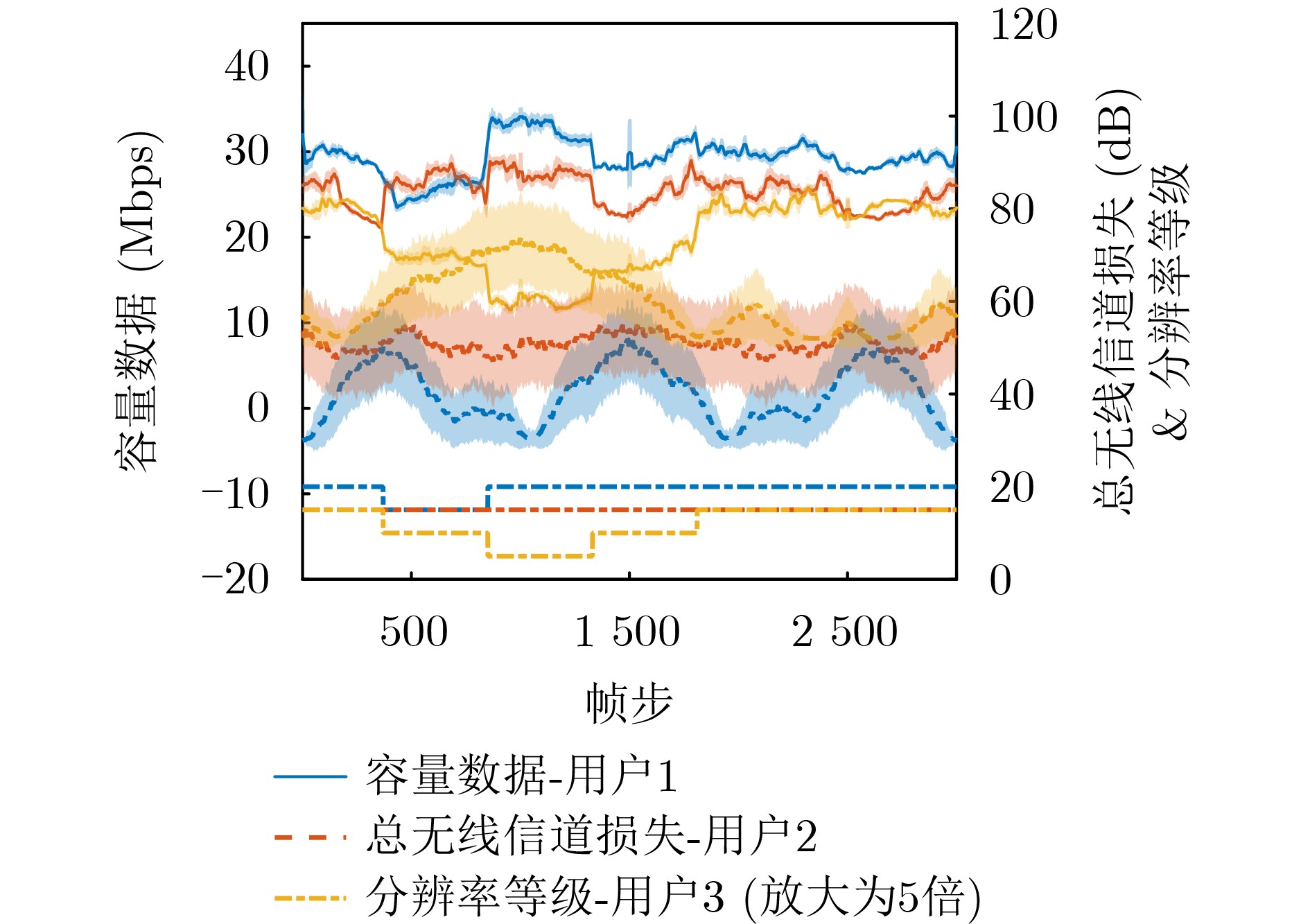
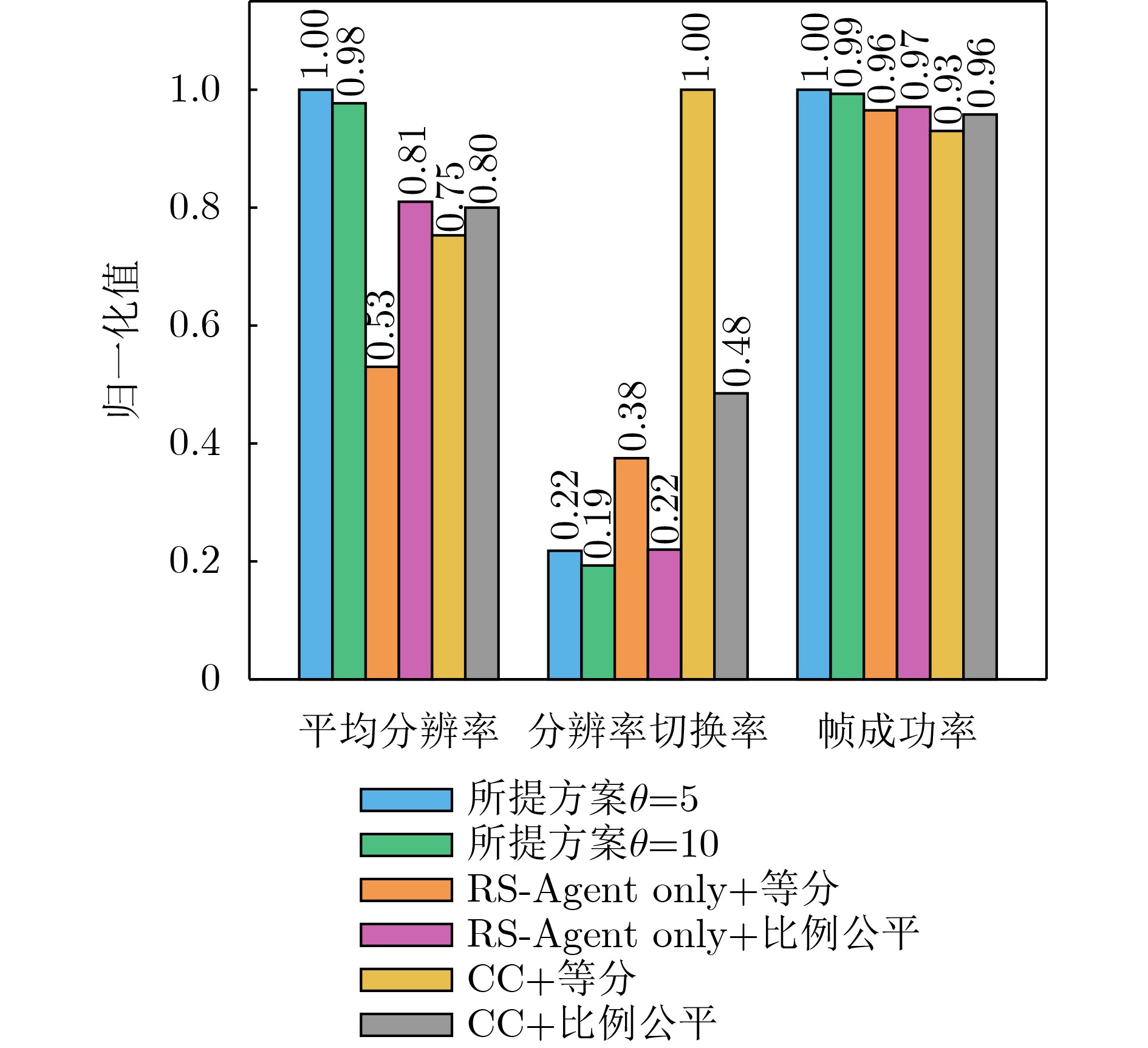
  •   Objective  Virtual Reality (VR) has become a transformative medium for immersive digital experiences because it can deliver high-resolution 360° video with ultra-low Motion-To-Photon (MTP) latency. However, its dependence on wireless transmission creates major challenges. Uncompressed data rates above 1 Gbit/(s·Hz) and latency thresholds below 20 ms place stringent demands on network infrastructure. In mobile scenarios, channel fluctuation and user mobility often compromise service continuity and cause abrupt resolution changes. Traditional Quality of Service (QoS) metrics, such as bandwidth, jitter, and packet loss, provide useful network-level information but cannot adequately reflect subjective user satisfaction. Existing Quality of Experience (QoE) models and Adaptive BitRate (ABR) algorithms often use symmetric metrics, such as Mean Opinion Score (MOS), and overlook the fact that users perceive quality deterioration and quality improvement differently. Sudden resolution downgrading has a stronger negative effect on immersion than the positive effect caused by resolution upgrading. This perceptual asymmetry is consistent with behavioral psychology but remains insufficiently addressed in current transmission schemes. In addition, the separation between Radio Access Network (RAN) resource provisioning and application-layer bitrate adaptation often causes mismatched optimization, video-quality oscillation, and resource underuse. To address these issues, this study establishes a quantitative link between physiological responses and resolution changes. It further develops a physiological signal-driven QoE framework integrated with Deep Reinforcement Learning (DRL) to support adaptive transmission, maximize immersion, and reduce the adverse effects of resolution fluctuation in resource-constrained wireless networks.  Methods  A two-stage method is adopted, including physiological signal analysis and joint optimization framework design. A controlled VR experiment is conducted to quantify the perceptual effect of resolution changes. Nineteen healthy subjects participate in a viewing task using an eye-tracking VR headset, a 32-channel wireless ElectroEncephaloGraphy (EEG) system, ElectroCardioGraphy (ECG) recording, and Galvanic Skin Response (GSR) sensors. The subjects view natural-scene videos in which the resolution levels, including 8K, 4K, 1080P, 720P, and 480P, switch randomly every 8 s. The collected EEG signals are preprocessed by independent component analysis and band-pass filtering. Event-Related Potential (ERP) components are analyzed, with emphasis on the N200 component in the temporal and occipital regions, which reflects visual processing and attention allocation. A Linear Discriminant Analysis (LDA) classifier is used to distinguish different response types. The analysis focuses on the asymmetry between resolution upgrading and downgrading, and on sensitivity to the magnitude of resolution jumps. Based on these physiological findings, a QoE model is formulated by adding penalty terms for resolution degradation and large-amplitude resolution switching. These penalties are weighted more strongly than upgrade rewards to represent user aversion to quality drops. The model is then integrated into an edge-computing environment through a dual-timescale DRL framework. The framework separates control into two cooperative agents: the Scheduling and Utility (SU) agent and the Resolution Scaling (RS) agent. The SU agent operates at the millisecond timescale and performs real-time wireless resource allocation. It uses a Gated Recurrent Unit (GRU) to extract temporal features from Channel State Information (CSI) and transmission history. It then dynamically allocates bandwidth to improve frame delivery success and maintain fairness under VR frame-deadline constraints. The RS agent operates at the frame timescale and determines the resolution of subsequent video frames. Its decision-making is guided by the physiological signal-driven reward function, which penalizes actions that may trigger negative physiological responses, such as sharp resolution drops, unless channel deterioration makes them necessary. Proximal Policy Optimization (PPO) is selected for both agents because of its stable learning behavior in continuous and discrete action spaces. Simulations are conducted using a 3GPP-based wireless channel module with user mobility, shadow fading, and path loss to create a dynamic network environment.  Results and Discussions  The physiological experiment and network simulations validate the proposed framework. In the physiological analysis, a clear N200 response is observed approximately 200 ms after resolution changes. The N200 amplitude is significantly larger during resolution downgrading than during resolution upgrading (p < 0.001), indicating that users are more sensitive to quality deterioration. Large resolution jumps, such as changes from 8K to 1080P, also induce stronger neural responses and more concentrated occipital energy than minor adjustments. The LDA classifier achieves an average Area Under the Curve (AUC) of 74.12% across 19 subjects, confirming that neural responses contain discriminative information about the direction of resolution change. The GSR results support these findings. A dual-branch GSR feature extraction and classification model reaches an average AUC of 78.10% in distinguishing upward and downward switching events. By contrast, ECG signals do not show a stable effect under the current experimental setting and analysis granularity. Therefore, the subsequent QoE model is mainly constructed from EEG and GSR findings. In the network performance evaluation, the proposed physiological signal-driven DRL framework is compared with several baselines, including Proportional-Fair (PF) scheduling, equal resource allocation, and traditional congestion control represented by SCReAM. The training curves show that the dual-agent system converges and learns to coordinate capacity provisioning with resolution decisions. The SU agent smooths short-term channel fluctuation and provides a stable capacity basis, which enables the RS agent to make more reliable resolution decisions. Quantitative results show that the proposed scheme improves the average video resolution by up to 88.7% compared with the equal-resource baseline. More critically, the resolution switching frequency is reduced by up to 81.0%. This reduction is essential because frequent switching, especially downward switching, causes user discomfort, as demonstrated by the physiological analysis. By prioritizing long-term resolution stability and penalizing abrupt drops through the physiological signal-driven reward function, the proposed system reduces the “ping-pong” effect commonly observed in traditional ABR algorithms. Compared with schemes using different penalty weights, the proposed method achieves a better balance. It avoids overly conservative behavior under large penalties, which lowers the average resolution, and unstable visual quality under small penalties, which increases resolution fluctuation. The joint optimization also allocates resources preferentially to users with urgent frame deadlines or higher risks of perceptible quality degradation, while maintaining a frame delivery success rate above 99%.  Conclusions  This paper addresses the conflict between wireless-channel instability and the human need for visually consistent VR streaming. By adopting a physiological signal-driven approach, the asymmetric effect of resolution changes on user experience is quantified, which challenges the symmetric assumptions used in traditional QoE models. Integrating this physiological evidence into a dual-timescale DRL framework enables the RAN to go beyond throughput-oriented optimization. Wireless resource allocation supports stable application-layer adaptation, while application-layer demands guide resource scheduling. The proposed solution improves immersive experience by increasing average resolution and reducing the physiologically disruptive effects of sudden quality degradation. The reduction in resolution switching frequency by more than 80% shows that the system can shield users from network variability. This study also indicates the value of edge intelligence in making resource-allocation decisions based on human perception rather than network statistics alone. Future work should extend the QoE model by considering multisensory factors, such as MTP latency, cybersickness, spatial distortion, stalling, and audiovisual synchronization. Individual differences in physiological sensitivity should also be addressed through personalized modeling. For real-world deployment, privacy protection is essential. Federated learning and local edge updates may allow biometric data to be processed locally while supporting global policy optimization. This work provides a human-centric basis for immersive networking and shifts the focus from QoS to physiologically validated QoE.
  • loading
  • [1]
    YAQOOB A, BI Ting, and MUNTEAN G M. A survey on adaptive 360° video streaming: Solutions, challenges and opportunities[J]. IEEE Communications Surveys & Tutorials, 2020, 22(4): 2801–2838. doi: 10.1109/COMST.2020.3006999.
    [2]
    CHEN Yuang, LU Hancheng, QIN Langtian, et al. Streaming 360° VR video with statistical QoS provisioning in mmWave networks from delay and rate perspectives[J]. IEEE Transactions on Wireless Communications, 2025, 24(6): 4721–4737. doi: 10.1109/TWC.2025.3543615.
    [3]
    WEN Wen, LI Mu, YAO Yiru, et al. Perceptual quality assessment of virtual reality videos in the wild[J]. IEEE Transactions on Circuits and Systems for Video Technology, 2024, 34(9): 8368–8381. doi: 10.1109/TCSVT.2024.3378352.
    [4]
    KOUGIOUMTZIDIS G, POULKOV V K, LAZARIDIS P I, et al. Deep reinforcement learning-based resource allocation for QoE enhancement in wireless VR communications[J]. IEEE Access, 2025, 13: 25045–25058. doi: 10.1109/ACCESS.2025.3538546.
    [5]
    GAO Nianzhen, ZHOU Jiaxi, WAN Guoan, et al. Low-latency VR video processing-transmitting system based on edge computing[J]. IEEE Transactions on Broadcasting, 2024, 70(3): 862–871. doi: 10.1109/TBC.2024.3380455.
    [6]
    兰诚栋, 饶迎节, 宋彩霞, 等. 基于强化学习的立体全景视频自适应流[J]. 电子与信息学报, 2022, 44(4): 1461–1468. doi: 10.11999/JEIT200908.

    LAN Chengdong, RAO Yingjie, SONG Caixia, et al. Adaptive streaming of stereoscopic panoramic video based on reinforcement learning[J]. Journal of Electronics & Information Technology, 2022, 44(4): 1461–1468. doi: 10.11999/JEIT200908.
    [7]
    FIEDLER M, ZEPERNICK H J, and KELKKANEN V. Network-induced temporal disturbances in virtual reality applications[C]. 2019 Eleventh International Conference on Quality of Multimedia Experience, Berlin, Germany, 2019: 1–3. doi: 10.1109/QoMEX.2019.8743304.
    [8]
    ZHANG Jiayi, BLANDINO S, VARSHNEY N, et al. Multi-user MIMO enabled virtual reality in IEEE 802.11ay WLAN[C]. 2022 IEEE Wireless Communications and Networking Conference, Austin, USA, 2022: 2595–2600. doi: 10.1109/WCNC51071.2022.9771778.
    [9]
    CHAKARESKI J, KHAN M, ROPITAULT T, et al. 6DOF virtual reality dataset and performance evaluation of millimeter wave vs. free-space-optical indoor communications systems for lifelike mobile VR streaming[C]. 2020 54th Asilomar Conference on Signals, Systems, and Computers, Pacific Grove, USA, 2020: 1051–1058. doi: 10.1109/IEEECONF51394.2020.9443328.
    [10]
    ANWAR M S, WANG Jing, ULLAH A, et al. Measuring quality of experience for 360-degree videos in virtual reality[J]. Science China Information Sciences, 2020, 63(10): 202301. doi: 10.1007/s11432-019-2734-y.
    [11]
    FEI Zesong, WANG Fei, WANG Jing, et al. QoE evaluation methods for 360-degree VR video transmission[J]. IEEE Journal of Selected Topics in Signal Processing, 2020, 14(1): 78–88. doi: 10.1109/JSTSP.2019.2956631.
    [12]
    ZUO Xutong, YANG Jiayu, WANG Mowei, et al. Adaptive bitrate with user-level QoE preference for video streaming[C]. IEEE Conference on Computer Communications, London, United Kingdom, 2022: 1279–1288. doi: 10.1109/INFOCOM48880.2022.9796953.
    [13]
    JOHANSSON I. Self-clocked rate adaptation for conversational video in LTE[C]. The 2014 ACM SIGCOMM Workshop on Capacity Sharing Workshop, Chicago, USA, 2014: 51–56. doi: 10.1145/2630088.2631976.
    [14]
    MAURA F, CASASNOVAS M, and BELLALTA B. Experimenting with adaptive bitrate algorithms for virtual reality streaming over Wi-Fi[C]. The 30th Annual International Conference on Mobile Computing and Networking, Washington, USA, 2024: 1930–1937. doi: 10.1145/3636534.3697322.
    [15]
    BAMPIS C G, LI Zhi, KATSAVOUNIDIS I, et al. Towards perceptually optimized adaptive video streaming-a realistic quality of experience database[J]. IEEE Transactions on Image Processing, 2021, 30: 5182–5197. doi: 10.1109/TIP.2021.3073294.
    [16]
    AGARWAL B, TOGOU M A, RUFFINI M, et al. QoE-driven optimization in 5G O-RAN-enabled HetNets for enhanced video service quality[J]. IEEE Communications Magazine, 2023, 61(1): 56–62. doi: 10.1109/MCOM.003.2200229.
    [17]
    3GPP. Technical specification (TS) 38.214 Physical layer procedures for data[S/OL]. 3rd Generation Partnership Project (3GPP), 2025[2026-03-22]. https://portal.3gpp.org/desktopmodules/Specifications/SpecificationDetails.aspx?specificationId=3216.
    [18]
    BENTALEB A, TAANI B, BEGEN A C, et al. A survey on bitrate adaptation schemes for streaming media over HTTP[J]. IEEE Communications Surveys & Tutorials, 2019, 21(1): 562–585. doi: 10.1109/COMST.2018.2862938.
    [19]
    曾焕强, 孔庆玮, 陈婧, 等. 沉浸式视频编码技术综述[J]. 电子与信息学报, 2024, 46(2): 602–614. doi: 10.11999/JEIT230097.

    ZENG Huanqiang, KONG Qingwei, CHEN Jing, et al. Overview of immersive video coding[J]. Journal of Electronics & Information Technology, 2024, 46(2): 602–614. doi: 10.11999/JEIT230097.
    [20]
    YEZNABAD Y F, HELFERT M, and MUNTEAN G M. QoE-driven cross-layer bitrate allocation approach for MEC-supported adaptive video streaming[J]. IEEE Transactions on Network and Service Management, 2024, 21(6): 6857–6874. doi: 10.1109/TNSM.2024.3453992.
    [21]
    ABDUL KADER L, AL-SHARGIE F, TARIQ U, et al. One-channel wearable mental stress state monitoring system[J]. Sensors, 2024, 24(16): 5373. doi: 10.3390/s24165373.
    [22]
    VIDAURRE C, KRÄMER N, BLANKERTZ B, et al. Time domain parameters as a feature for EEG-based brain–computer interfaces[J]. Neural Networks, 2009, 22(9): 1313–1319. doi: 10.1016/j.neunet.2009.07.020.
    [23]
    BLANKERTZ B, LEMM S, TREDER M, et al. Single-trial analysis and classification of ERP components—A tutorial[J]. NeuroImage, 2011, 56(2): 814–825. doi: 10.1016/j.neuroimage.2010.06.048.
    [24]
    SCHULMAN J, WOLSKI F, DHARIWAL P, et al. Proximal policy optimization algorithms[J]. arXiv: 1707.06347, 2017. doi: 10.48550/arXiv.1707.06347.
  • 加载中

Catalog

    通讯作者: 陈斌, bchen63@163.com
    • 1. 

      沈阳化工大学材料科学与工程学院 沈阳 110142

    1. 本站搜索
    2. 百度学术搜索
    3. 万方数据库搜索
    4. CNKI搜索

    Figures(7)

    Article Metrics

    Article views (55) PDF downloads(12) Cited by()
    Proportional views
    Related

    /

    DownLoad:  Full-Size Img  PowerPoint
    Return
    Return