Advanced Search
Turn off MathJax
Article Contents
LIU Xiangli, LI Zan, CHEN Yifeng, CHEN Le. Quality Map-guided Fidelity Compression Method for High-energy Regions of Spectral Data[J]. Journal of Electronics & Information Technology. doi: 10.11999/JEIT250650
Citation: LIU Xiangli, LI Zan, CHEN Yifeng, CHEN Le. Quality Map-guided Fidelity Compression Method for High-energy Regions of Spectral Data[J]. Journal of Electronics & Information Technology. doi: 10.11999/JEIT250650

Quality Map-guided Fidelity Compression Method for High-energy Regions of Spectral Data

doi: 10.11999/JEIT250650 cstr: 32379.14.JEIT250650
Funds:  National Natural Science Foundation of China (62531019),National Key R&D Program of China (2022YFC3301300), Innovative Research Groups of the National Natural Science Foundation of China (62121001)
  • Accepted Date: 2025-12-01
  • Rev Recd Date: 2025-12-01
  • Available Online: 2025-12-09
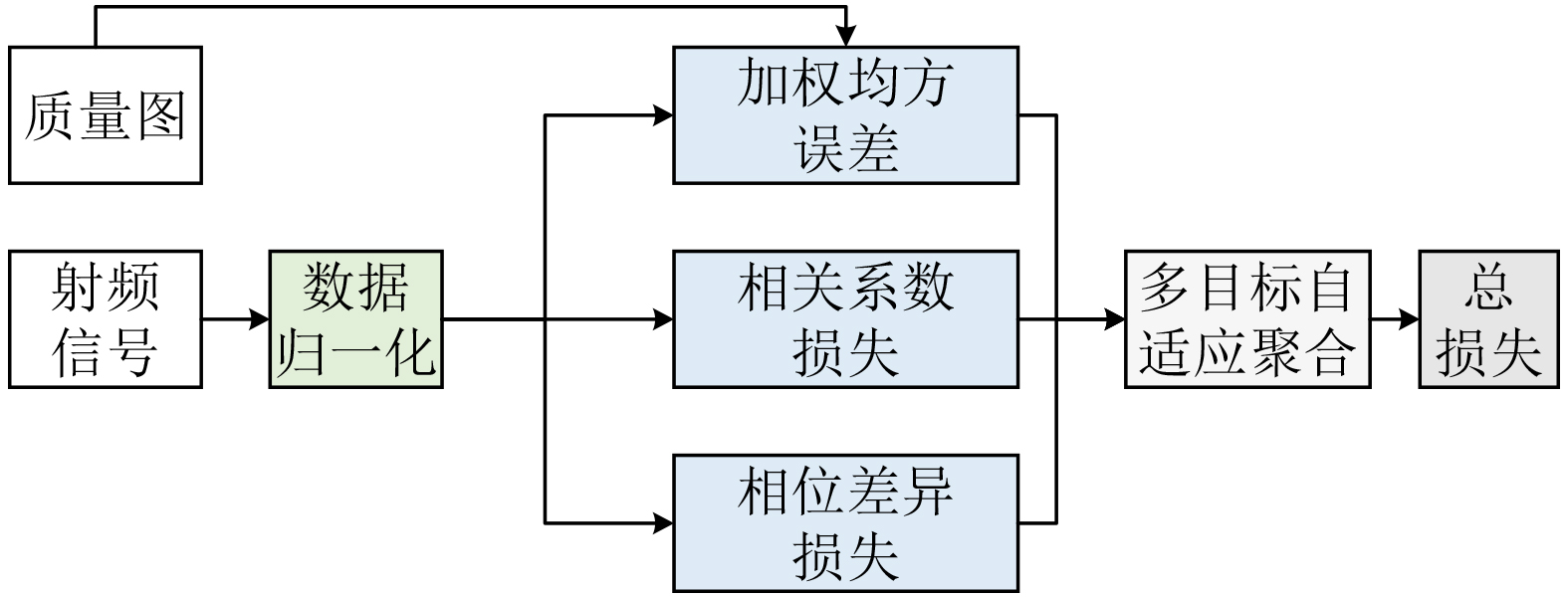
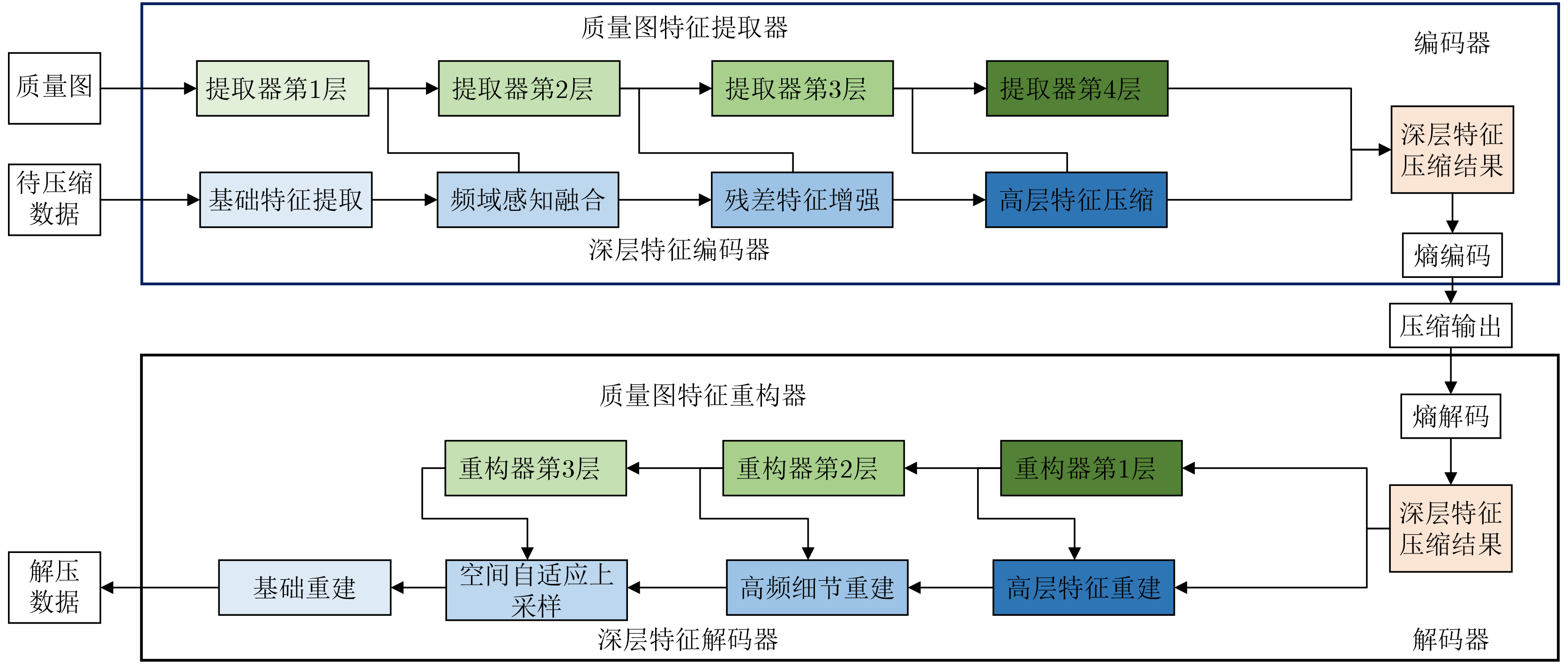
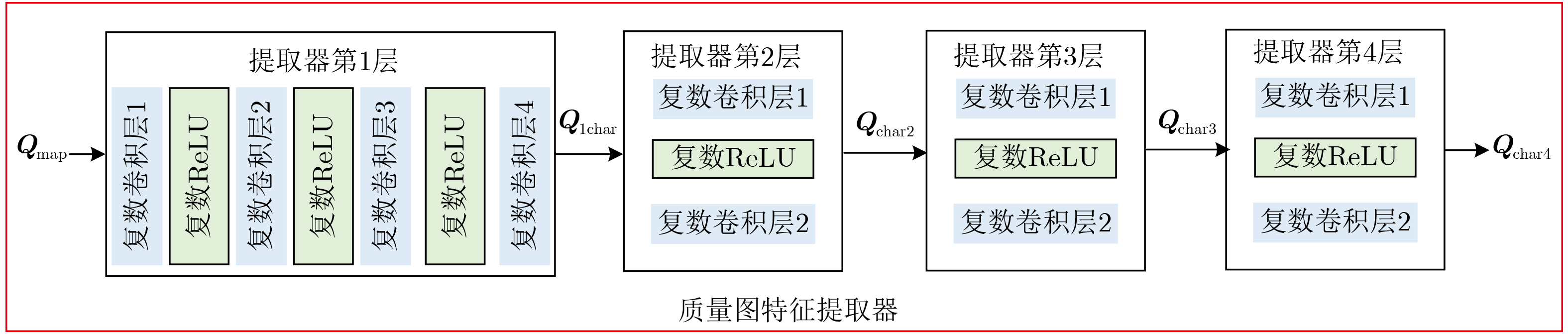
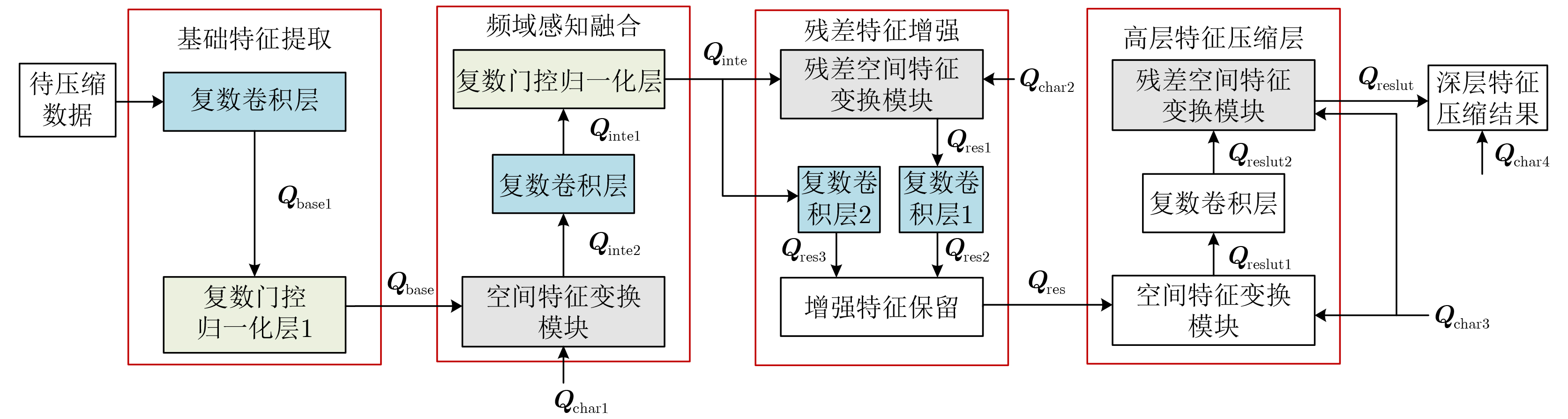
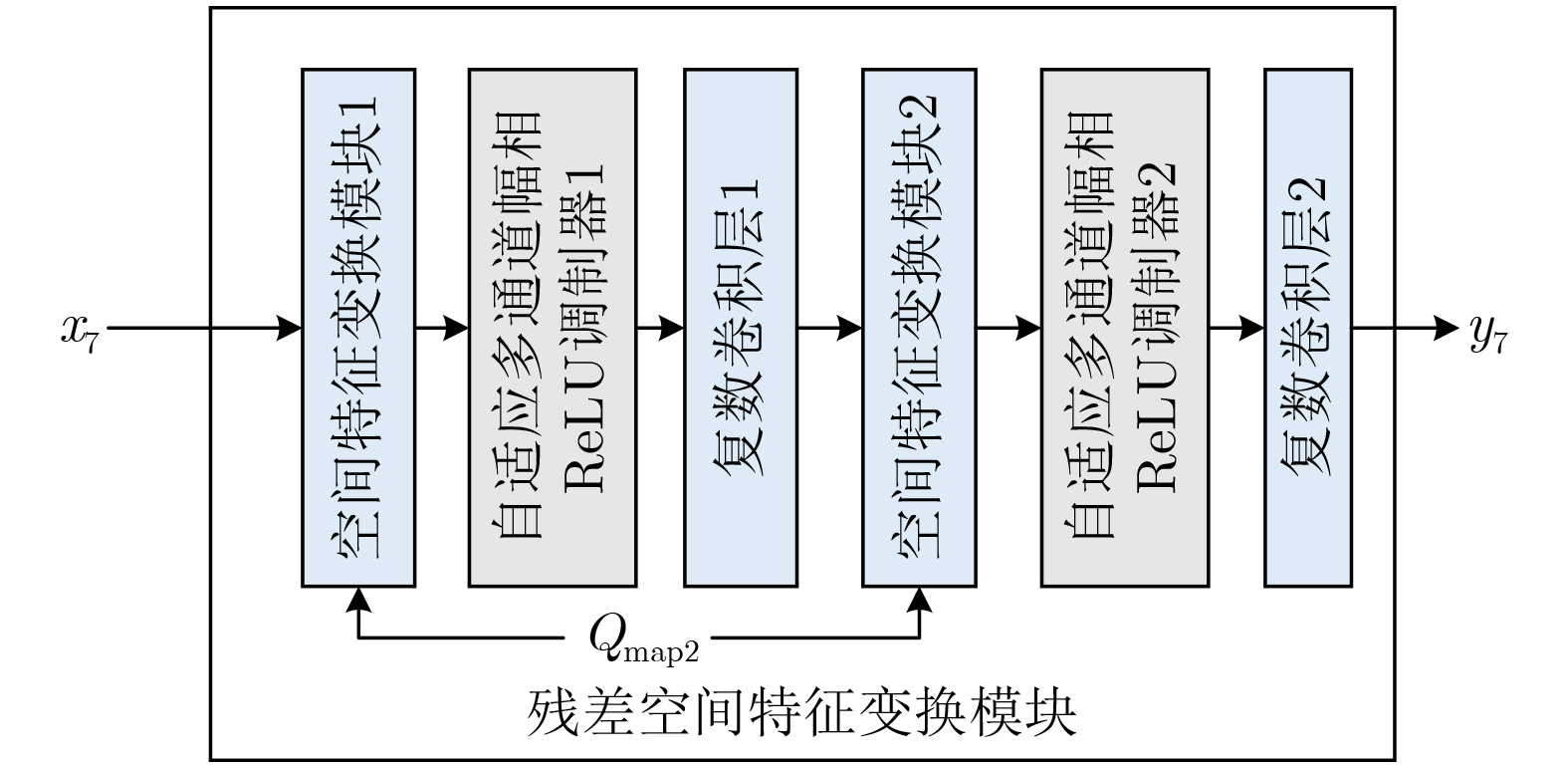
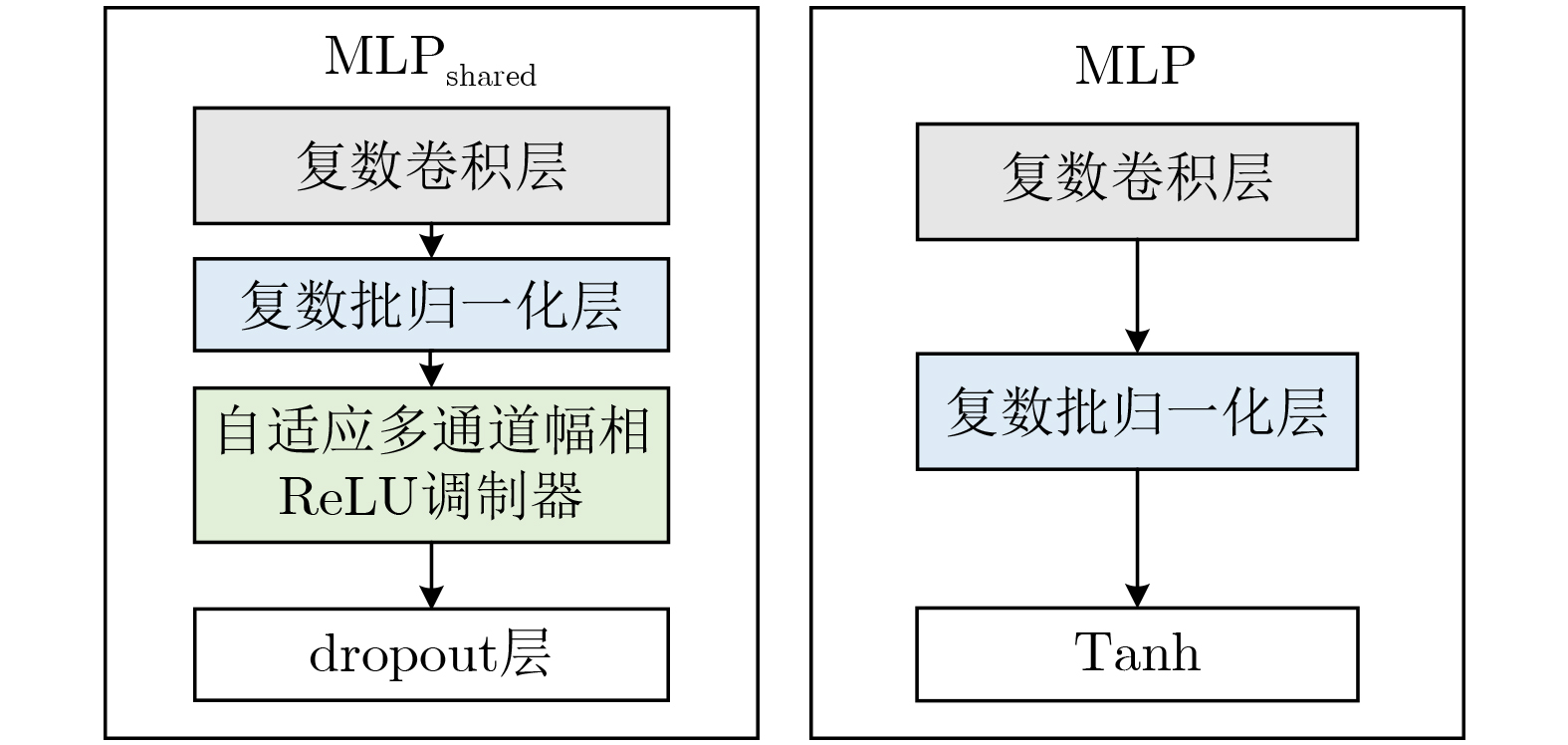
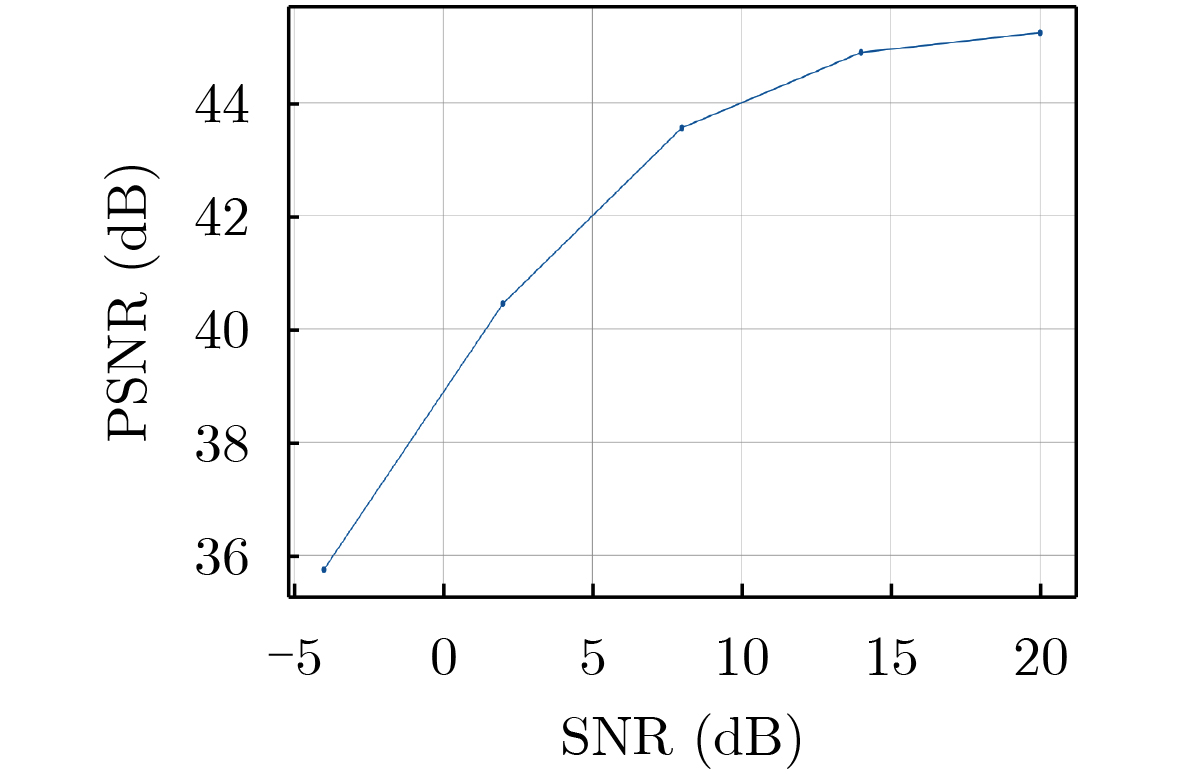
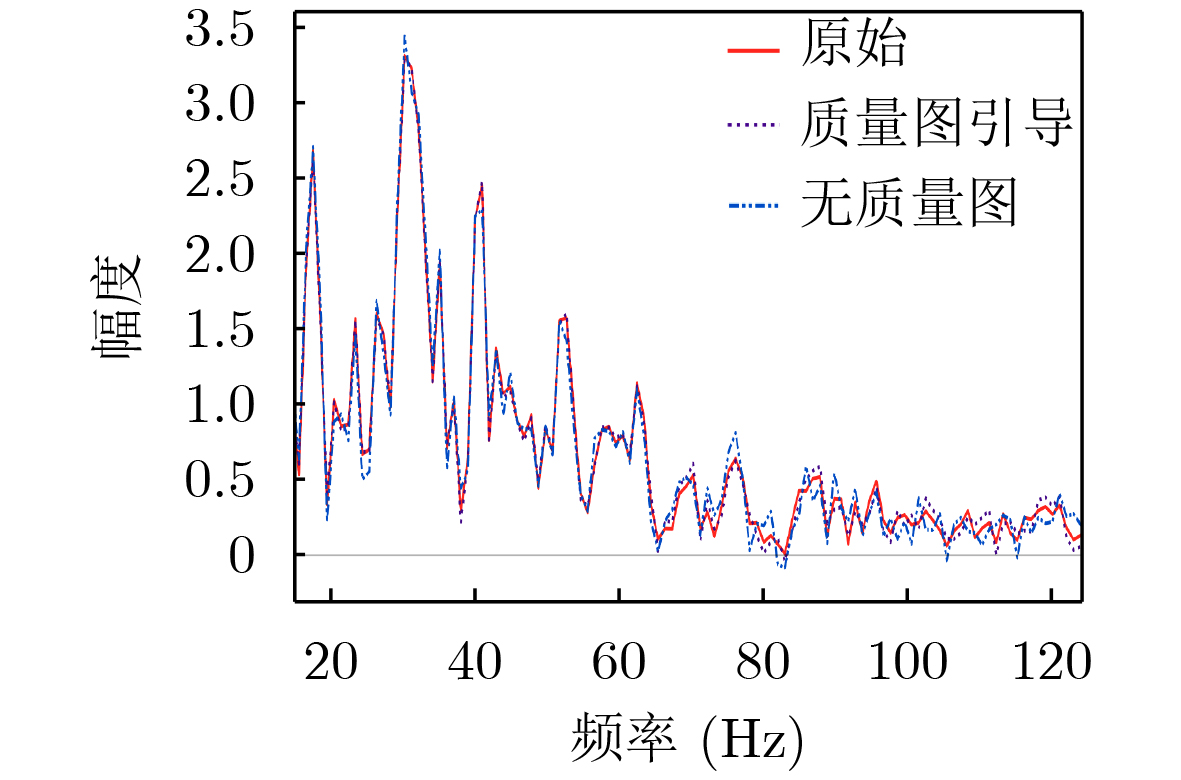
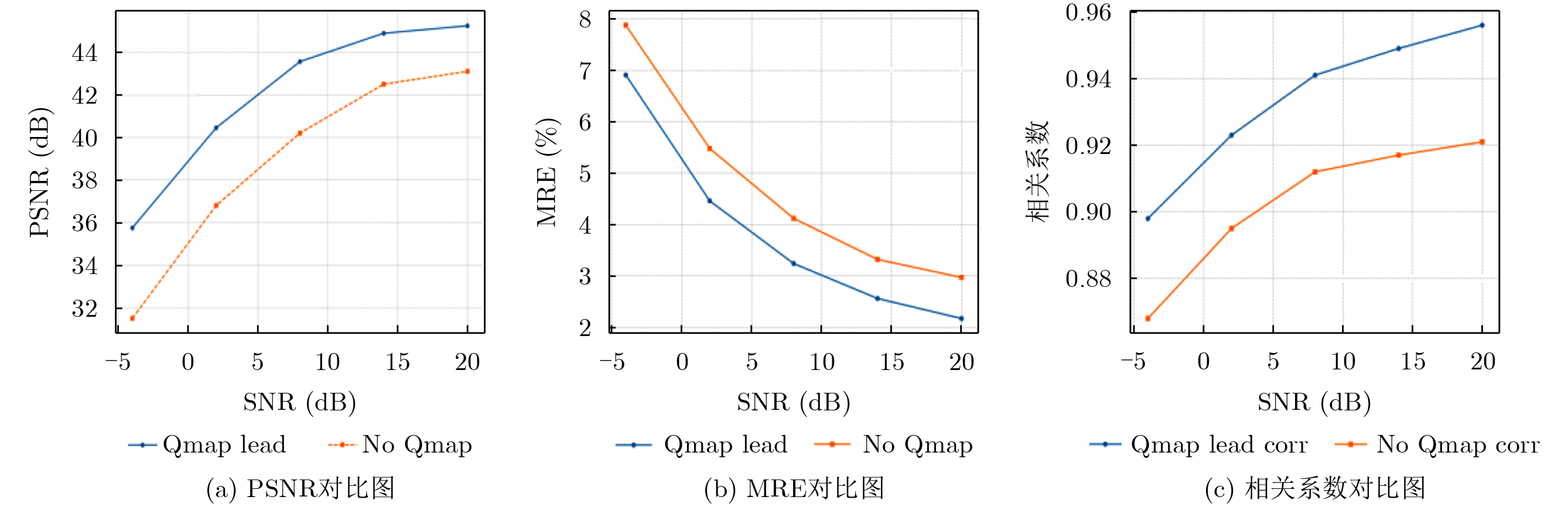
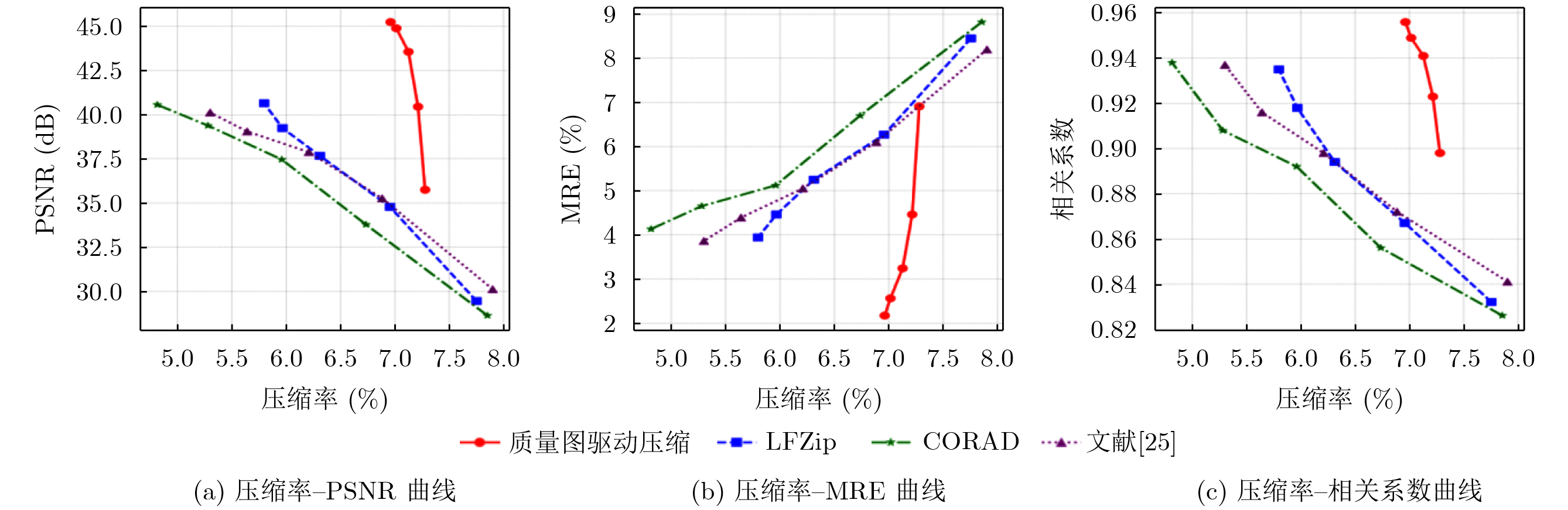
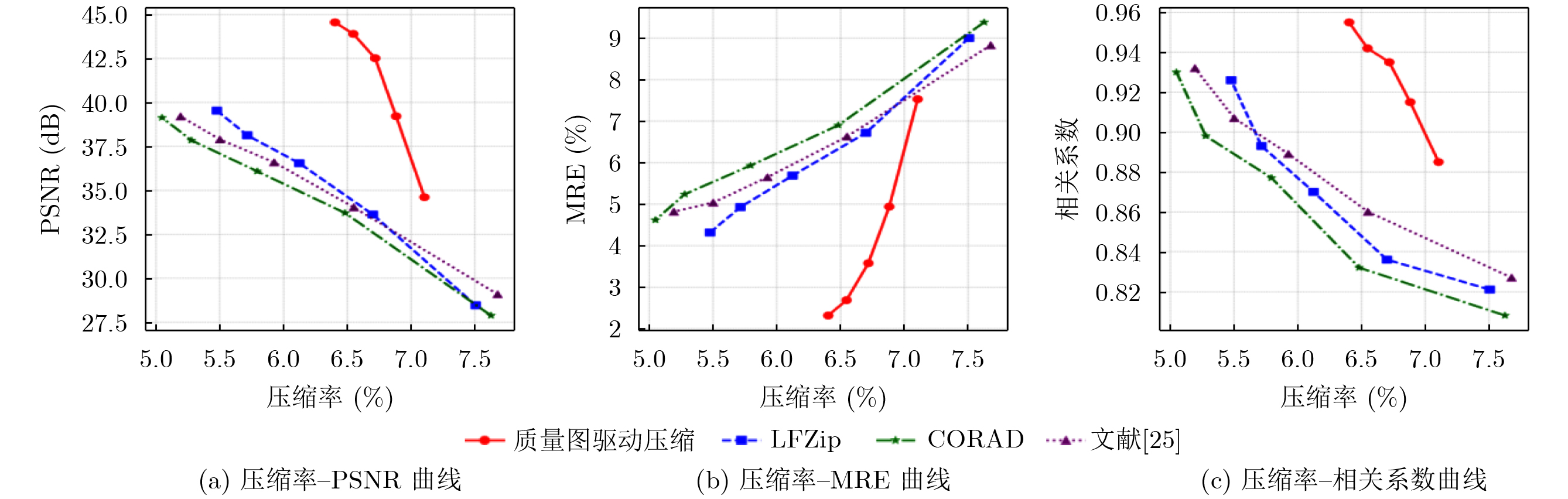
  •   Objective  In the context of intelligent evolution in communication and radar technologies, the inefficiency of radio frequency (RF) data compression has become a critical bottleneck restricting the expansion of transmission bandwidth and the improvement of system energy efficiency. Traditional compression methods struggle to balance compression ratio and reconstruction accuracy in complex scenarios with non-uniform energy distribution. This study aims to address the challenge of fidelity compression for spectral data with non-uniform energy distribution by developing an innovative method guided by a quality map to preserve high-energy regions, thereby enhancing the adaptability of RF signal processing in complex environments.  Methods  The proposed method employs a three-dimensional energy mask to dynamically guide the encoder to enhance features in high-energy regions, combined with multi-level complex convolution and inverted residual connections for efficient feature extraction and reconstruction. Key components include: Quality map: Derived from RF signals’ local energy and amplitude changes, fusing energy proportion and variation as structured prior. Loss function: Rate-distortion joint optimization integrating WMSE, complex correlation, and phase difference losses, with learnable parameters balancing objectives (Fig. 1).Compression network: Encoder-decoder framework with quality map extractors, deep encoders/decoders, and entropy coding, using complex convolution, residual spatial transformation (multi-scale features, high-frequency details), and gated normalization (low-energy noise suppression) (Figs. 26).  Results and Discussions  Experiments on the public dataset RML2018.01a demonstrate the superiority of the proposed method:Reconstruction Accuracy: Visual comparisons of real/imaginary parts and amplitude spectra show high overlap between reconstructed and original signals (Figs. 78), with errors concentrated in low-energy regions. PSNR remains ≥35 dB across the tested –4–20 dB SNR range, ensuring robust performance even in extreme low-SNR conditions (Fig. 9).Ablation Experiments: Removing the quality map guidance mechanism leads to significant reconstruction errors in high-energy regions, as reflected by lower PSNR, higher mean relative error (MRE), and reduced correlation coefficients compared to the full algorithm (Figs. 9), validating the quality map’s critical role in protecting high-energy features.Comparative Analysis: Compared with traditional methods (LFZip, CORAD), the proposed method achieves superior performance at -4 dB SNR: higher PSNR (35.75 dB vs. ≤29.45 dB), lower MRE (6.91% vs. ≥8.45%), and stronger correlation coefficients (0.898 vs. ≤0.832), with a slightly lower compression ratio (Table 1).Self-built Dataset Validation: To verify adaptability to practical complex scenarios, supplementary experiments were conducted on a MATLAB-simulated dataset (Table 3): 5 modulations (BPSK, QPSK, 8PSK, 16QAM, 64QAM), AWGN+Rayleigh fading channel, –4–20 dB SNR (step 6 dB), 25k samples (1k per modulation per SNR), 8:1:1 split. Even under fading channels, the method outperforms baselines at –4 dB SNR: PSNR 34.61 dB (vs. 28.46/27.88 dB), MRE 7.53% (vs. 9.00%/9.38%), correlation 0.885 (vs. 0.821/0.808; Table 3), with optimal rate-distortion performance across all compression ratios (Fig. 11).Slight performance reduction vs. RML2018.01a is attributed to Rayleigh fading-induced energy dispersion, but consistent superiority across datasets confirms the method’s strong robustness to non-uniform energy distribution and complex channel characteristics in practical applications.  Conclusions  This study presents a quality map-guided fidelity compression method for RF data in the frequency domain, addressing the challenge of non-uniform energy distribution. The method efficiently preserves high-energy region features through dynamic feature enhancement and multi-dimensional loss optimization. Experimental results highlight its advantages in reconstruction accuracy and noise resistance, providing a new framework for high-fidelity compression of complex RF signals in communication and radar systems. Future work will focus on extending the method to real-time processing scenarios and integrating physical layer constraints to further improve practical applicability.
  • loading
  • [1]
    VAN DEN OORD A, KALCHBRENNER N, and KAVUKCUOGLU K. Pixel recurrent neural networks[C]. Proceedings of the 33rd International Conference on Machine Learning, New York, USA, 2016: 1747–1756.
    [2]
    VAN DEN OORD A, KALCHBRENNER N, VINYALS O, et al. Conditional image generation with PixelCNN decoders[C]. Proceedings of the 30th International Conference on Neural Information Processing Systems, Barcelona, Spain, 2016: 4797–4805.
    [3]
    SALIMANS T, KARPATHY A, CHEN Xi, et al. PixelCNN++: Improving the PixelCNN with discretized logistic mixture likelihood and other modifications[C]. Proceedings of the 5th International Conference on Learning Representations, Toulon, France, 2017: 1–10.
    [4]
    REED S, VAN DEN OORD A, KALCHBRENNER N, et al. Parallel multiscale autoregressive density estimation[C]. Proceedings of the 34th International Conference on Machine Learning, Sydney, Australia, 2017: 2912–2921.
    [5]
    CHEN Xi, MISHRA N, ROHANINEJAD M, et al. PixelSNAIL: An improved autoregressive generative model[C]. Proceedings of the 35th International Conference on Machine Learning, Stockholm, Sweden, 2018: 864–872.
    [6]
    CHANDAK S, TATWAWADI K, WEN Chengtao, et al. LFZip: Lossy compression of multivariate floating-point time series data via improved prediction[C]. Proceedings of 2020 Data Compression Conference (DCC), Snowbird, USA, 2020: 342–351. doi: 10.1109/DCC47342.2020.00042.
    [7]
    HARIS T and ONAK K. Compression barriers for autoregressive transformers[EB/OL]. https://arxiv.org/abs/2502.15955, 2025.
    [8]
    LOGUE K. Glaucus: A complex-valued radio signal autoencoder[C]. Proceedings of 2023 IEEE Aerospace Conference, Big Sky, USA, 2023: 1–5. doi: 10.1109/AERO55745.2023.10115599.
    [9]
    ROSENBERGER J, KÜBEL A, and ROTHFUß F. Comparison and extension of autoencoder models for uni- and multivariate signal compression in IIoT[C]. Proceedings of 2022 Data Compression Conference (DCC), Snowbird, USA, 2022: 481. doi: 1 0.1109/DCC52660.2022.00092.
    [10]
    HE Peng, MENG Shaoming, CUI Yaping, et al. Compression and encryption of heterogeneous signals for internet of medical things[J]. IEEE Journal of Biomedical and Health Informatics, 2024, 28(5): 2524–2535. doi: 10.1109/JBHI.2023.3264997.
    [11]
    KINGMA D P and WELLING M. Auto-encoding variational Bayes[C]. Proceedings of the 2nd International Conference on Learning Representations, Banff, Canada, 2014: 1–14.
    [12]
    DINH L, SOHL-DICKSTEIN J, and BENGIO S. Density estimation using real NVP[C]. Proceedings of the 5th International Conference on Learning Representations, Toulon, France, 2017: 1–32.
    [13]
    KUMBLE L and PATIL K K. An improved data compression framework for wireless sensor networks using stacked convolutional autoencoder (S-CAE)[J]. SN Computer Science, 2023, 4(4): 419. doi: 10.1007/s42979-023-01845-7.
    [14]
    LIANG Zhenyu, CHEN Letian, and XIAO Wenbin. Compression autoencoder for high-resolution ocean sound speed profile data[J]. Journal of Physics: Conference Series, 2024, 2718: 012067. doi: 10.1088/1742-6596/2718/1/012067.
    [15]
    BASTOLA S and TEKES C. Vector-quantization variational autoencoder based data rate reduction for wireless ultrasound imaging systems[C]. Proceedings of the SoutheastCon 2024, Atlanta, USA, 2024: 1426–1431. doi: 10.1109/SoutheastCon52093.2024.10500188.
    [16]
    RODRIGUEZ A, KAASARAGADDA Y, and KOKALJ-FILIPOVIC S. Deep-learned compression for radio-frequency signal classification[C]. Proceedings of 2024 IEEE International Symposium on Information Theory Workshops, Athens, Greece, 2024: 1–6. doi: 10.1109/ISIT-W61686.2024.10591760.
    [17]
    KOMPELLA S K, DAVASLIOGLU K, SAGDUYU Y E, et al. Augmenting training data with vector-quantized variational autoencoder for classifying RF signals[C]. Proceedings of the MILCOM 2024 - 2024 IEEE Military Communications Conference, Washington, USA, 2024: 1–6. doi: 10.1109/MILCOM61039.2024.10773675.
    [18]
    TODERICI G, O’MALLEY S M, HWANG S J, et al. Variable rate image compression with recurrent neural networks[C]. Proceedings of the 4th International Conference on Learning Representations, San Juan, USA, 2024: 1–12.
    [19]
    DASAN E and JEYABALAN N S J. Towards the analysis of regularized denoising autoencoder for biosignal processing: Lasso versus ridge norms[J]. Wireless Personal Communications, 2024, 134(1): 319–338. doi: 10.1007/s11277-024-10912-y.
    [20]
    RUSSELL M and WANG Peng. Physics-informed deep learning for signal compression and reconstruction of big data in industrial condition monitoring[J]. Mechanical Systems and Signal Processing, 2022, 168: 108709. doi: 10.1016/j.ymssp.2021.108709.
    [21]
    CHEN Tong, LIU Haojie, MA Zhan, et al. End-to-end learnt image compression via non-local attention optimization and improved context modeling[J]. IEEE Transactions on Image Processing, 2021, 30: 3179–3191. doi: 10.1109/TIP.2021.3058615.
    [22]
    XIE Huiqiang and QIN Zhijin. A lite distributed semantic communication system for internet of things[J]. IEEE Journal on Selected Areas in Communications, 2021, 39(1): 142–153. doi: 10.1109/JSAC.2020.3036968.
    [23]
    ELBIR A M, PAPAZAFEIROPOULOS A K, and CHATZINOTAS S. Federated learning for physical layer design[J]. IEEE Communications Magazine, 2021, 59(11): 81–87. doi: 10.1109/MCOM.101.2100138.
    [24]
    ZHANG Yangyang, YU Danyang, ZHANG Xichang, et al. An autoregressive model-based differential framework with learnable regularization for CSI feedback in time-varying massive MIMO systems[J]. IEEE Communications Letters, 2025, 29(1): 230–234. doi: 10.1109/LCOMM.2024.3512537.
    [25]
    ALTED F. Blosc: A blocking, shuffling and loss-less compression library[EB/OL]. https://blosc.org, 2018. (查阅网上资料,未找到本条文献信息,请确认).
    [26]
    KHELIFATI A, KHAYATI M, and CUDRÉ-MAUROUX P. CORAD: Correlation-aware compression of massive time series using sparse dictionary coding[C]. Proceedings of 2019 IEEE International Conference on Big Data (Big Data), Los Angeles, USA, 2019: 2289–2298. doi: 10.1109/BigData47090.2019.9005580.
    [27]
    MAULIDINA A P, WIJAYA R A, MAZEL K, et al. Comparative study of data compression algorithms: Zstandard, zlib & LZ4[C]. Proceedings of the 2nd International Conference on Science, Engineering Management and Information Technology, Ankara, Turkey, 2024: 394–406. doi: 10.1007/978-3-031-72284-4_24.
    [28]
    ZENG Yijing, CALVO-PALOMINO R, GIUSTINIANO D, et al. Adaptive uplink data compression in spectrum crowdsensing systems[J]. IEEE/ACM Transactions on Networking, 2023, 31(5): 2207–2221. doi: 10.1109/TNET.2023.3239378.
  • 加载中

Catalog

    通讯作者: 陈斌, bchen63@163.com
    • 1. 

      沈阳化工大学材料科学与工程学院 沈阳 110142

    1. 本站搜索
    2. 百度学术搜索
    3. 万方数据库搜索
    4. CNKI搜索

    Figures(11)  / Tables(4)

    Article Metrics

    Article views (23) PDF downloads(1) Cited by()
    Proportional views
    Related

    /

    DownLoad:  Full-Size Img  PowerPoint
    Return
    Return