




Decoupled Representation Learning with Physical Constraints for Indoor Visible Light Target Perception
-
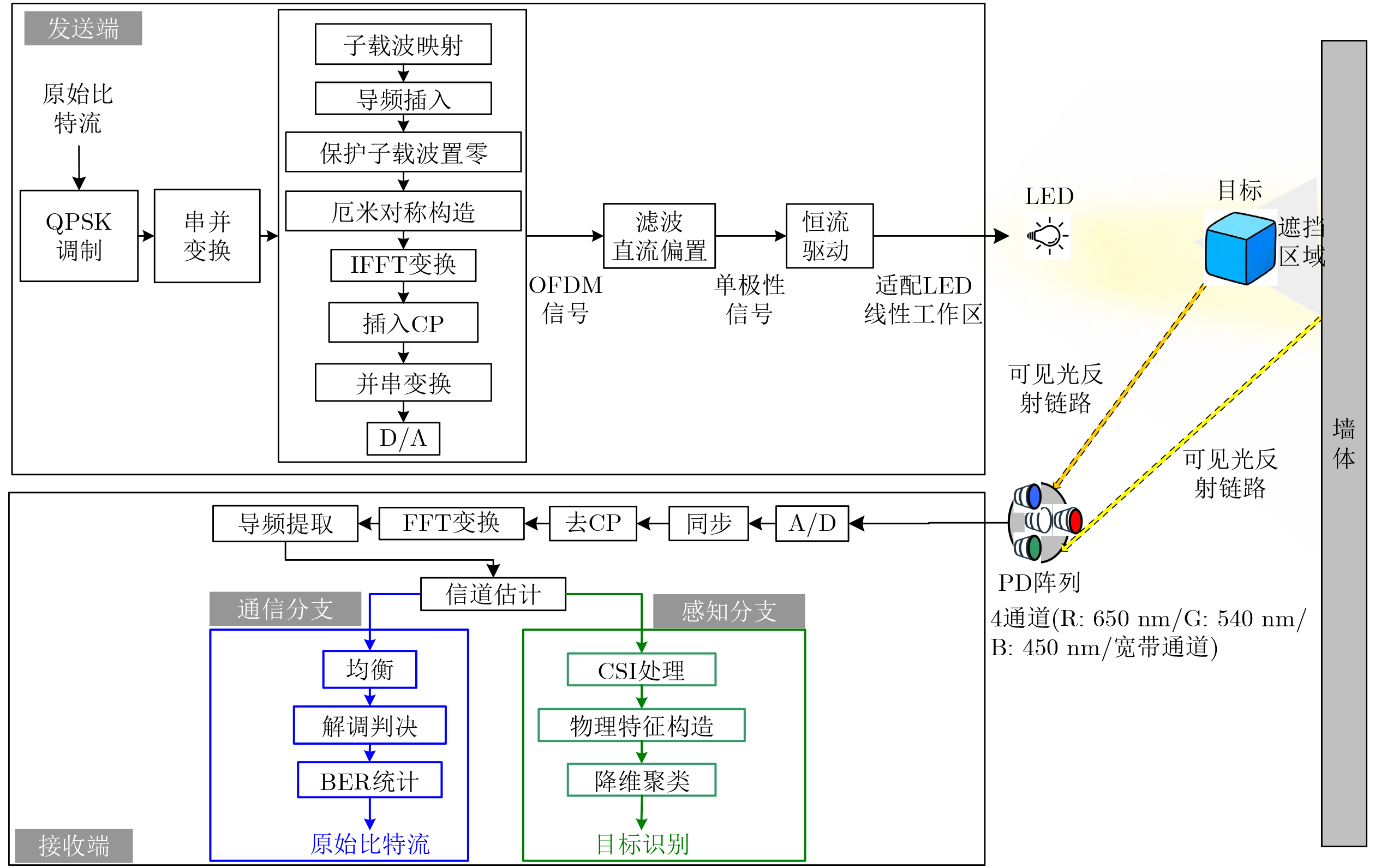
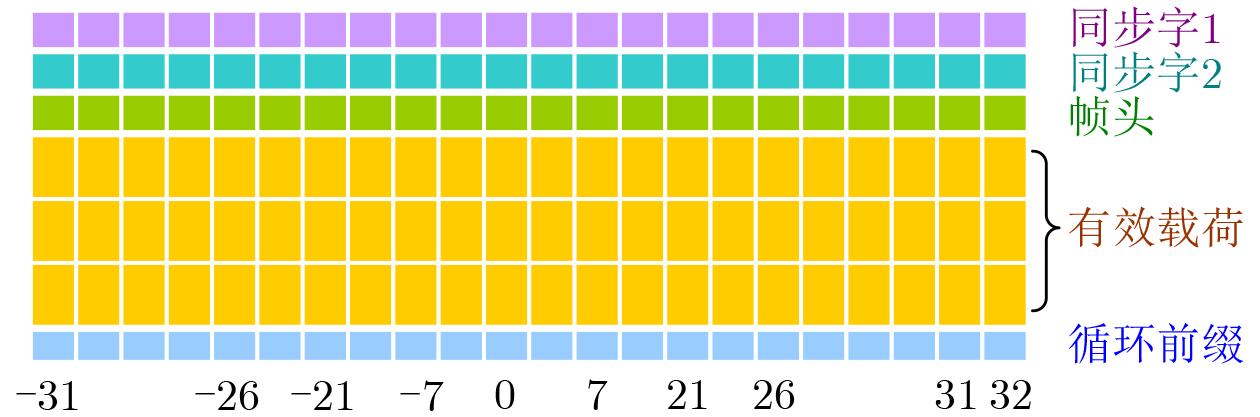
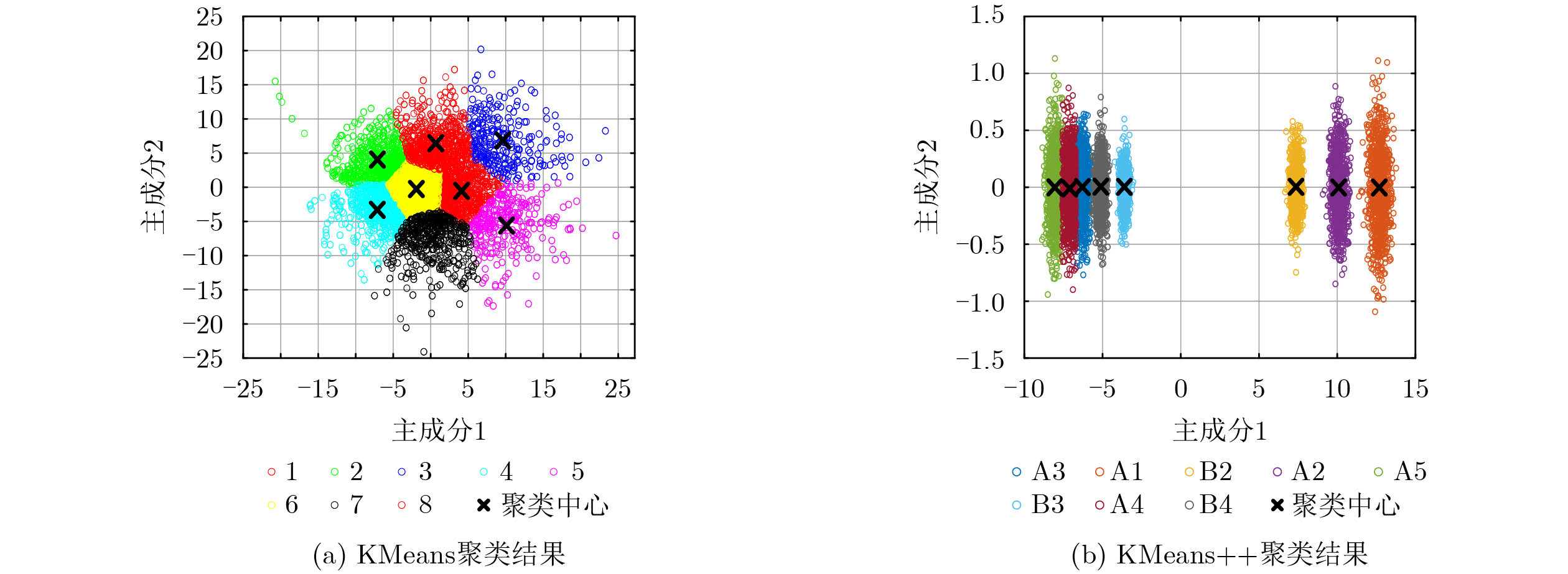
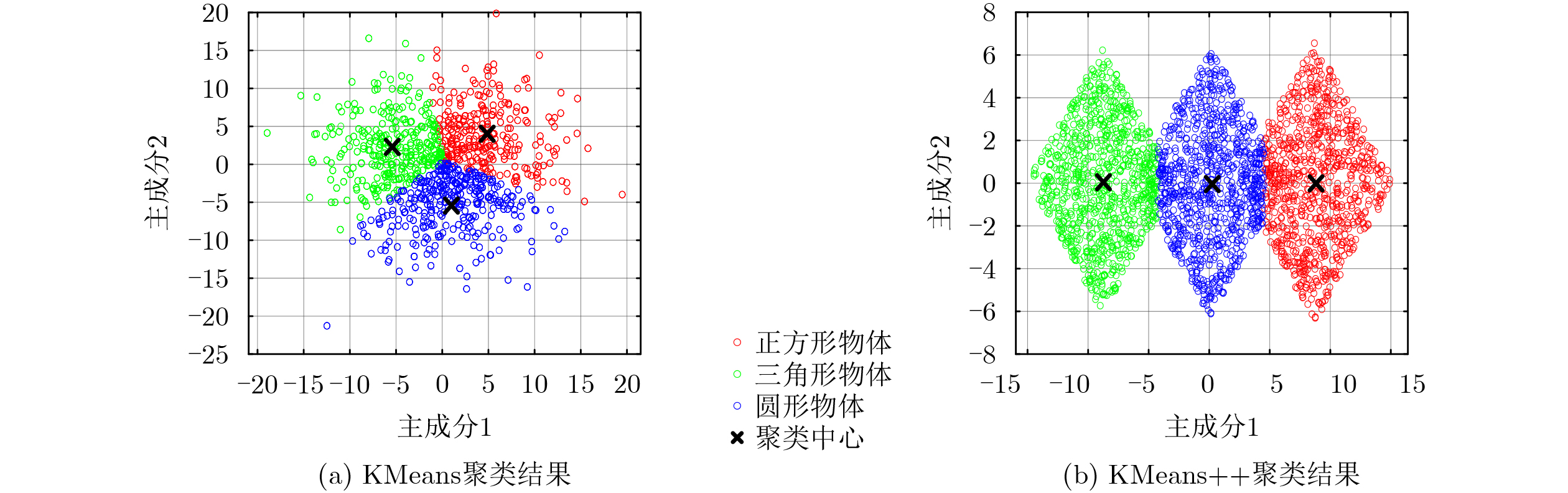
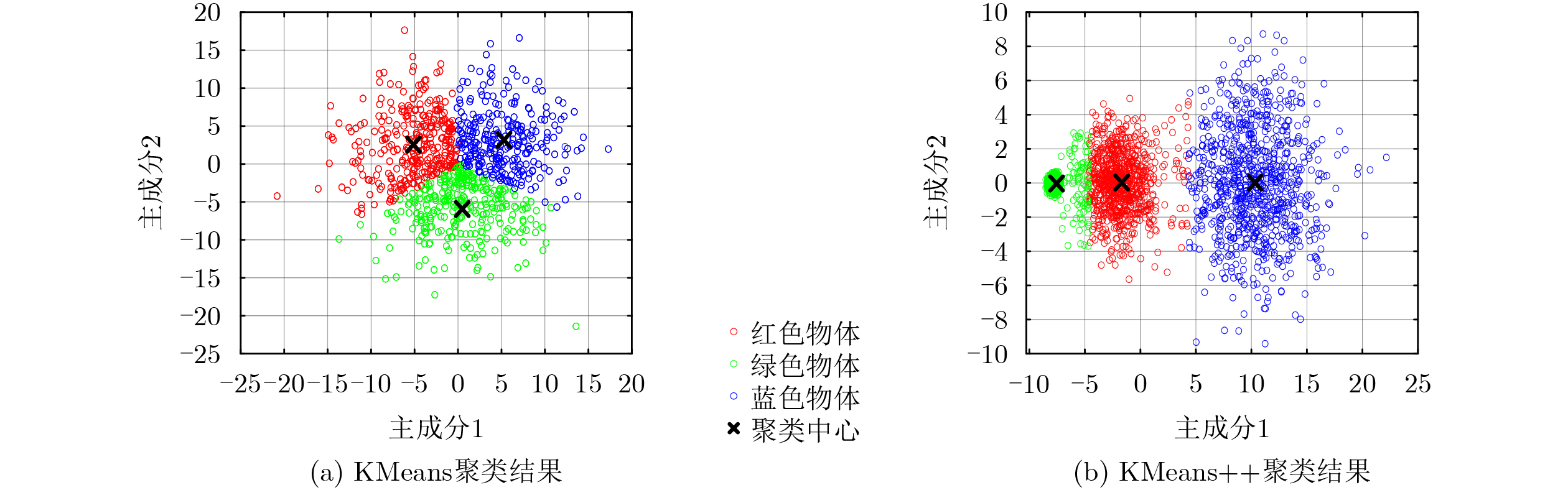
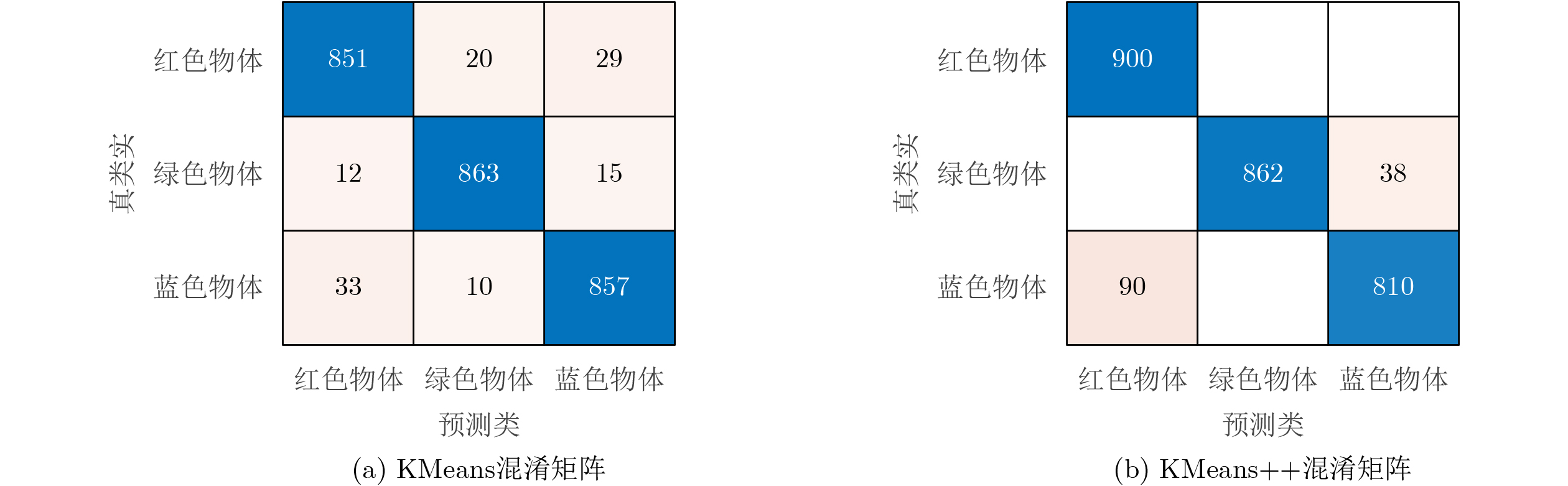
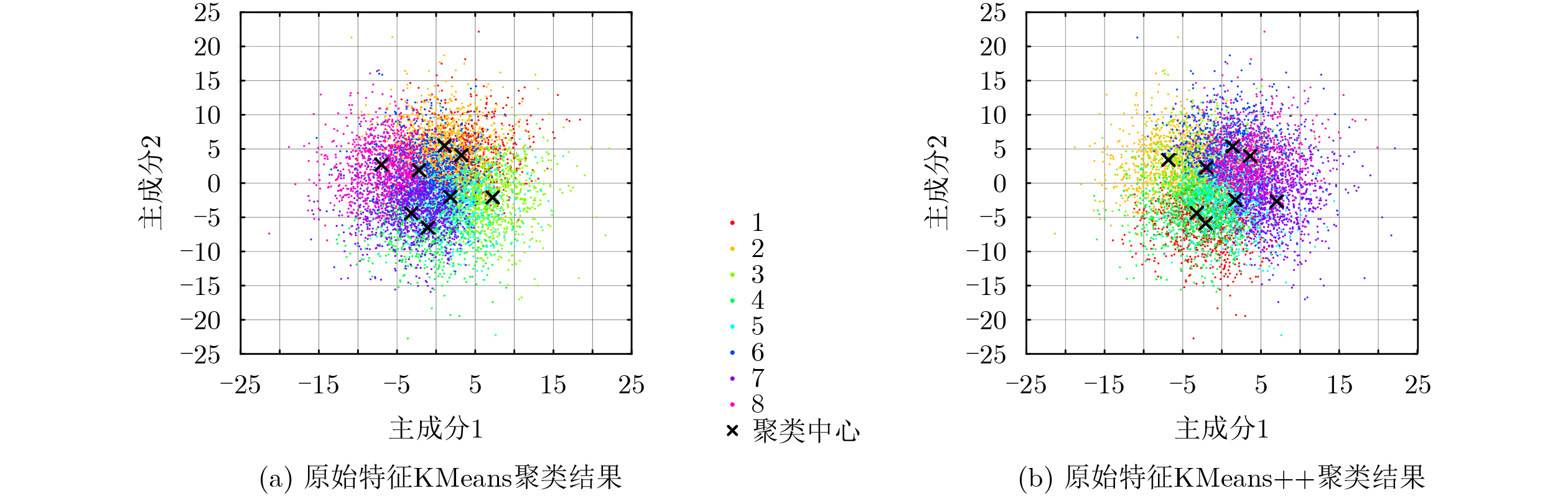
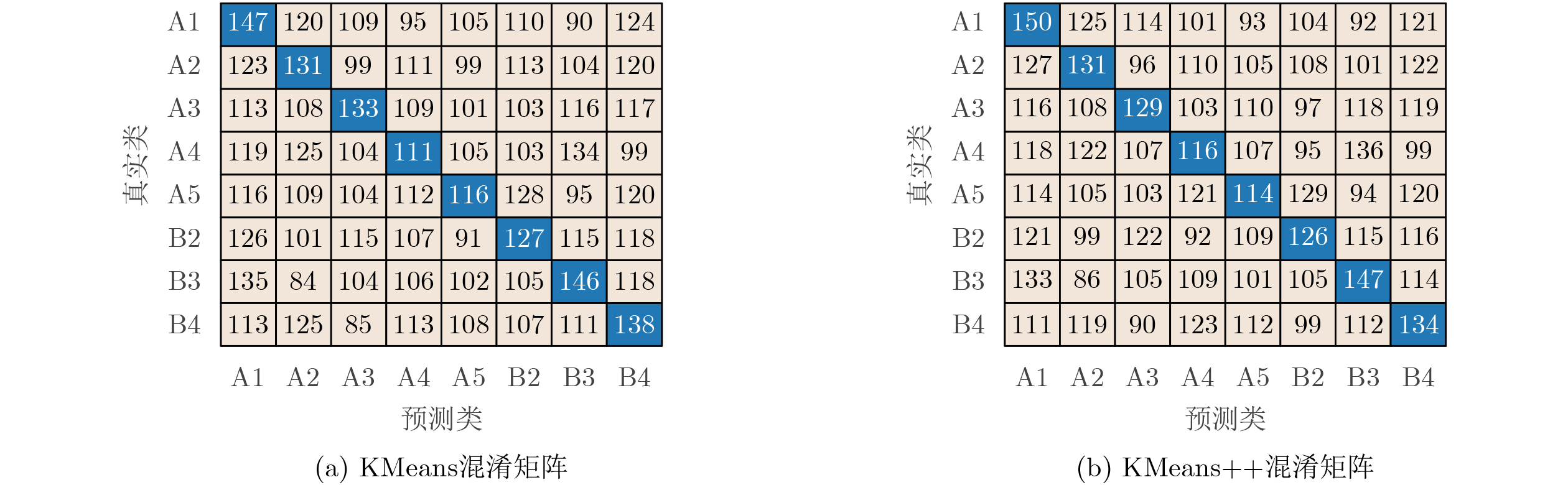
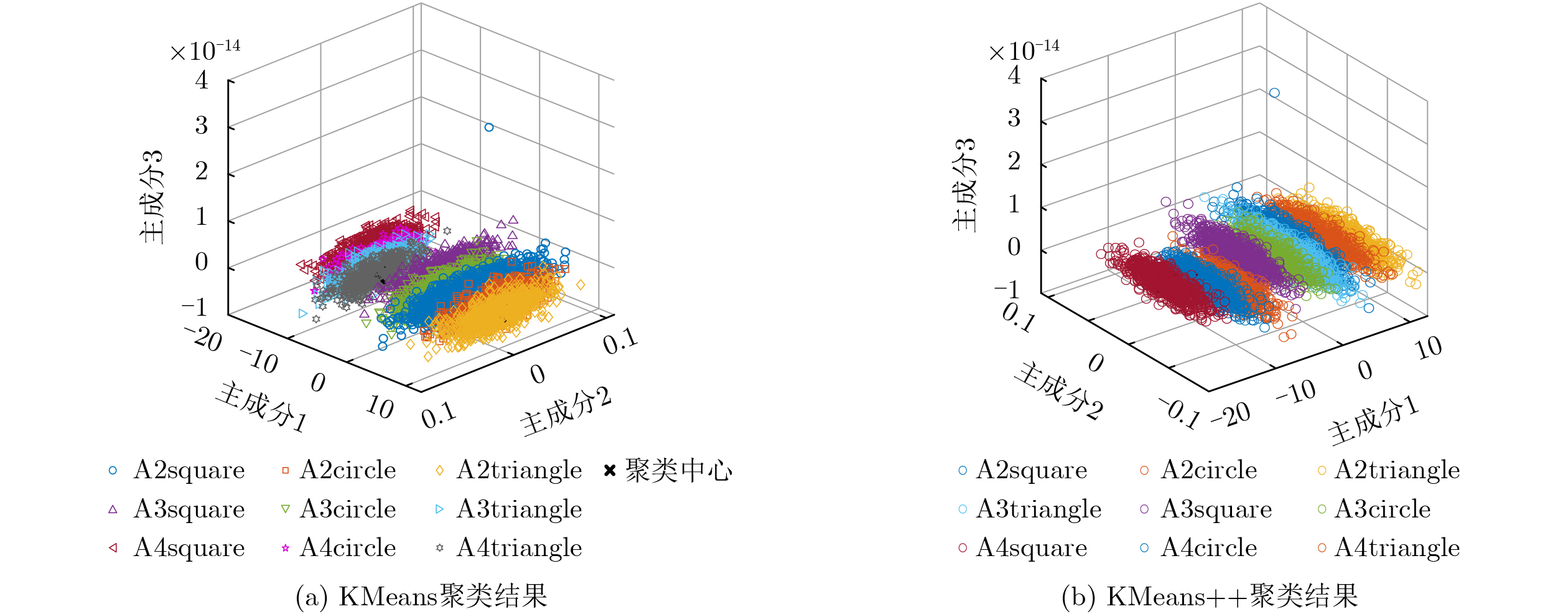
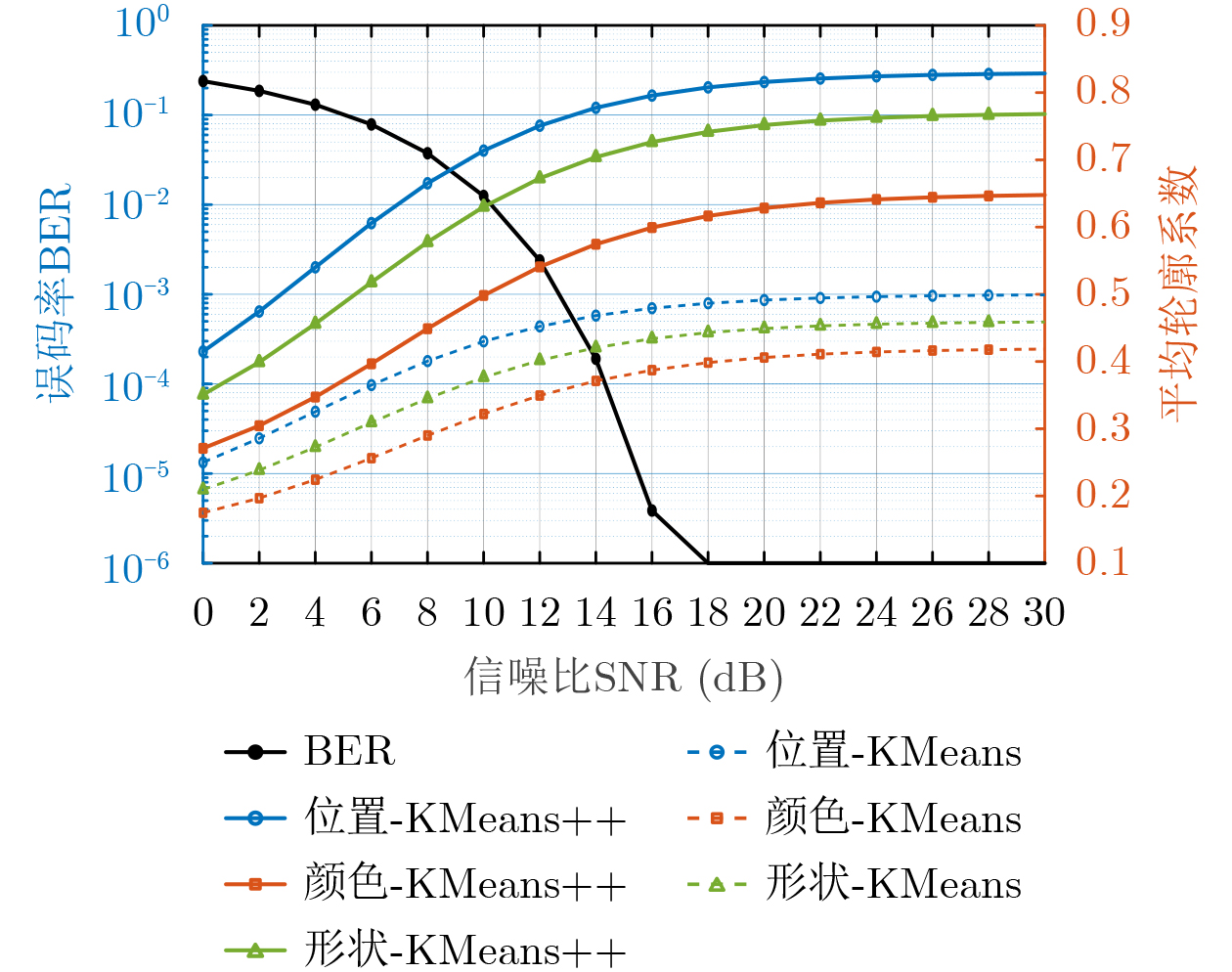
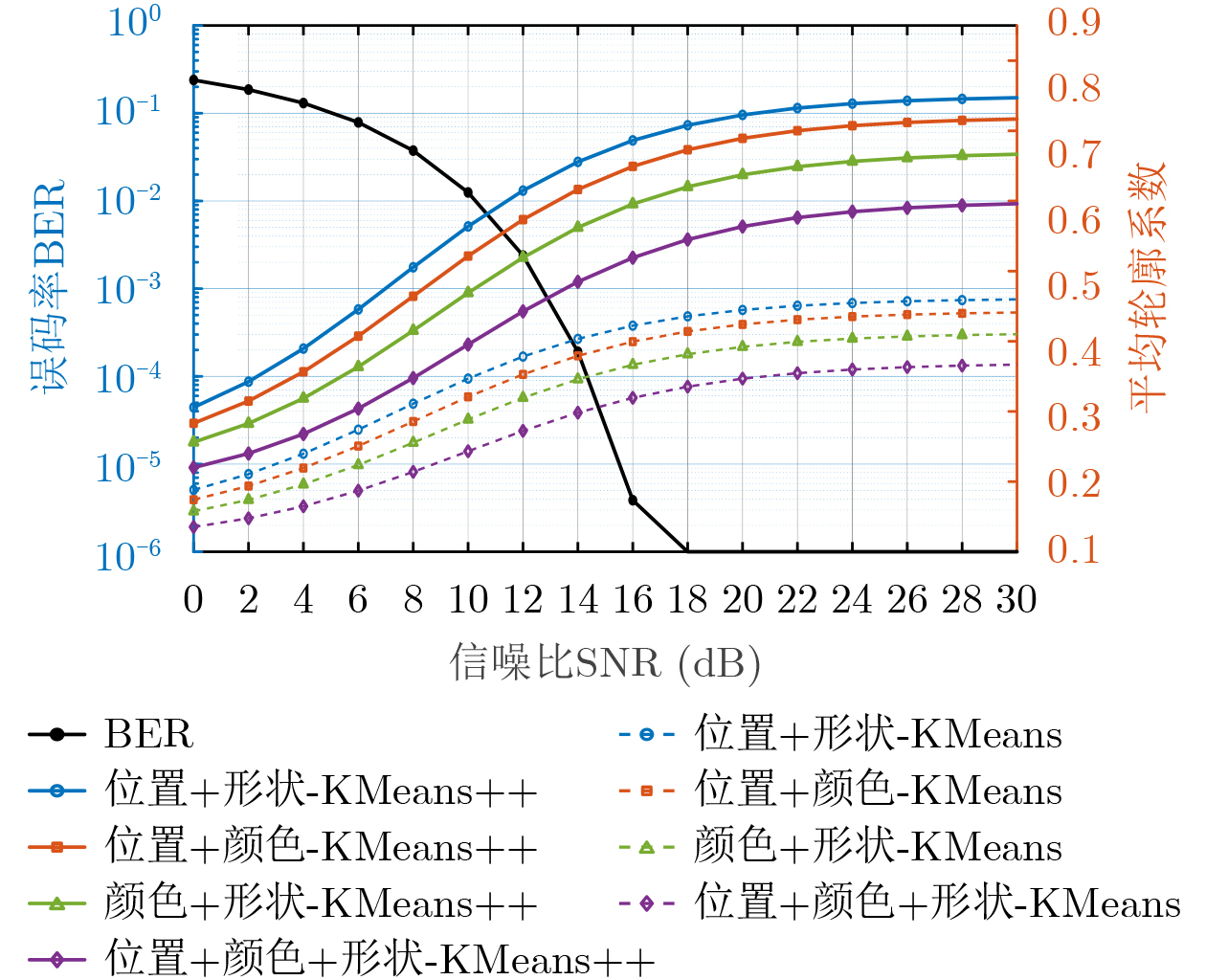
摘要: 针对室内监控场景中可见光反射链路目标多属性(位置、颜色、形状)在信道状态信息(CSI)中高度耦合、难以分离的问题,本文提出一种物理约束的解耦表示学习方法。在现有通信链路上,利用正交频分复用信号获取多通道CSI,并依据光传输机理,分别为颜色、位置与形状构造具有明确物理意义的可解释特征,在特征构造阶段实现属性间的显式解耦。通过特征层融合与主成分分析降维,结合KMeans++无监督聚类,在无需带标签训练数据条件下实现多属性目标识别。同时,从通信链路角度分析CSI估计误差、误码率与特征可分性之间的耦合关系。实验结果表明,单属性识别中位置、颜色、形状的平均轮廓系数分别为0.83、0.65、0.77;多特征融合导致特征耦合增强、类间重叠加剧,轮廓系数随属性增加而下降。本文工作验证了利用物理先验约束进行多属性解耦表示学习的有效性,为低硬件开销室内目标感知与通信-感知协同设计提供了参考。Abstract: To address the problem that target multi-attributes (position, color, and shape) are highly coupled and difficult to separate in Channel State Information (CSI) over visible light reflection links for indoor monitoring scenarios, this paper proposes a physically-constrained disentangled representation learning method. On the existing communication link, orthogonal frequency division multiplexing signals are utilized to acquire multi-channel CSI. Based on optical transmission mechanisms including Lambertian reflection, geometric occlusion, and multipath delay, physically interpretable features for color, position, and shape are respectively constructed, achieving explicit disentanglement among attributes at the feature construction stage. Through feature-level fusion and principal component analysis for dimensionality reduction, combined with KMeans++ unsupervised clustering, multi-attribute target recognition is realized without requiring labeled training data. Meanwhile, the coupling relationships among CSI estimation error, bit error rate, and feature separability are analyzed from the communication link perspective. Experimental results show that in single-attribute recognition tasks, the average silhouette coefficients for position, color, and shape reach 0.83, 0.65, and 0.77, respectively. Multi-feature fusion leads to enhanced feature coupling and increased inter-class overlap, with silhouette coefficients decreasing as the number of fused attributes increases. This work validates the effectiveness of using physical prior constraints for multi-attribute disentangled representation learning, and provides a reference for low-hardware-overhead indoor target perception and communication-sensing co-design.
-
表 1 目标感知聚类流程
开始:输入数据矩阵$ \mathbf{Z}=\mathbf{\overline{X}}{\mathbf{V}}_{d} $($ N\times d $) 1. 从$ \mathbf{Z}=\mathbf{\overline{X}}{\mathbf{V}}_{d} $中随机选择一个聚类中心$ {\beta }_{1} $ 2. 对于每个样本$ {{{x}^{\prime}}}_{ij} $,计算$ {D}_{j}={\left|\left|{{{x}^{\prime}}}_{ij}-{\beta }_{1}\right|\right|}^{2} $ 3. 以与$ {D}_{j}{}^{2} $成正比的概率$ {P}_{}=\frac{{D}_{j}^{2}}{\displaystyle\sum \nolimits_{m=1}^{N}{D}_{m}^{2}} $选取第二个聚类中
心$ {\beta }_{2} $4. 重复步骤2-3,直至选出k个聚类中心(k等于待识别的联合状态
数)5. 分配样本至最近中心并迭代更新,直至收敛,输出聚类结果  下载: 导出CSV
表 2 实验平台与采集参数
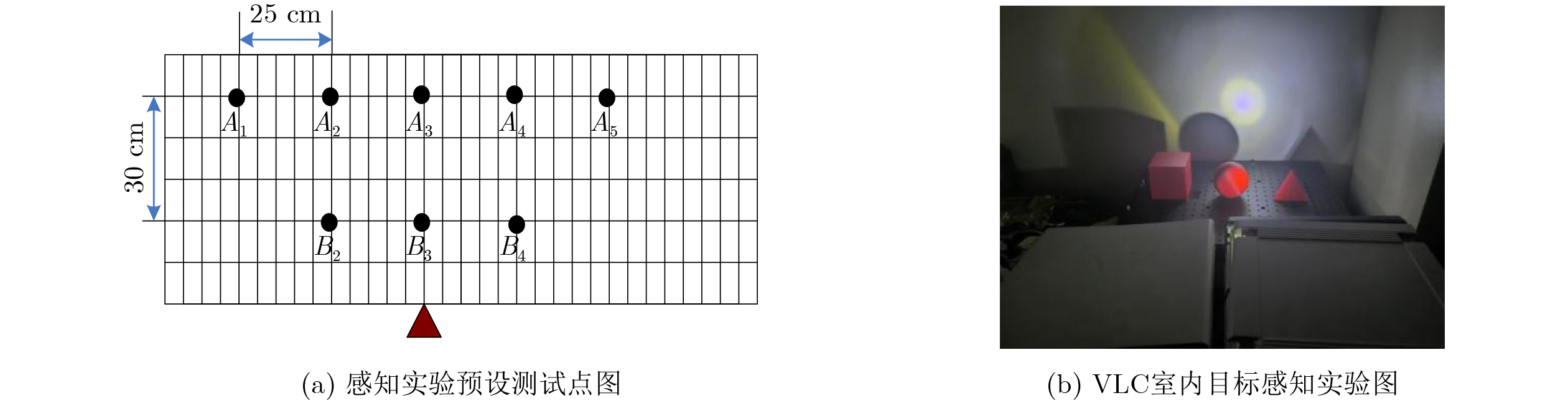
参数 参数值 每组采集帧数(OFDM帧) 1000 LED功率(瓦特) 1 墙面反射率 0.8 LED在3D空间的位置(厘米) [0,0,20] 墙面的尺寸(厘米) 100×100 感知对象尺寸(厘米) 正方体:边长10,三棱锥体:边长10,球体:直径10
下载: 导出CSV
表 3 不同CSI特征下单属性识别结果汇总
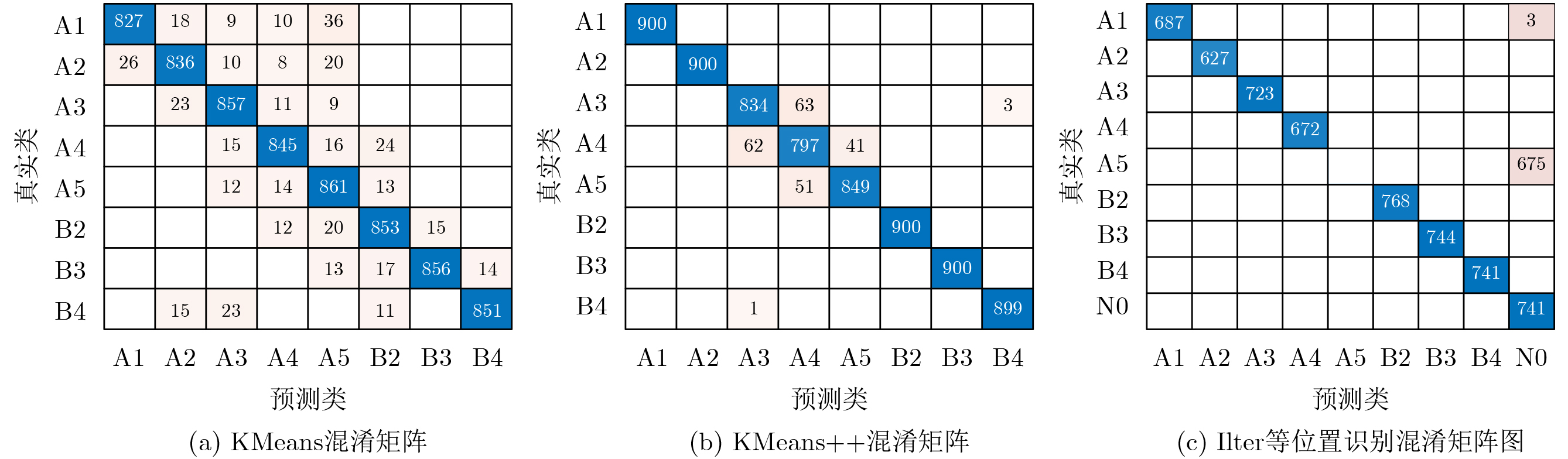
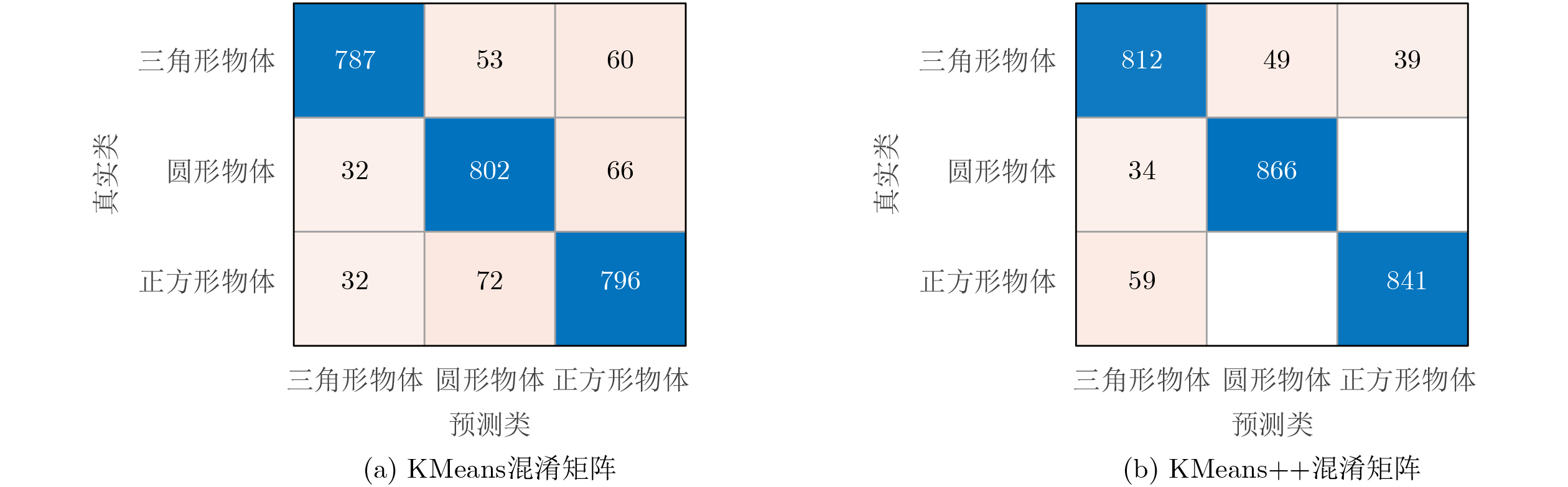
识别任务 KMeans平均轮廓系数 KMeans++平均轮廓系数 CSI类型 构造物理特征 原始特征 构造物理特征 原始特征 位置识别 0.50 0.29 0.83 0.29 形状识别 0.46 0.27 0.77 0.27 颜色识别 0.42 0.27 0.65 0.27
下载: 导出CSV
-
[1] 赵川斌, 孙红, 张腾宇, 等. 面向6G的通信感知一体化关键技术体系与硬件原型验证[J]. 电子与信息学报, 2025, 47(4): 932–947. doi: 10.11999/JEIT241114.ZHAO Chuanbin, SUN Hong, ZHANG Tengyu, et al. Integrated sensing and communications framework for 6G: Key technologies and hardware prototype validation[J]. Journal of Electronics & Information Technology, 2025, 47(4): 932–947. doi: 10.11999/JEIT241114. [2] WU Yali, SUN Lei, LIU Xiaoshuang, et al. Research on energy efficiency optimization of visible light communication based on non-orthogonal multiple access[J]. Electronics, 2024, 13(8): 1562. doi: 10.3390/electronics13081562. [3] XIE Pengjin, LI Lingkun, WANG Jiliang, et al. Passive visible light tag system for localization and posture estimation[J]. IEEE Transactions on Mobile Computing, 2024, 23(8): 8541–8556. doi: 10.1109/TMC.2023.3348802. [4] 刘晓东, 宁依婷, 董帆, 等. 大规模多输入多输出可见光通感一体化系统的信道状态信息还原和定位[J]. 电子与信息学报, 2024, 46(6): 2391–2400. doi: 10.11999/JEIT231389.LIU Xiaodong, NING Yiting, DONG Fan, et al. Channel state information restoration and positioning of massive multiple input multiple output integrated visible light communication and sensing system[J]. Journal of Electronics & Information Technology, 2024, 46(6): 2391–2400. doi: 10.11999/JEIT231389. [5] LI Tianxing, AN Chuankai, TIAN Zhao, et al. Human sensing using visible light communication[C]. Proceedings of the 21st Annual International Conference on Mobile Computing and Networking, Paris, France, 2015: 331–344. doi: 10.1145/2789168.2790110. [6] XU Chao, MASOUROS C, SUGIURA S, et al. Integrated positioning and communication relying on wireless optical OFDM[J]. IEEE Journal on Selected Areas in Communications, 2025, 43(5): 1721–1737. doi: 10.1109/JSAC.2025.3543532. [7] ILTER M C, DOWHUSZKO A A, HÄMÄLÄINEN J, et al. Visible light communication-based monitoring for indoor environments using unsupervised learning[C]. 2021 IEEE 93rd Vehicular Technology Conference (VTC2021-Spring), Helsinki, Finland, 2021: 1–5. doi: 10.1109/VTC2021-Spring51267.2021.9449005. [8] XU Xieyang, SHEN Yang, YANG Junrui, et al. PassiveVLC: Enabling practical visible light backscatter communication for battery-free IoT applications[C]. Proceedings of the 23rd Annual International Conference on Mobile Computing and Networking, Snowbird, USA, 2017: 180–192. doi: 10.1145/3117811.3117843. [9] CUI Yuanxin, CHEN Chen, CAI Yueping, et al. Retroreflective optical ISAC using OFDM: Channel modeling and performance analysis[J]. Optics Letters, 2024, 49(15): 4214–4217. doi: 10.1364/OL.528029. [10] WEISS A P and WENZL F P. Backscattered visible light sensing of retroreflective foils utilizing random forest based classification for speed and movement direction determination and identification of an indoor moving object[J]. Telecom, 2021, 2(4): 574–599. doi: 10.3390/telecom2040032. [11] MAJEED K and HRANILOVIC S. Passive indoor visible light positioning system using deep learning[J]. IEEE Internet of Things Journal, 2021, 8(19): 14810–14821. doi: 10.1109/JIOT.2021.3072201. [12] 贾科军, 王剑, 毛俪霏, 等. 接收端随机倾斜场景下CNN-MLP多特征融合室内可见光定位方法[J]. 电子与信息学报, 2026, 48(8): 3661–3671. doi: 10.11999/JEIT251021.JIA Kejun, WANG Jian, MAO Lifei, et al. Indoor visible light positioning based on CNN-MLP multi-feature fusion under random receiver tilt conditions[J]. Journal of Electronics & Information Technology, 2026, 48(8): 3661–3671. doi: 10.11999/JEIT251021. [13] 朱纪霏. 基于可见光通信感知一体化的手势识别研究[D]. [硕士论文], 四川大学, 2024. doi: 10.27342/d.cnki.gscdu.2024.000128.ZHU Jifei. Research on hand gesture recognition based on integrated sensing and communication of visible light[D]. [Master dissertation], Sichuan University, 2024. doi: 10.27342/d.cnki.gscdu.2024.000128. [14] TONG Yu, TANG Pan, ZHANG Jianhua, et al. Channel characteristics and link adaption for visible light communication in an industrial scenario[J]. Sensors, 2023, 23(7): 3442. doi: 10.3390/s23073442. [15] KAM C, KOMPELLA S, and EPHREMIDES A. Age of incorrect information for remote estimation of a binary Markov source[C]. IEEE INFOCOM 2020 - IEEE Conference on Computer Communications Workshops (INFOCOM WKSHPS), Toronto, Canada, 2020: 1–6. doi: 10.1109/INFOCOMWKSHPS50562.2020.9162726. [16] WANG Ruoxuan, SUN Yuzhe, LIU Zhongxu, et al. Integrated mobile visible light communication and positioning systems based on decision feedback channel estimation[J]. Photonics, 2024, 11(6): 537. doi: 10.3390/photonics11060537. [17] LIANG Chenxin, LI Jiarong, LIU Sicong, et al. Integrated sensing, lighting and communication based on visible light communication: A review[J]. Digital Signal Processing, 2024, 145: 104340. doi: 10.1016/j.dsp.2023.104340. [18] 杨小龙, 张亭亭, 周牧, 等. 面向通感一体化的变分模态分解-希尔伯特-黄变换呼吸频率感知算法[J]. 电子与信息学报, 2025, 47(4): 1014–1025. doi: 10.11999/JEIT240640.YANG Xiaolong, ZHANG Tingting, ZHOU Mu, et al. Variational mode decomposition-Hilbert-Huang transform breathing rate sensing algorithm for integration of sensing and communication[J]. Journal of Electronics & Information Technology, 2025, 47(4): 1014–1025. doi: 10.11999/JEIT240640. [19] CHAUDHARY N, YOUNUS O I, ALVES L N, et al. The usage of ANN for regression analysis in visible light positioning systems[J]. Sensors, 2022, 22(8): 2879. doi: 10.3390/s22082879. [20] 毕鹏飞, 胡志远, 陈璇, 等. 双灵活度量自适应加权2DPCA在水下光学图像识别中的应用[J]. 电子与信息学报, 2024, 46(11): 4188–4197. doi: 10.11999/JEIT240359.BI Pengfei, HU Zhiyuan, CHEN Xuan, et al. Underwater optical image recognition based on dual flexible metric adaptive weighted 2DPCA[J]. Journal of Electronics & Information Technology, 2024, 46(11): 4188–4197. doi: 10.11999/JEIT240359. [21] ILTER M C, DOWHUSZKO A A, VANGAPATTU K K, et al. Random forest learning method to identify different objects using channel estimations from VLC link[C]. 2020 IEEE 31st Annual International Symposium on Personal, Indoor and Mobile Radio Communications, London, UK, 2020: 1–6. doi: 10.1109/PIMRC48278.2020.9217131. [22] DU Xiaoxiao, ZHANG Yanyu, WANG Chao, et al. Visible light sensing based on shadow features using multi-scale region convolutional neural network[J]. Optics Express, 2023, 31(26): 43323–43341. doi: 10.1364/OE.503488. [23] 杨瑞鑫, 张冠杰, 马帅, 等. 多LED可见光定位通信一体化稳健功率分配[J]. 电子与信息学报, 2024, 46(4): 1186–1195. doi: 10.11999/JEIT230406.YANG Ruixin, ZHANG Guanjie, MA Shuai, et al. Robust power allocation for multi-LED integrated visible light positioning and communication[J]. Journal of Electronics & Information Technology, 2024, 46(4): 1186–1195. doi: 10.11999/JEIT230406. -

 下载:


图(22) / 表(3)
计量
- 文章访问数: 17
- HTML全文浏览量: 4
- PDF下载量: 1
- 被引次数: 0
