




A DNA Computing Model Based on Multimodal Data Fusion for Disease Diagnosis
-
摘要: 针对单一模态生物信息难以应对肿瘤高度异质性引发的诊断瓶颈,以及传统检测对精密设备依赖度高、硅基算法难以在复杂生物环境中实现并行原位计算等问题,该研究提出一种面向疾病诊断的多模态数据融合的DNA计算模型。首先,设计多模态生物信号感知与转换模块,将miRNA、mRNA、lncRNA、蛋白质及DNA甲基化在内的多模态生物信息,转换为标准化DNA单链浓度信号;其次,利用加权求和与减法模块,在分子层面完成逻辑回归模型的加权与差值计算;最后,引入速率梯度构建信号恢复模块,抑制级联反应背景泄漏,确保高信噪比的决策信号输出。Visual DSD仿真结果表明,该基于DNA计算的逻辑回归模型在乳腺癌数据集上的诊断准确率达98.46%,分类结果与数据库中的样本标签及硅基模型输出具有较高一致性;在肺腺癌、肺鳞癌以及肾透明细胞癌的并行诊断任务中,准确率分别为98.33%、98.12%和97.62%。该研究实现多模态生物数据融合到分子级诊断决策的完整映射,为复杂癌症的智能化原位精准诊断提供了生物兼容、高并行、性能稳健的分子计算技术途径。Abstract:
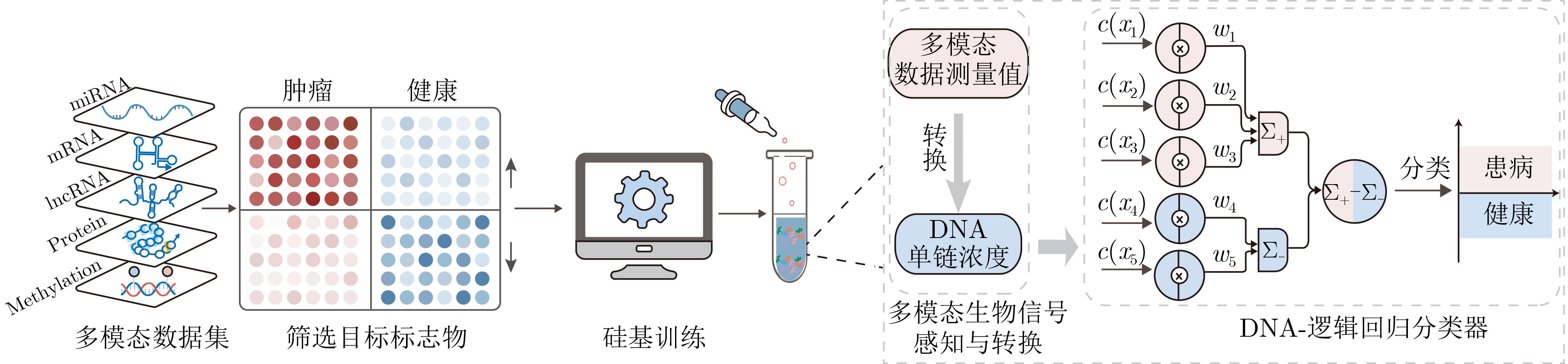
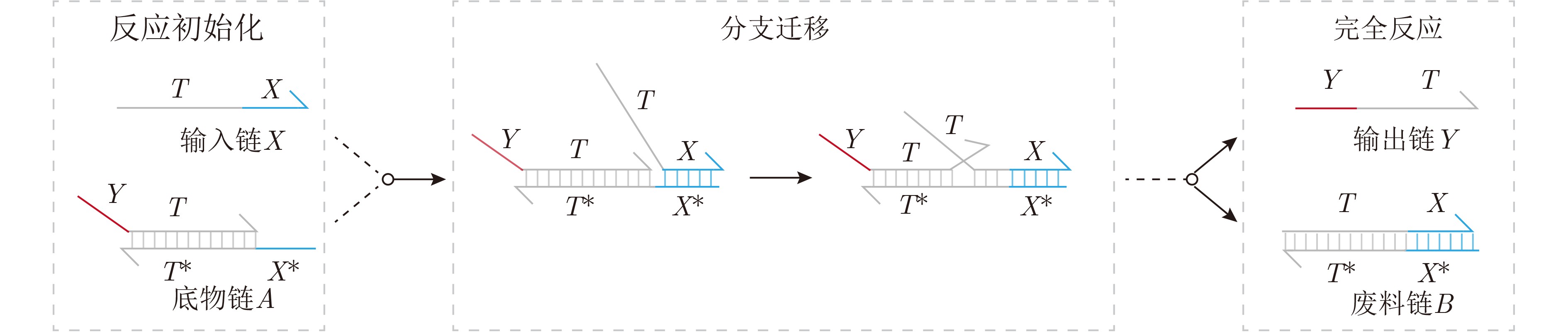
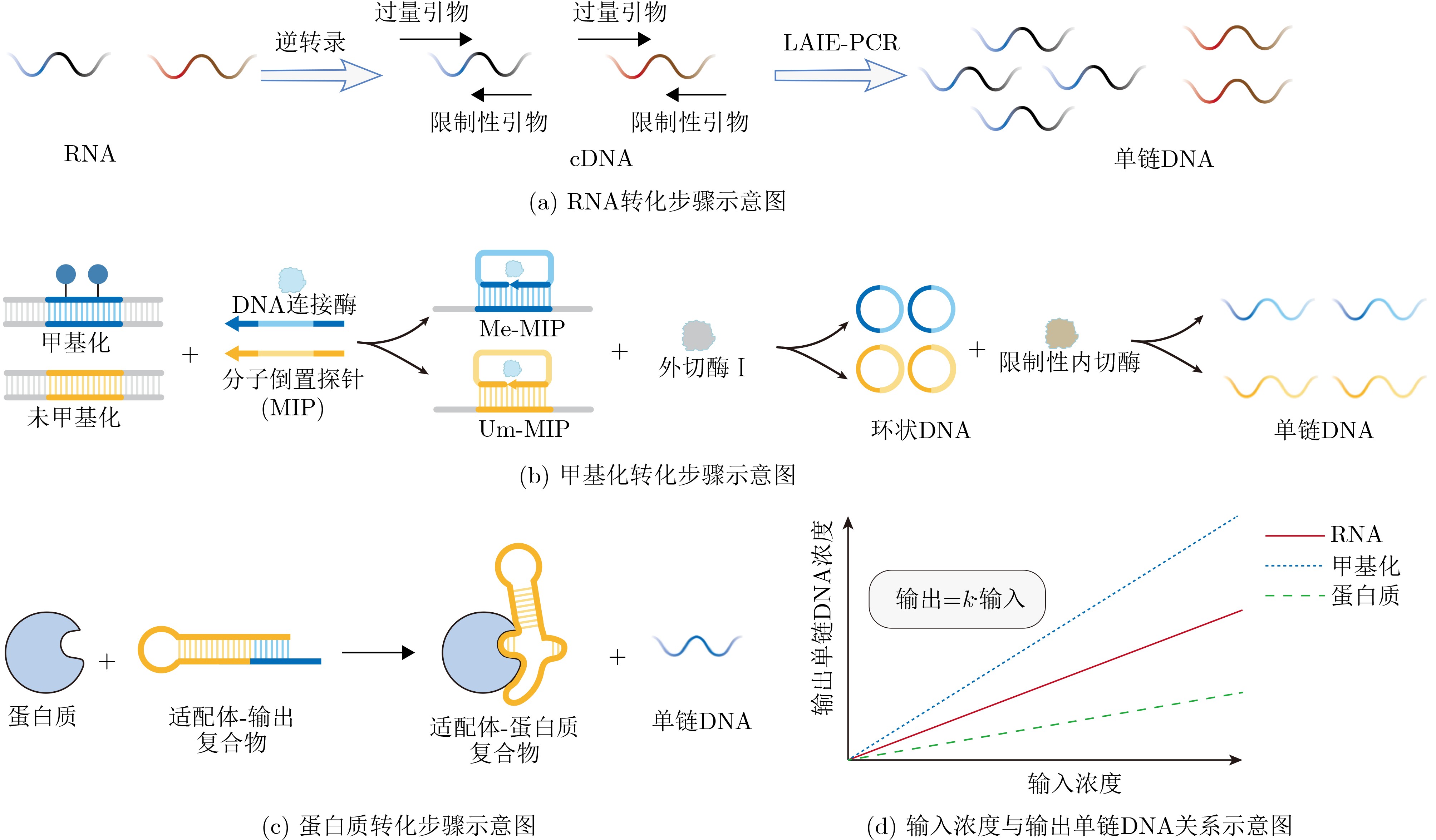
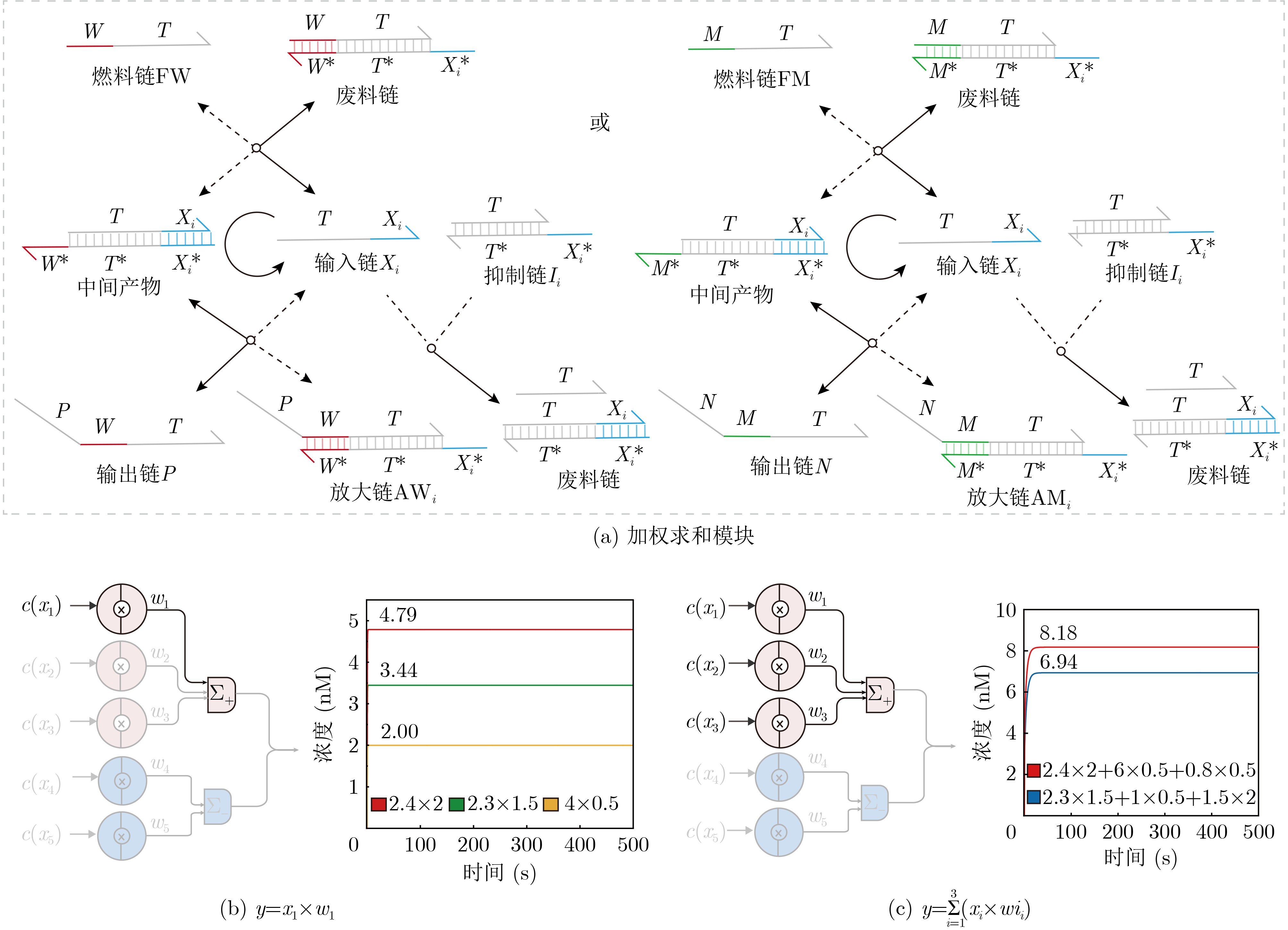
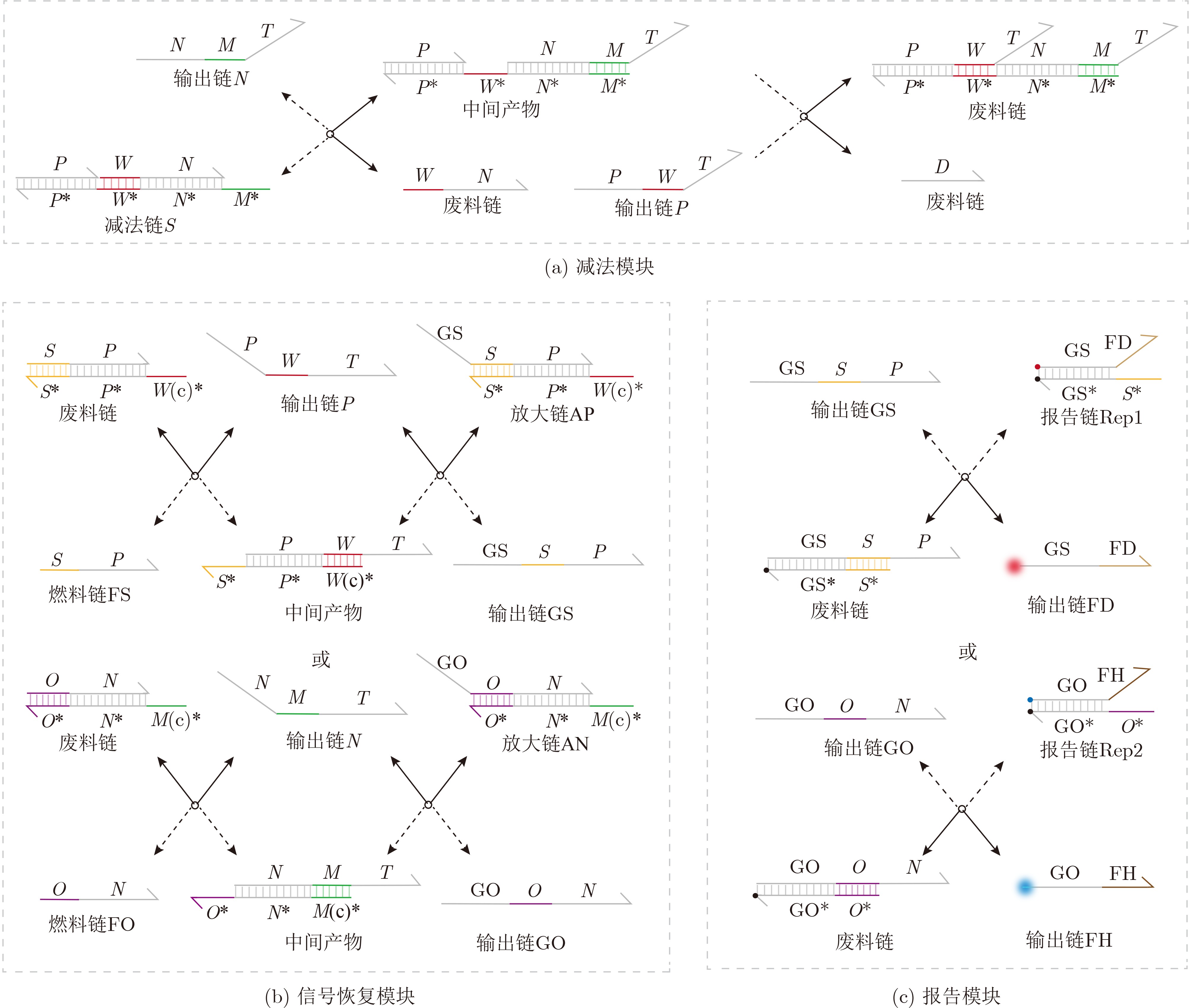
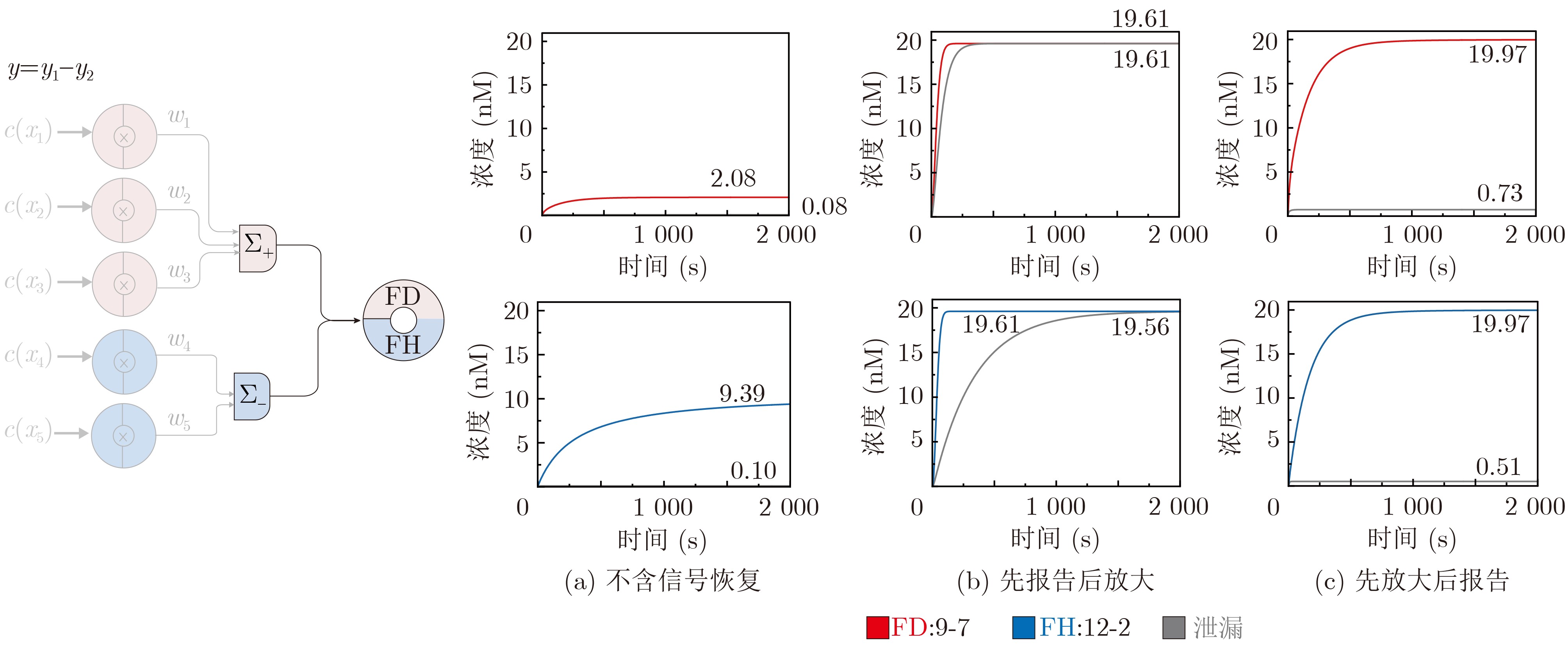
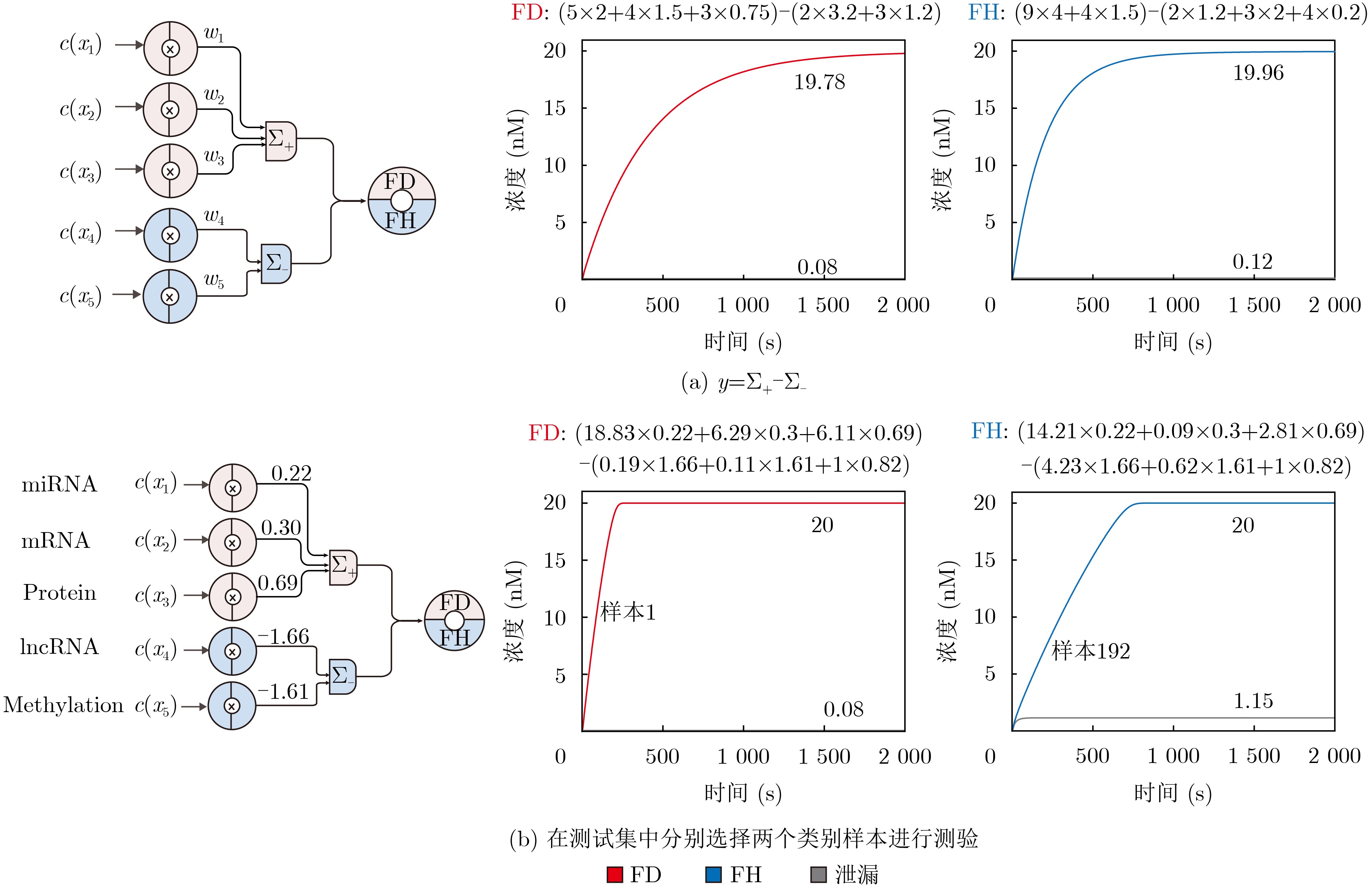
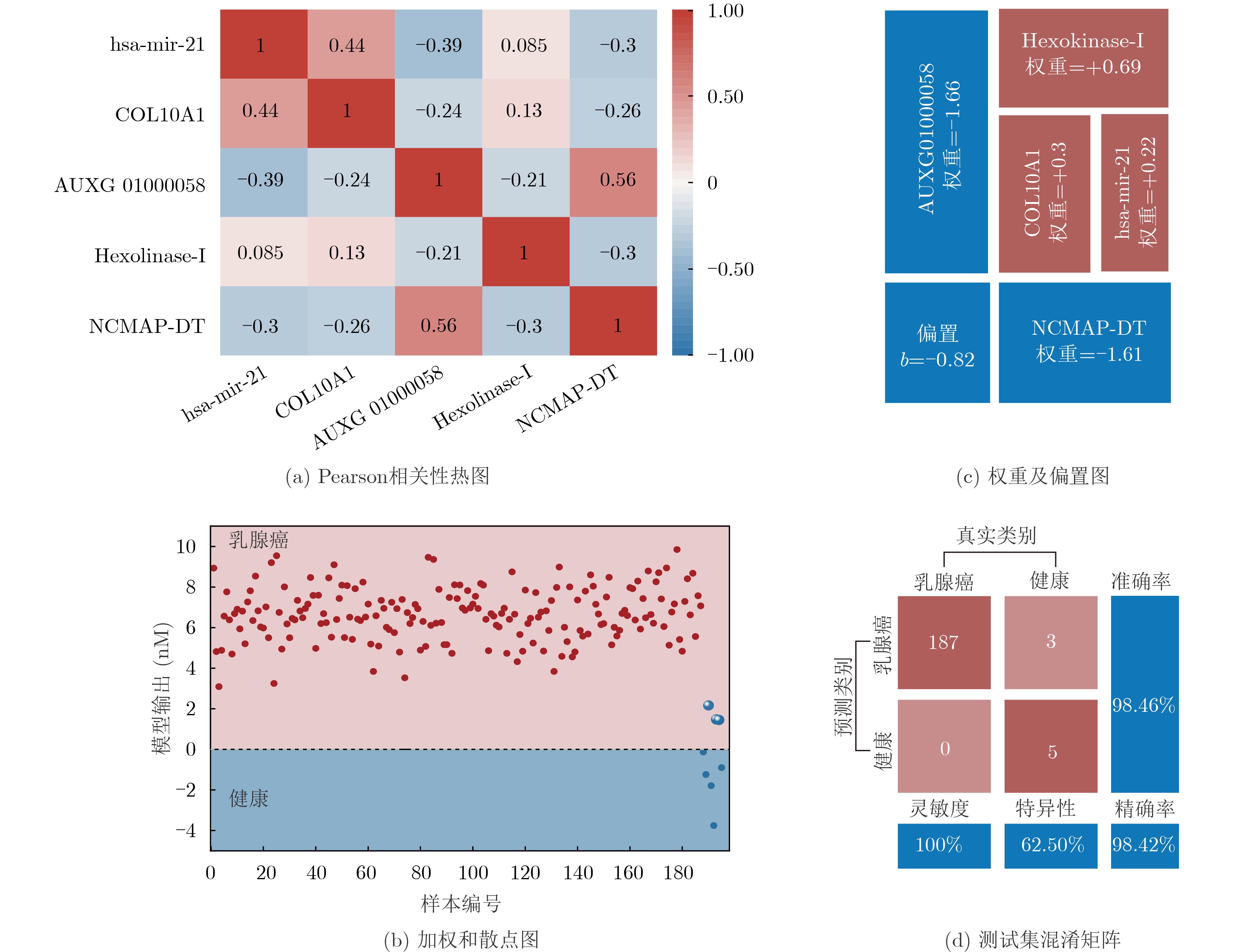
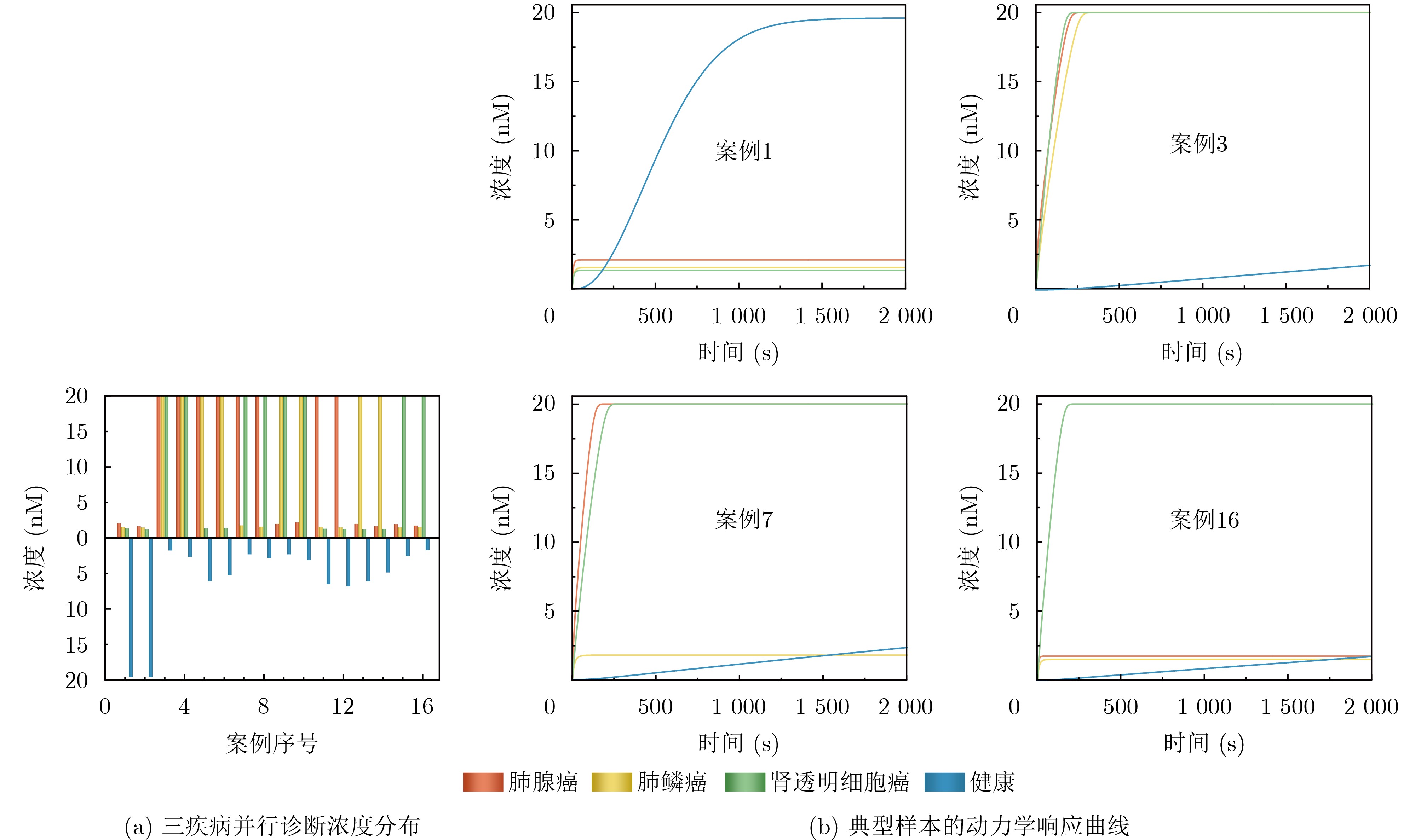
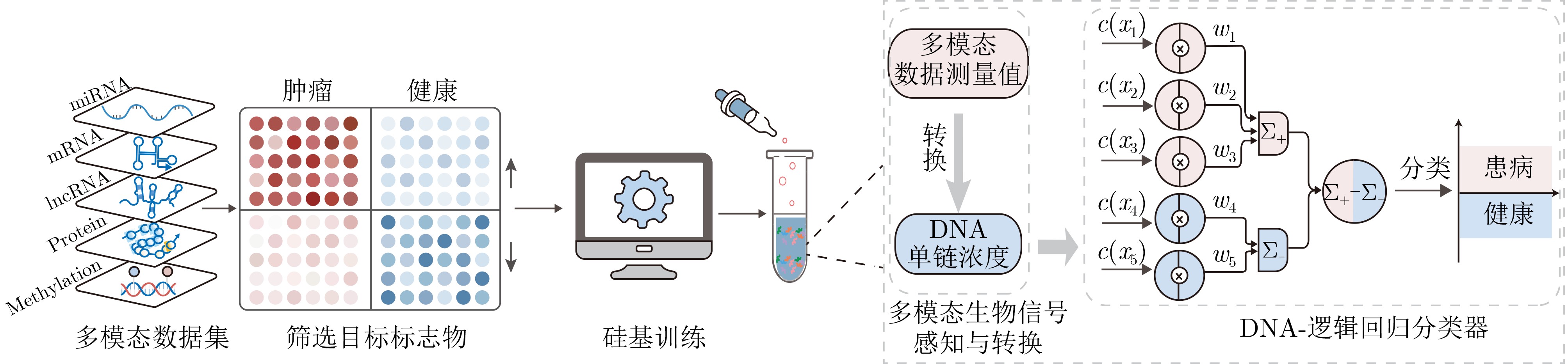
Objective Cancer remains one of the leading threats to human health worldwide, and precise and timely diagnosis is crucial for improving patient survival rates. For a long time, molecular diagnosis has relied predominantly on single-modal analysis based on microRNA (miRNA). However, single-modal analysis struggles to cope with the high heterogeneity of tumors across genetic, epigenetic, and proteomic levels and faces significant bottlenecks in sensitivity and robustness. Moreover, traditional methods for acquiring multimodal data, such as reverse transcription-polymerase chain reaction (RT-qPCR) and high-throughput sequencing, suffer from high equipment costs and long turnaround times, while silicon-based machine-learning algorithms face insufficient biocompatibility and detection delays, hindering parallel in situ computation in complex biological environments. To address these issues, this study proposes a DNA computing model based on multimodal data fusion for disease diagnosis, establishing a standardized molecular information processing framework that implements molecular-level logic judgment and classification decision-making through DNA strand displacement technology. The model is first applied to high-precision diagnosis of breast cancer and is further extended to parallel diagnostic tasks for lung adenocarcinoma, lung squamous cell carcinoma, and kidney renal clear cell carcinoma, thereby providing a biocompatible, low-power, and highly parallel technical pathway for the intelligent and in situ precision diagnosis of complex cancers. This approach not only overcomes the limitations of current molecular diagnostics but also offers a promising tool for next-generation point-of-care testing. Methods The DNA computing model is constructed through a cascaded architecture comprising five modules: multimodal signal sensing and conversion, weighted summation, subtraction, signal restoration, and reporting. First, a multimodal signal sensing and conversion module converts heterogeneous information, including miRNA, mRNA, lncRNA, proteins, and DNA methylation, into single-stranded DNA concentration signals. For nucleic acid markers, a strand displacement reaction (SDR)-based conversion mechanism ensures quantitative transformation of target molecules; for DNA methylation signals, molecular inversion probes map methylation levels into concentration parameters; and for protein markers, an aptamer-induced allosteric mechanism based on a three-way DNA junction triggers signal release. Second, a logistic regression model is trained on a silicon-based platform, and a three-layer feature selection framework (Wilcoxon rank-sum test, random forest importance evaluation, and logistic regression coefficient screening) is used to identify biomarkers, with the optimized weights and bias term mapped to the initial concentrations of substrates (i.e., amplification, inhibition, and fuel strands) in the DNA reaction network. The weighted summation module realizes feature weighting through kinetic competition of SDR, while the subtraction module performs difference operations through pairwise annihilation of triple-stranded complexes. To suppress background leakage and improve the signal-to-noise ratio, a rate gradient is constructed by differentiating toehold lengths, while a signal restoration module with kinetic compensation ensures standardized decision-signal output. Finally, the Visual DSD platform is utilized for kinetic verification of the model's performance. Results and Discussions Accurate molecular-level linear weighting is achieved by the weighted summation module based on SDR, with its output converging rapidly to the theoretical value under both single-input and multi-input conditions ( Fig.4 ). The subtraction, signal restoration, and reporting modules are also sequentially constructed based on SDR to perform core functions such as difference calculation and fluorescent signal output (Fig.5 ). Comparative analysis of cascading strategies indicates that background leakage is effectively suppressed and the system signal-to-noise ratio is improved by the "Restore-then-Report" strategy with rate gradient design based on SDR (Fig.6 ). Reliable mapping from the logistic regression model to DNA molecular circuits is verified through cascaded tests, and diseased and healthy samples are accurately discriminated (Fig.7 ). In the diagnosis of breast cancer based on multimodal data from the Cancer Genome Atlas (TCGA) database, an accuracy of 98.46% is attained by the SDR-based classifier, with a sensitivity of 100%, a specificity of 62.50%, and an F1 score of 99.20%, showing high consistency with clinical labels and silicon-based model results (Fig.8 ). When the model is further extended to parallel diagnosis of lung adenocarcinoma, lung squamous cell carcinoma, and kidney renal clear cell carcinoma based on multimodal data from the Clinical Proteomic Tumor Analysis Consortium (CPTAC) database, accuracies of 98.33%, 98.12%, and 97.62% are achieved, respectively, exhibiting excellent robustness and parallel discrimination capability (Fig.9 ).Conclusions A DNA computing model based on multimodal data fusion for disease diagnosis is successfully implemented and validated in this study. It is demonstrated that the modularly designed DNA strand displacement system is capable of accurately executing complex machine-learning algorithm logic and effectively integrating multimodal biological information, including miRNA, mRNA, lncRNA, proteins, and DNA methylation. By constructing a rate gradient and introducing a signal restoration module with kinetic compensation, the signal-to-noise ratio and decision clarity of the molecular diagnostic system are significantly enhanced in the multi-level cascade, and the attenuation of biological signals during transmission is successfully overcome. In the diagnostic tasks for breast cancer and the parallel diagnosis of multiple cancers, the system exhibits high classification accuracy and robustness, maintaining high consistency with both silicon-based models and actual clinical labels. The model possesses excellent biocompatibility and parallel processing capabilities, providing a feasible technical pathway for the development of intelligent molecular diagnostic platforms for precision cancer medicine. Moreover, its modular and scalable architecture allows easy extension to other cancer types and biomarker panels, facilitating broad clinical applicability. However, the further advancement of this field requires overcoming the molecular interface bottleneck in converting multimodal biomarkers to enhance systemic generalization. Furthermore, the limitations of linear models must be overcome by introducing nonlinear mappings or molecular neural network architectures to capture high-order feature correlations. Ultimately, the “silicon-training and molecular-execution” paradigm should be transcended by investigating molecular-level in situ learning and adaptive evolution mechanisms, thereby providing a more intelligent molecular computing pathway for in situ precision medicine and holding significant value for promoting early intelligent point-of-care testing of major diseases. -
表 1 Visual DSD仿真参数设置
配置项目 设定值 结合率k/(nM–1s–1) 0.03 解结合率u/s–1 0.1 通用toehold长度 /nt 6 截断toehold长度 /nt 4 加权求和仿真时间 /s 500 其余模块仿真时间 /s 2000  下载: 导出CSV
-
[1] GARG P, MOHANTY A, RAMISETTY S, et al. Artificial intelligence and allied subsets in early detection and preclusion of gynecological cancers[J]. Biochimica et Biophysica Acta (BBA) - Reviews on Cancer, 2023, 1878(6): 189026. doi: 10.1016/j.bbcan.2023.189026. [2] SWANSON K, WU E, ZHANG A, et al. From patterns to patients: Advances in clinical machine learning for cancer diagnosis, prognosis, and treatment[J]. Cell, 2023, 186(8): 1772–1791. doi: 10.1016/j.cell.2023.01.035. [3] 周维新, 高肇岗, 肖宛昂. 面向可穿戴式的基于LSTM神经网络的智能心音异常诊断芯片[J]. 电子与信息学报, 2024, 46(2): 555–563. doi: 10.11999/JEIT230934.ZHOU Weixin, GAO Zhaogang, and XIAO Wan’ang. Intelligent heart sound abnormal diagnosis chip based on LSTM for wearable applications[J]. Journal of Electronics & Information Technology, 2024, 46(2): 555–563. doi: 10.11999/JEIT230934. [4] LIU Chao, ZHAO Junxiang, TIAN Fei, et al. Low-cost thermophoretic profiling of extracellular-vesicle surface proteins for the early detection and classification of cancers[J]. Nature Biomedical Engineering, 2019, 3(3): 183–193. doi: 10.1038/s41551-018-0343-6. [5] JIA Sisi, LV Hui, LI Qian, et al. DNA-based biocomputing circuits and their biomedical applications[J]. Nature Reviews Bioengineering, 2025, 3(7): 535–548. doi: 10.1038/s44222-025-00303-8. [6] ZHANG Linghao, YANG Huixiao, YAN Yumin, et al. A multi-input molecular classifier based on digital DNA strand displacement for disease diagnostics[J]. Advanced Materials, 2025, 37(10): 2413198. doi: 10.1002/adma.202413198. [7] FENG Tong, ZHANG Li, WANG Ding, et al. Logical analysis of multiple miRNAs with isothermal molecular classifiers based on LATE-RCA[J]. Nano Letters, 2025, 25(6): 2576–2585. doi: 10.1021/acs.nanolett.5c00089. [8] ZHANG Chao, ZHAO Yumeng, XU Xuemei, et al. Cancer diagnosis with DNA molecular computation[J]. Nature Nanotechnology, 2020, 15(8): 709–715. doi: 10.1038/s41565-020-0699-0. [9] KIRIAN R D, STEINMAN D, JEWELL C M, et al. Extracellular vesicles as carriers of mRNA: Opportunities and challenges in diagnosis and treatment[J]. Theranostics, 2024, 14(5): 2265–2289. doi: 10.7150/thno.93115. [10] CHEN Lingling and KIM V N. Small and long non-coding RNAs: Past, present, and future[J]. Cell, 2024, 187(23): 6451–6485. doi: 10.1016/j.cell.2024.10.024. [11] 马昕茜, 倪文涛. 整合血浆蛋白质组与全基因组关联研究鉴定呼吸系统疾病新型药物靶标[J]. 电子与信息学报, 2026, 48(3): 936–946. doi: 10.11999/JEIT250796.MA Xinqian and NI Wentao. Identification of novel protein drug targets for respiratory diseases by integrating human plasma proteome with genome[J]. Journal of Electronics & Information Technology, 2026, 48(3): 936–946. doi: 10.11999/JEIT250796. [12] ZHANG Huaming, LIU Lei, and LI Min. Mini-review of DNA methylation detection techniques and their potential applications in disease diagnosis, prognosis, and treatment[J]. ACS Sensors, 2024, 9(3): 1089–1103. doi: 10.1021/acssensors.3c02328. [13] 周涛, 叶鑫宇, 刘凤珍, 等. 利用跨模态轻量级YOLOv5模型的PET/CT肺部肿瘤检测[J]. 电子与信息学报, 2024, 46(2): 624–632. doi: 10.11999/JEIT230052.ZHOU Tao, YE Xinyu, LIU Fengzhen, et al. CL-YOLOv5: PET/CT lung cancer detection with cross-modal lightweight YOLOv5 model[J]. Journal of Electronics & Information Technology, 2024, 46(2): 624–632. doi: 10.11999/JEIT230052. [14] 朱予涵, 刘博文, 黄兴, 等. 完全可编程阀门阵列生物芯片下容错导向的高阶综合算法[J]. 电子与信息学报, 2024, 46(11): 4141–4150. doi: 10.11999/JEIT240049.ZHU Yuhan, LIU Bowen, HUANG Xing, et al. Fault-tolerance-oriented high-level synthesis algorithm for fully programmable valve array biochips[J]. Journal of Electronics & Information Technology, 2024, 46(11): 4141–4150. doi: 10.11999/JEIT240049. [15] SHI Qien, LV Hui, WANG Fei, et al. Machine learning-driven molecular engineering of nucleic acids[J]. Chemical Society Reviews, 2026, 55(7): 3810–3833. doi: 10.1039/d5cS01091h. [16] BOCK C, WALTER J E, RIECK B, et al. Enhancing the diagnosis of functionally relevant coronary artery disease with machine learning[J]. Nature Communications, 2024, 15(1): 5034. doi: 10.1038/s41467-024-49390-y. [17] ZASLAVSKY M E, CRAIG E, MICHUDA J K, et al. Disease diagnostics using machine learning of B cell and T cell receptor sequences[J]. Science, 2025, 387(6736): eadp2407. doi: 10.1126/science.adp2407. [18] TANG Zhen, CHEN Chunlin, LI Shiyin, et al. Constructing DNA full adder circuit based on the simple and efficient AND logic blocks[J]. Chinese Journal of Electronics, 2025, 34(4): 1044–1051. doi: 10.23919/cje.2024.00.234. [19] CHEN Chunlin, YIN Zhixiang, LI Shiyin, et al. Nonlinear classifiers based on DNA logic circuits for cancer diagnosis[J]. ACS Synthetic Biology, 2025, 14(6): 2208–2218. doi: 10.1021/acssynbio.5c00129. [20] 王政, 王磊, 尤著宏, 等. 面向环状RNA-疾病关联预测的物态分析优化算法[J]. 电子学报, 2025, 53(9): 3103–3116. doi: 10.12263/DZXB.20250436.WANG Zheng, WANG Lei, YOU Zhuhong, et al. Optimization algorithm for state analysis of circRNA-disease association prediction[J]. Acta Electronica Sinica, 2025, 53(9): 3103–3116. doi: 10.12263/DZXB.20250436. [21] YANG Shuo, BÖGELS B W A, WANG Fei, et al. DNA as a universal chemical substrate for computing and data storage[J]. Nature Reviews Chemistry, 2024, 8(3): 179–194. doi: 10.1038/s41570-024-00576-4. [22] 王君珂, 印珏, 牛人杰, 等. DNA计算与DNA纳米技术[J]. 电子与信息学报, 2020, 42(6): 1313–1325. doi: 10.11999/JEIT190826.WANG Junke, YIN Jue, NIU Renjie, et al. DNA computing and DNA nanotechnology[J]. Journal of Electronics & Information Technology, 2020, 42(6): 1313–1325. doi: 10.11999/JEIT190826. [23] 侯晓玲, 田卓立, 王建榜, 等. 基于DNA折纸订书钉链折叠的信息加密策略[J]. 电子与信息学报, 2024, 46(9): 3771–3776. doi: 10.11999/JEIT231434.HOU Xiaoling, TIAN Zhuoli, WANG Jianbang, et al. A DNA origami cryptography scheme based on staple folding[J]. Journal of Electronics & Information Technology, 2024, 46(9): 3771–3776. doi: 10.11999/JEIT231434. [24] 宋璐, 李敏, 左小磊. 核酸信息材料研究进展[J]. 中国科学基金, 2025, 39(3): 419–431. doi: 10.3724/BNSFC-2025.02.19.0002.SONG Lu, LI Min, and ZUO Xiaolei. Research progress on nucleic acid information material[J]. Bulletin of National Natural Science Foundation of China, 2025, 39(3): 419–431. doi: 10.3724/BNSFC-2025.02.19.0002. [25] LV Hui, XIE Nuli, LI Mingqiang, et al. DNA-based programmable gate arrays for general-purpose DNA computing[J]. Nature, 2023, 622(7982): 292–300. doi: 10.1038/s41586-023-06484-9. [26] LOPEZ R, WANG Ruofan, and SEELIG G. A molecular multi-gene classifier for disease diagnostics[J]. Nature Chemistry, 2018, 10(7): 746–754. doi: 10.1038/s41557-018-0056-1. [27] GONG Xue, WEI Jie, LIU Jing, et al. Programmable intracellular DNA biocomputing circuits for reliable cell recognitions[J]. Chemical Science, 2019, 10(10): 2989–2997. doi: 10.1039/c8sc05217d. [28] YANG Qiqi, YANG Fan, DAI Wenhao, et al. DNA logic circuits for multiple tumor cells identification using intracellular microRNA molecular bispecific recognition[J]. Advanced Healthcare Materials, 2021, 10(21): 2101130. doi: 10.1002/adhm.202101130. [29] YIN Fangfei, ZHAO Haipei, LU Shasha, et al. DNA-framework-based multidimensional molecular classifiers for cancer diagnosis[J]. Nature Nanotechnology, 2023, 18(6): 677–686. doi: 10.1038/s41565-023-01348-9. [30] ZHANG D Y and WINFREE E. Control of DNA strand displacement kinetics using toehold exchange[J]. Journal of the American Chemical Society, 2009, 131(47): 17303–17314. doi: 10.1021/ja906987s. [31] PHILLIPS A and CARDELLI L. A programming language for composable DNA circuits[J]. Journal of the Royal Society Interface, 2009, 6(S4): S419–S436. doi: 10.1098/rsif.2009.0072.focus. [32] SRINIVAS N, OULDRIDGE T E, ŠULC P, et al. On the biophysics and kinetics of toehold-mediated DNA strand displacement[J]. Nucleic Acids Research, 2013, 41(22): 10641–10658. doi: 10.1093/nar/gkt801. [33] YANG Yunben, LV Wenyi, SHAO Yongfu, et al. Circular RNA-based molecular computation enhances plasma biomarker detection in biliary tract cancer[J]. Angewandte Chemie International Edition, 2025, 64(26): e202505289. doi: 10.1002/anie.202505289. [34] LIU Junlan, TANG Qian, HAN Yongqi, et al. Interpretable molecular decision-making with DNA-based scalable and memory-efficient tree computation[J]. Nature Communications, 2025, 16(1): 10311. doi: 10.1038/s41467-025-66610-1. [35] ZHU Jinbo, ZHANG Libing, ZHOU Zhixue, et al. Aptamer-based sensing platform using three-way DNA junction-driven strand displacement and its application in DNA logic circuit[J]. Analytical Chemistry, 2014, 86(1): 312–316. doi: 10.1021/ac403235y. [36] TANG Zhen, E Hongxu, CHEN Chunlin, et al. The DNA-based disease diagnosis model with strand displacement reaction[J]. IEEE Transactions on Computational Biology and Bioinformatics, 2026, 23(3): 1172–1185. doi: 10.1109/TCBBIO.2026.3671276. [37] CHERRY K M and QIAN Lulu. Supervised learning in DNA neural networks[J]. Nature, 2025, 645(8081): 639–647. doi: 10.1038/s41586-025-09479-w. -

 下载:

图(9) / 表(1)
计量
- 文章访问数: 21
- HTML全文浏览量: 3
- PDF下载量: 0
- 被引次数: 0
